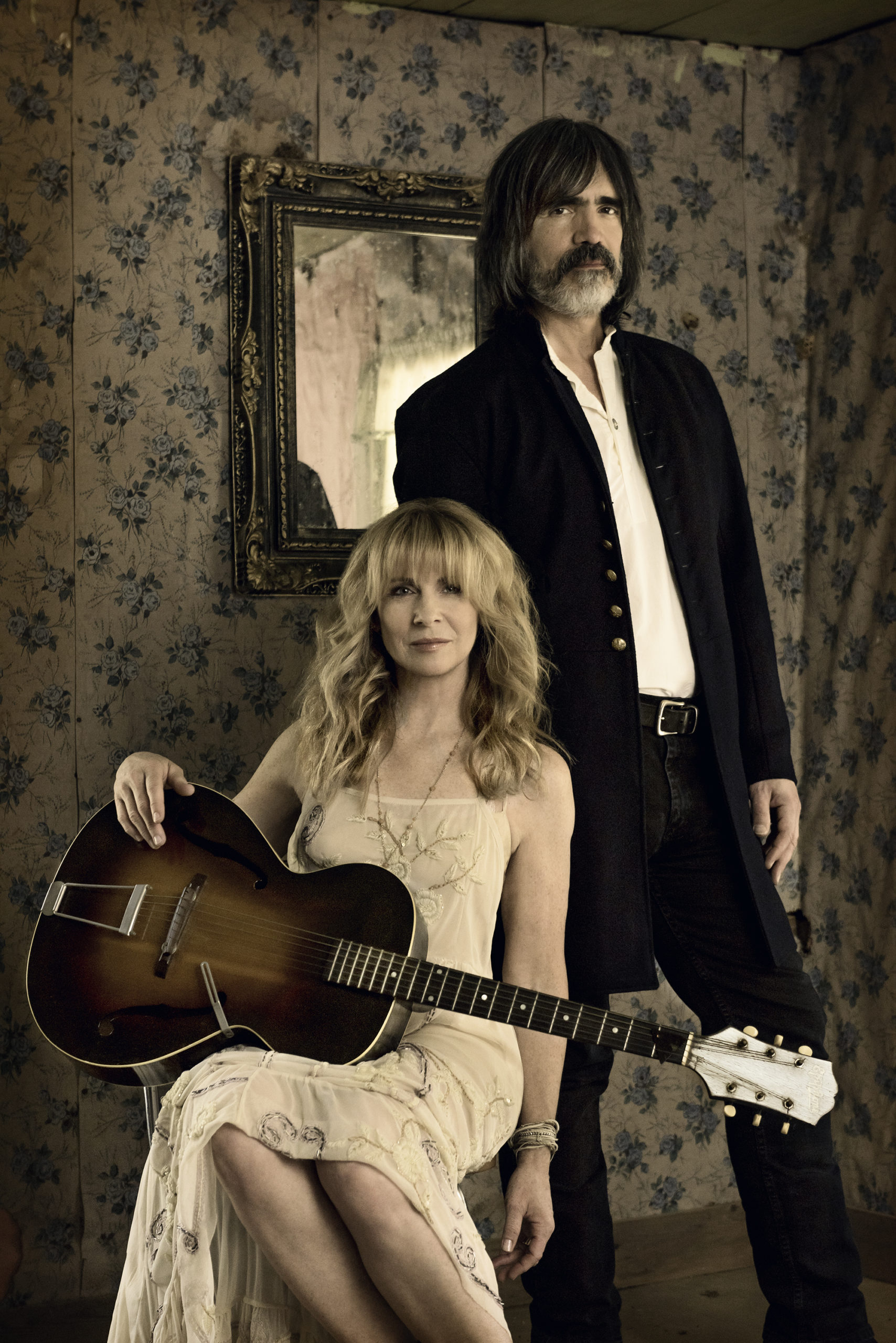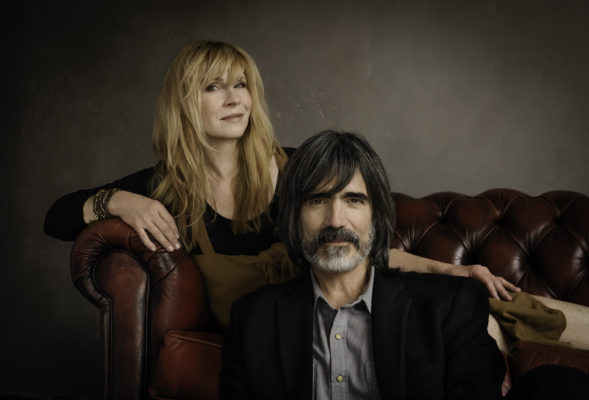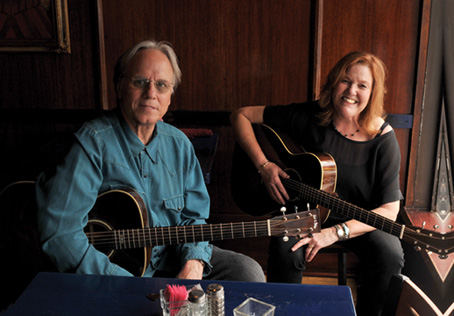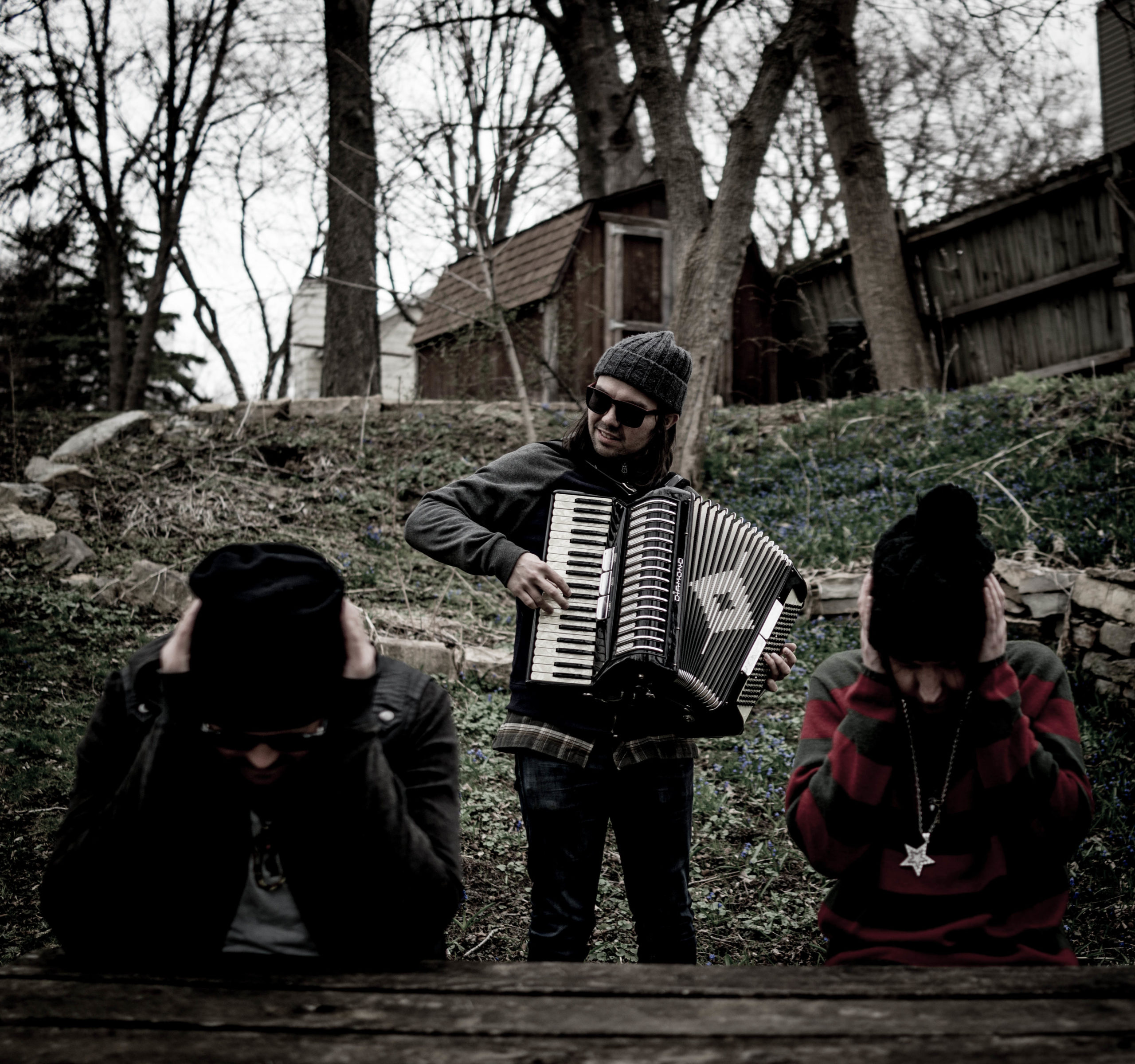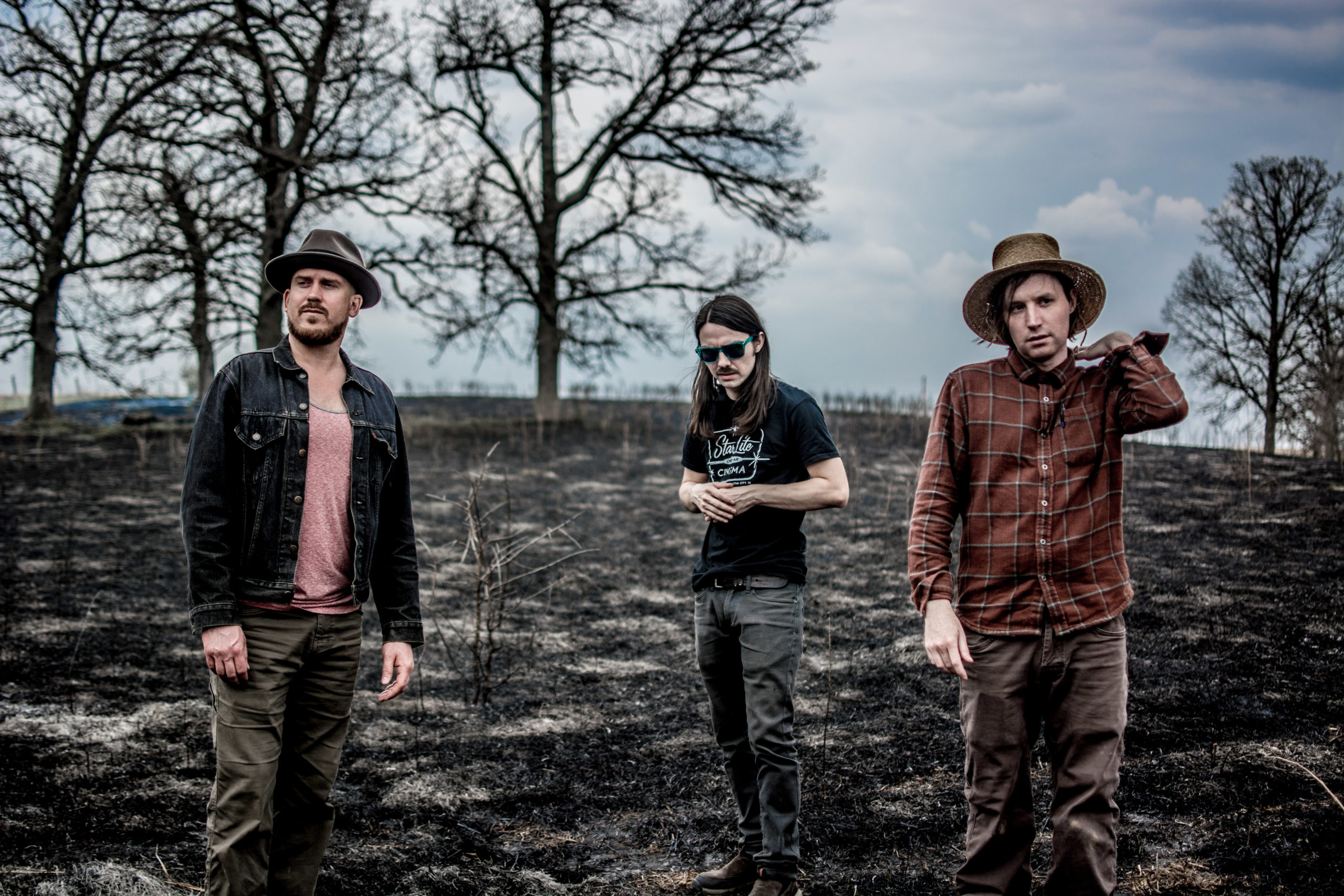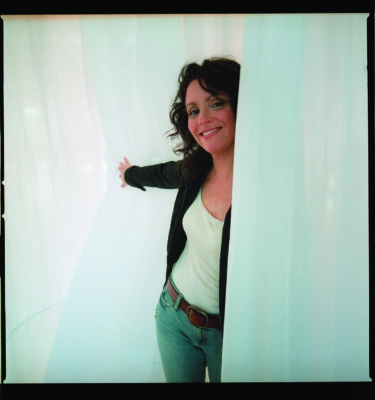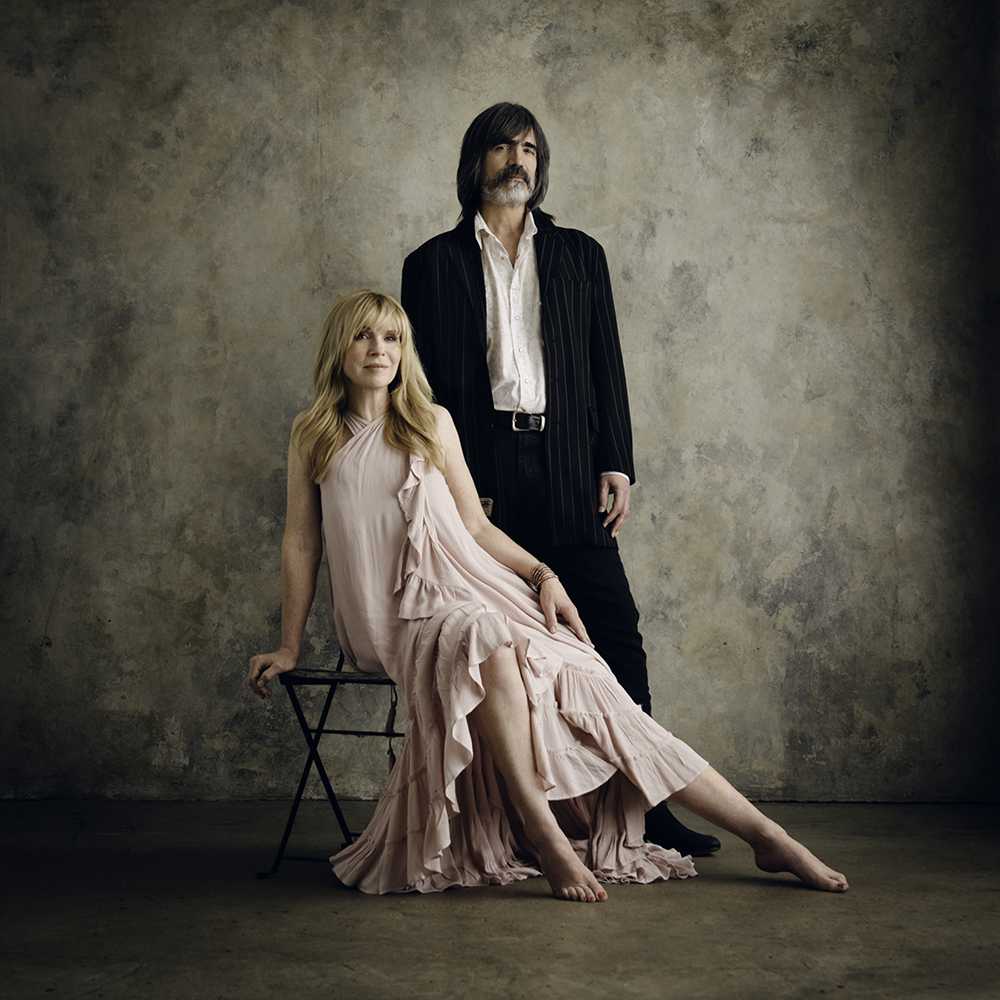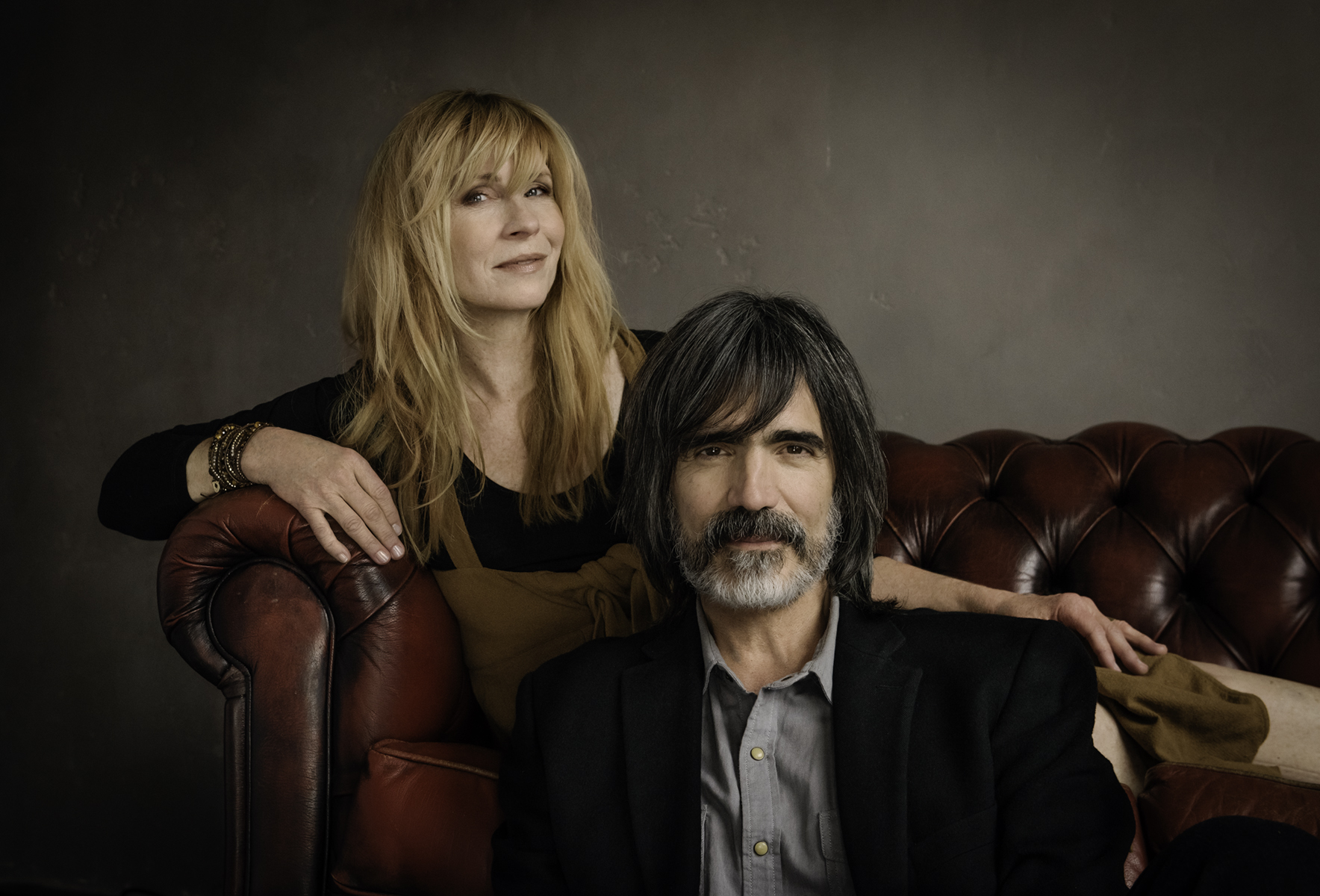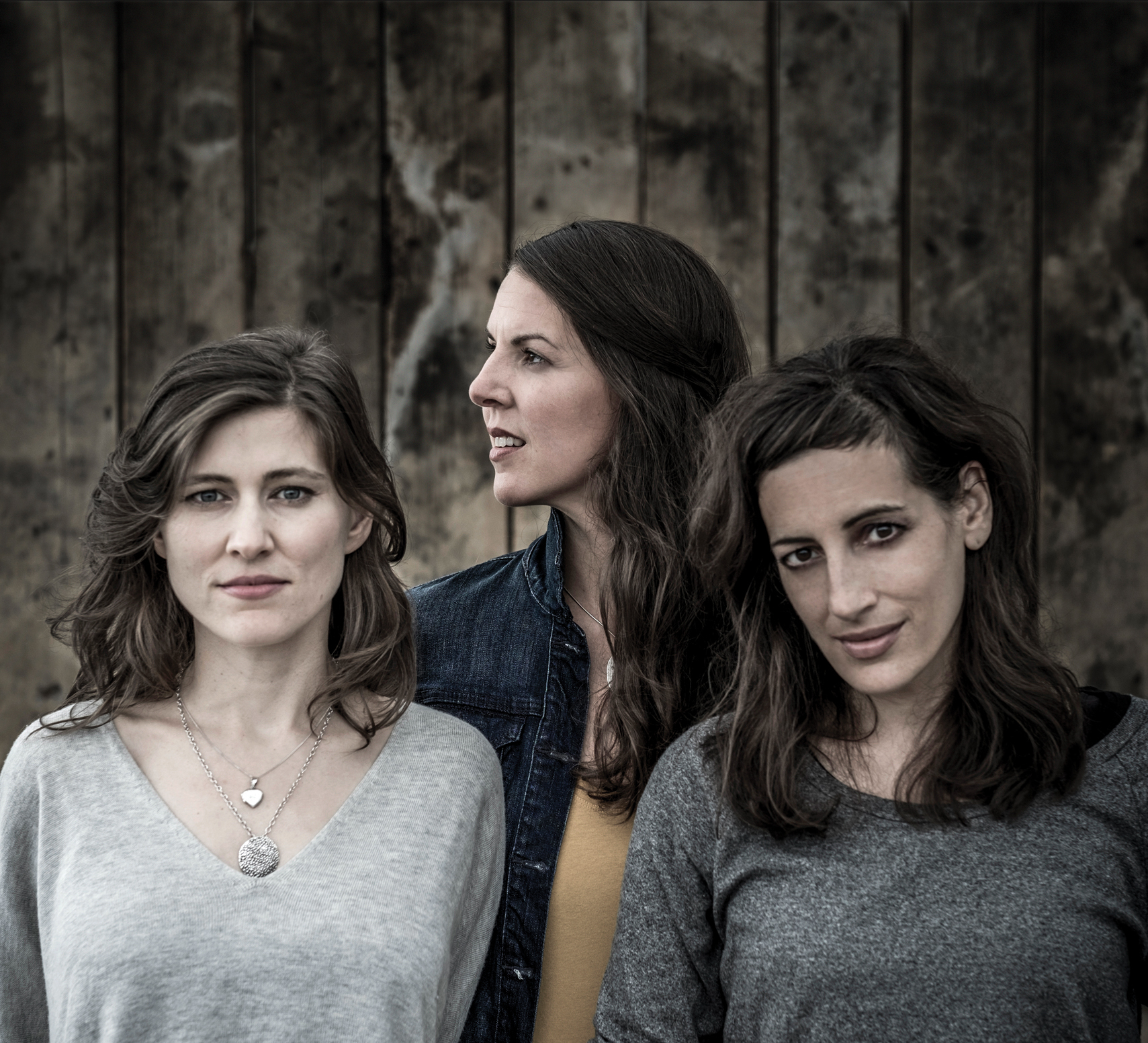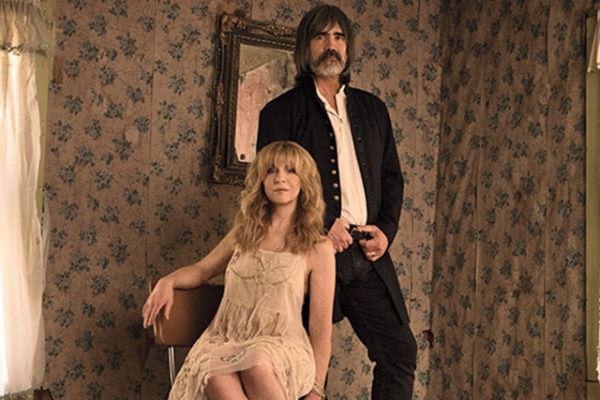
Multi-instrumentalist-singer-songwriter Larry Campbell and singer-guitarist Teresa Williams’ acclaimed eponymous 2015 debut, released after seven years of playing in Levon Helm’s band – and frequent guesting with Phil Lesh, Little Feat, Jorma Kaukonen and Jack Casady, brought to the stage the crackling creative energy of a decades-long offstage union. A whirlwind of touring and promo followed, and when the dust cleared, the duo was ready to do it all again. Which brings us to Contraband Love, a riskier slice of Americana.
Larry, who produced Contraband Love, says, “I wanted this record to be a progression, bigger than the first one. That’s all I knew. I wanted the songwriting to be deeper, the arrangements more interesting, the performances more dynamic. Specifically how to get there, I didn’t know. I did know the songs were different. The subject matter was darker than anything else I’ve written.”
“More painful!” Teresa says, and laughs. “Yeah,” Larry says with a smile. “I’m proud of our debut, but I felt like the songs were lighter than what I’m capable of doing. As a songwriter, I aspire to a sense of uniqueness: this is a great song and it could only have been written by me. I want to get there. It’s a journey, a goal, a pursuit. The mechanics of that pursuit are figuring out what you need to do to surpass your last body of work.”
Although it was not his conscious intent, three of the eight tunes Campbell penned for Contraband Love deal either obliquely or directly with various emotions surrounding addiction. For the blues rocking “Three Days in A Row,” he authoritatively delves into the crucial first seventy-two hours directly following an addict going cold turkey in an effort to get clean. “I was thinking about the things I’ve quit in my life,” he says. “The last time was cigarettes. I remembered the dreams I had in withdrawal.” Vintage-sounding country nugget “Save Me from Myself” (featuring Little Feat’s Bill Payne on piano) explores a troubled soul’s heartrending knowledge that they are hard to love. “I’ve certainly felt both sides of that situation,” Larry says, “and observed it many times.” Delicate waltz “Contraband Love,” a captivating vocal showcase for Teresa, takes on the other side of the story, when a parent (or spouse, or friend, etc.) realizes their only recourse for dealing with an addict is merely to stand “with arms wide open.” Of this remarkable piece, Larry says, “That melody would not leave me alone. It’s one of the more unique songs I’ve ever written.”
“Larry’s writing this stuff,” Teresa says, “and we’re naming off all the people in our lives who are currently going through this (addiction and loss) with a loved one, not to mention the family members and friends we’ve lost in the past from this affliction. That may have driven him. One of my oldest, most intimate friends – a functioning substance abuser since he was a teenager – died on the street in New York while we were in the studio. We dedicated the album to him.”
“The stuff of loss resonates,” Larry says.
Musically, Contraband Love revisits the Americana textures of the duo’s debut, deftly channeling Memphis, Chicago, the Delta, and Appalachia with equal assurance. Larry’s world-famous guitar work – scorching here, funky there, stellar always – punctuates the proceedings with riveting emotion, often like a third voice weighing in on a myriad of emotional states.
The barnburner leadoff single, “Hit and Run Driver,” is a harrowing-but-rocking survivor’s tale, showcasing longtime drummer and engineer/mixer Justin Guip.
To leaven out the darker tunes, Larry and Teresa added a recording of the reassuring Carl Perkins country classic “Turn Around,” with old friend and mentor Levon Helm, captured on drums shortly before his passing. Jaunty folk blues “My Sweetie Went Away,” features new bass player Jesse Murphy doubling on tuba for a distinctly New Orleans feel; traditional gutbucket country blues “Delta Slide,” is spiced with irresistible, harmonized yodeling.
“Stylistically, there’s a lot of different things going on,” Larry says. “So the sequencing was difficult. But I think I got it right.”
Indeed. Contraband Love stands as a new, bolder chapter in a story that arose triumphantly joyous from loss. “When Levon died,” Teresa says, “that put Larry into high gear. He’d already had his head set about making a record, but then it felt like a train took off! We just said, ‘life is short.’”
Another motivator for creating Contraband Love was the experience of taking the Larry Campbell and Teresa Williams show out on the road, as a duo, with a band, and opening for Jackson Browne (who loaned them his band). “It felt fabulous and fantastic,” Larry says. “After I met Teresa (in the mid 80s), I’d be out with Bob Dylan [Larry toured with the Nobel laureate for eight years] and something was missing. I gotta gig, and it’s what I always wanted, but it’s not my stuff, and it’s not with the person I want to be with. And then, when we got a taste of being a performing duo at the Rambles with Levon, the idea that we could expand on that was completely alluring.
“So virtually everything we’ve done musically since I left Dylan’s band, we’ve been asked to do together: Levon, Phil and Friends, Jorma and Jack, Little Feat; we’ve done it all as a unit, a duo, and it’s great. It’s rewarding on a lot of levels. The way I see it, when Teresa and I are together, doing our material for people who come to see us, then everything I ever wanted out of life is pretty well complete.”
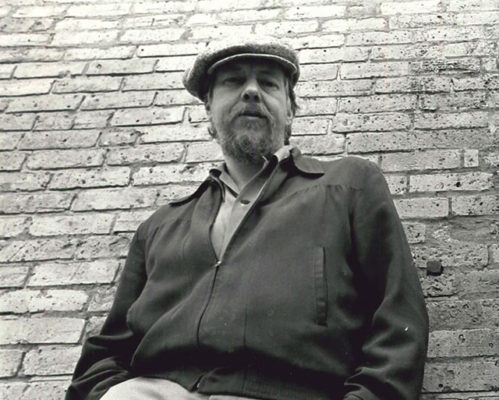
Dave “Snaker” Ray. One of the first white artists to study and learn the then little-known blues tunes from the 20s, 30s and 40s and part of the Minneapolis folk and blues revival that spawned Bob Dylan. Ray brought an enthusiasm and raw, raunchy earthiness to his performance style which set the stage for artists that followed.
The 55 tracks included span his early career in the 1960s starting in Minneapolis, MN’s West Bank neighborhood with “Spider” John Koerner and Tony Glover (Koerner, Ray & Glover) through his subsequent collaborations, solo albums, untimely death on Thanksgiving, 2002.
Koerner, Ray & Glover’s recordings were enormously influential among their fellow musicians, with artists from David Bowie and John Lennon to Bonnie Raitt, Lucinda Williams and Beck citing them as an influence.
Along with live recordings and rarities, Legacy includes selections from out-of-print recordings including “Ashes in My Whiskey” (Rough Trade) and “One Foot in the Groove” (Tim /Kerr Records). Unless noted, the tracks on Legacy are previously unreleased and include performances taken from a wide variety of mediums including reel-to-reel analog tapes, old sound board mix cassettes and live broadcasts.
Ain’t somebody gonna tell me what I’m doing here?
Ain’t somebody gonna tell me where I’m going?
Ain’t somebody gonna spend a blank minute on me
And pray for an old hobo who’s gone wrong?
– “Hobo”
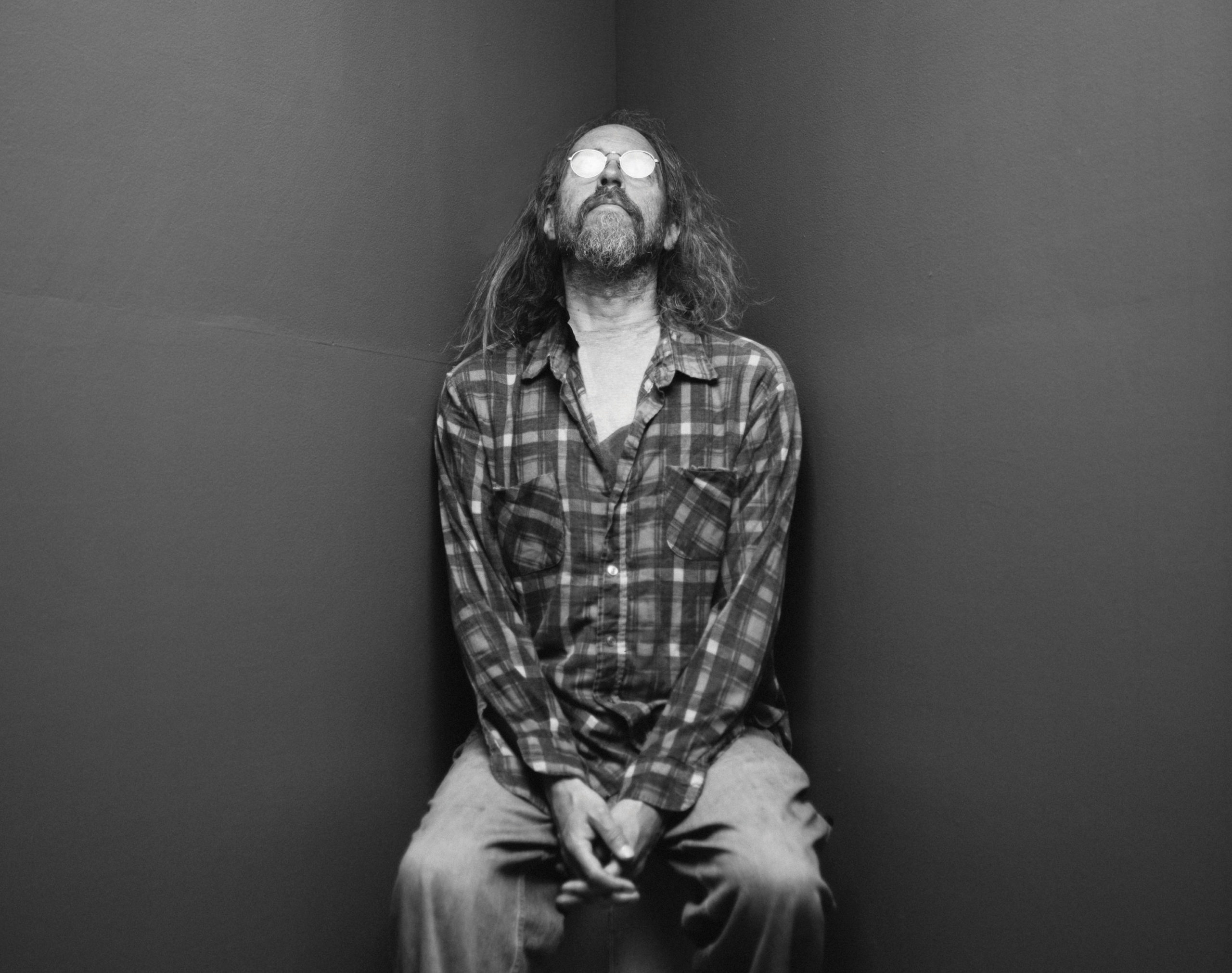
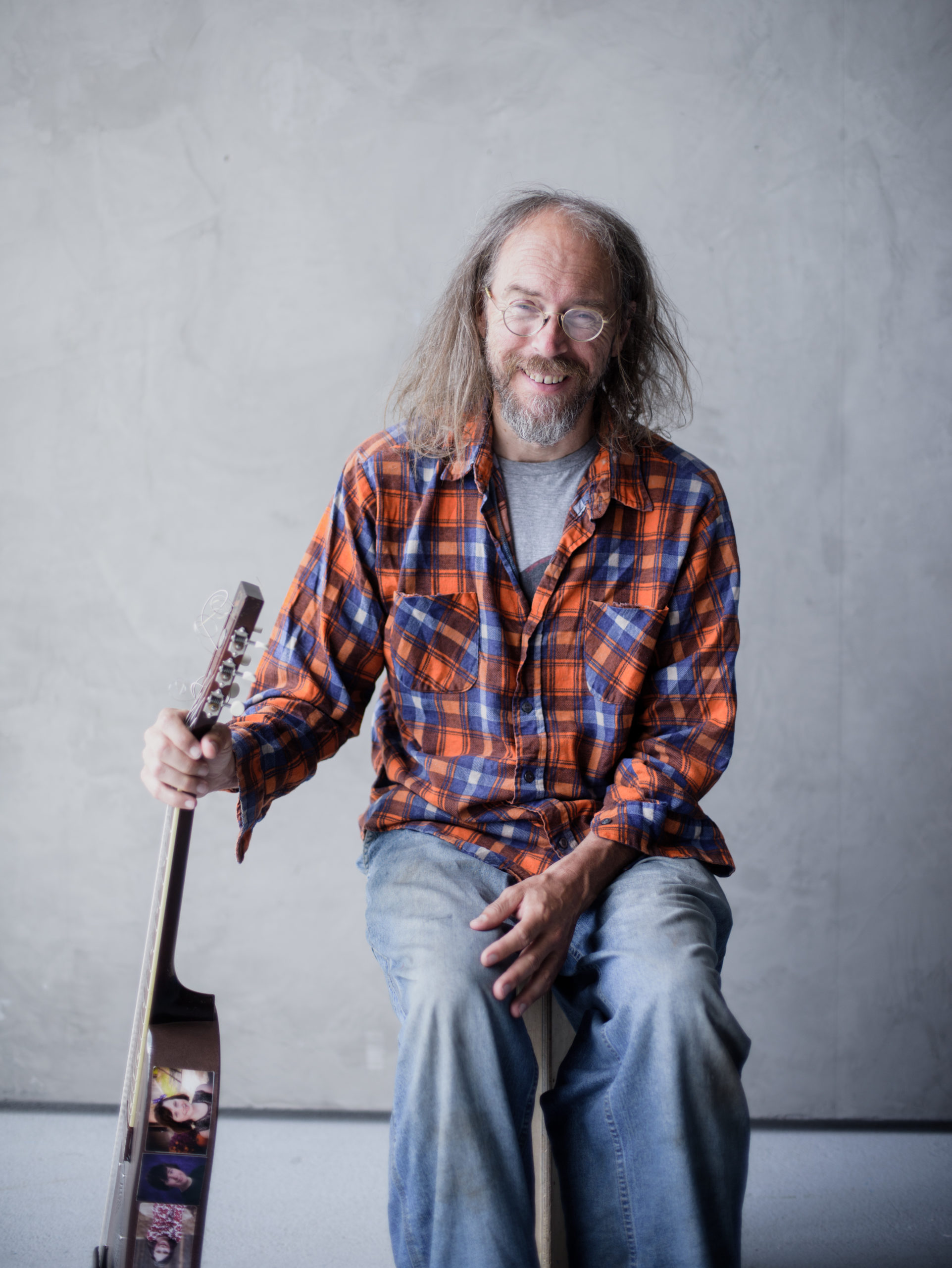
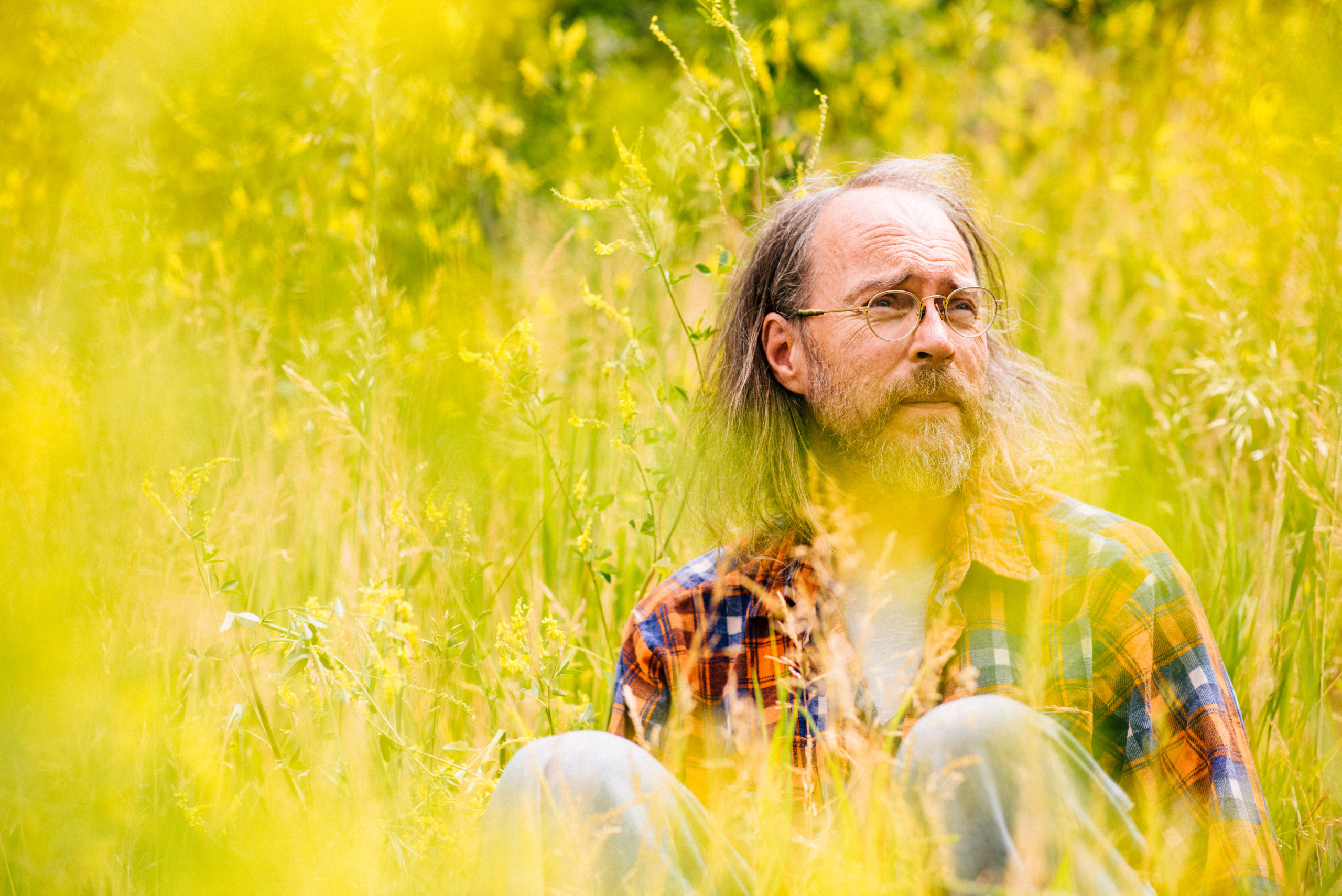
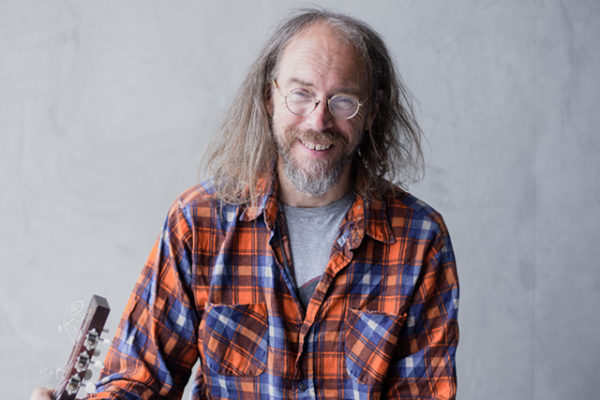
Fans who have been following Charlie Parr through his previous 13 full-length albums and decades of nonstop touring already know that the Duluth-based songwriter has a way of carving a path straight to the gut. On his newest record, Dog, however, he seems to be digging deeper and hitting those nerves quicker than ever before.
“I want my son to have this when I’m gone,” Charlie sings not 10 seconds into the opening song on Dog, “Hobo.” His voice sounds weary but insistent, his accompaniment sparse and sorrowful. By the second line, the listener has no choice but to be transported on a journey through the burrows of his troubled mind, following him through shadowy twists and turns as he searches for a way out.
It turns out Charlie’s been grappling with quite a bit over these past few years. As he prepares to release his new album on Red House Records this fall, he’s just as candid about discussing his experiences in person as he is while singing on the heat-rending Dog.
“I had some really, really bad depression problems over the last couple years,” Charlie explains. “I’ve been trying to get fit, trying not to drink so much, trying not to do the rock ‘n’ roll guy thing. And then I got depressed. Really depressed. And to me, depression feels like there’s me, and then there’s this kind of hazy fog of rancid jello all around me, that you can’t feel your way out of. And then there’s this really, really horrible third thing, this impulsive thing, that doesn’t feel like it’s me or my depression. It feels like it’s coming from outside somewhere. And it’s the thing that comes on you all of a sudden, and it’s the voice of suicide, it’s the voice of ‘quit.’”
“These songs have all kind of come out of that. Especially songs like ‘Salt Water’ and ‘Dog,’ they really came heavily out of just being depressed, and having to say something about it.”
Sometimes I’m alright
Other times it’s hard to tell
“Like finding light in the bottom of the darkest well
— “Sometimes I’m Alright”
In the album’s quieter moments, Charlie confronts these issues head-on, using only an acoustic guitar or banjo to light the way. But the incredible thing about Dog is that it digs into dark matter and contemplates serious topics like mental illness and mortality while embracing a pulse of persistence and forward motion; throughout the album, more and more musicians seem to be joining in the fray as the tempo builds, keeping the overall vibe upbeat.
“I was going to do it completely solo,” Charlie says. “I was going to go to this barn in Wisconsin, sit there and play my songs. And I was practicing them and I thought, this is devastating. These songs are hard to hear in this format. I would never be able to listen to them again. And then my friend Tom Herbers, he saw something was wrong. We talked, booked time at Creation” Audio, and made a plan to flesh out the album with a backing band.
So Charlie called on some longtime friends who he’s collaborated with throughout his career: the experimental folk artist Jeff Mitchell, percussionist Mikkel Beckman, harmonica player Dave Hundreiser, and bassist Liz Draper, who traded her typical upright bass in for an electric at Charlie’s request. The group found an instant chemistry in the studio, capturing some of the tracks on the first take.
“I wrote all the lyrics on these giant pieces of paper, and I had highlighters, and I assigned them each a color. I was going to be super organized,” Charlie remembers. “And then we started playing, and all of a sudden none of that even mattered. These stupid highlighters, the pieces of paper — I should have just trusted in the beginning that these friends would know how to take care of my songs.”
You claim the bed lifted up off the floor
Well, how do you know I’m not as good as you are?
A soul is a soul is a soul is a soul
— “Dog”
In the album’s more raucous moments, Charlie turns from contemplating his inner struggles to examining his connection to other living creatures. The album’s title track, “Dog,” and the blistering “Another Dog” were inspired by some of the lessons he’s learned from his own pet, and wondering about the way dogs interact with humans and the outside world.
“I have a dog, her name is Ruby but I call her Ruben, and we go for these long, crazy, chaotic walks,” Charlie says. “Because I decided a long time ago that I get along really well with this dog, and I was taking her for walks, and she wanted to go this way, and I wanted to go that way. And then I thought, why are we going to go this way and not that way? Maybe I should be the one getting walked. Maybe I’ll learn something. So I follow the dog.”
Despite the album’s darker moments, the listener is left hearing Charlie in a more optimistic and defiant headspace, reflecting on how far he’s come — and how content he is to accept that some things are simply unknowable.
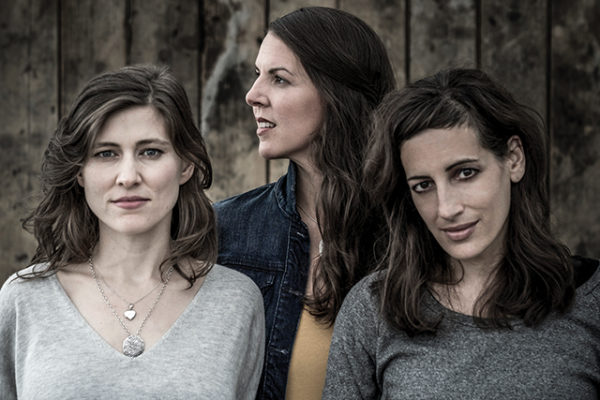
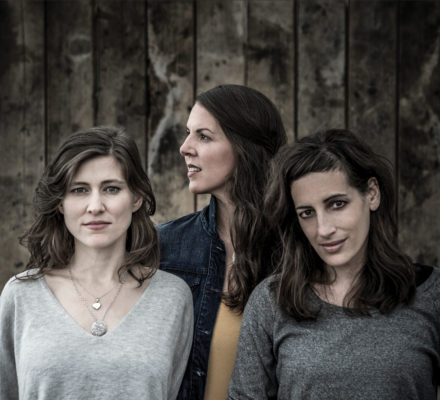
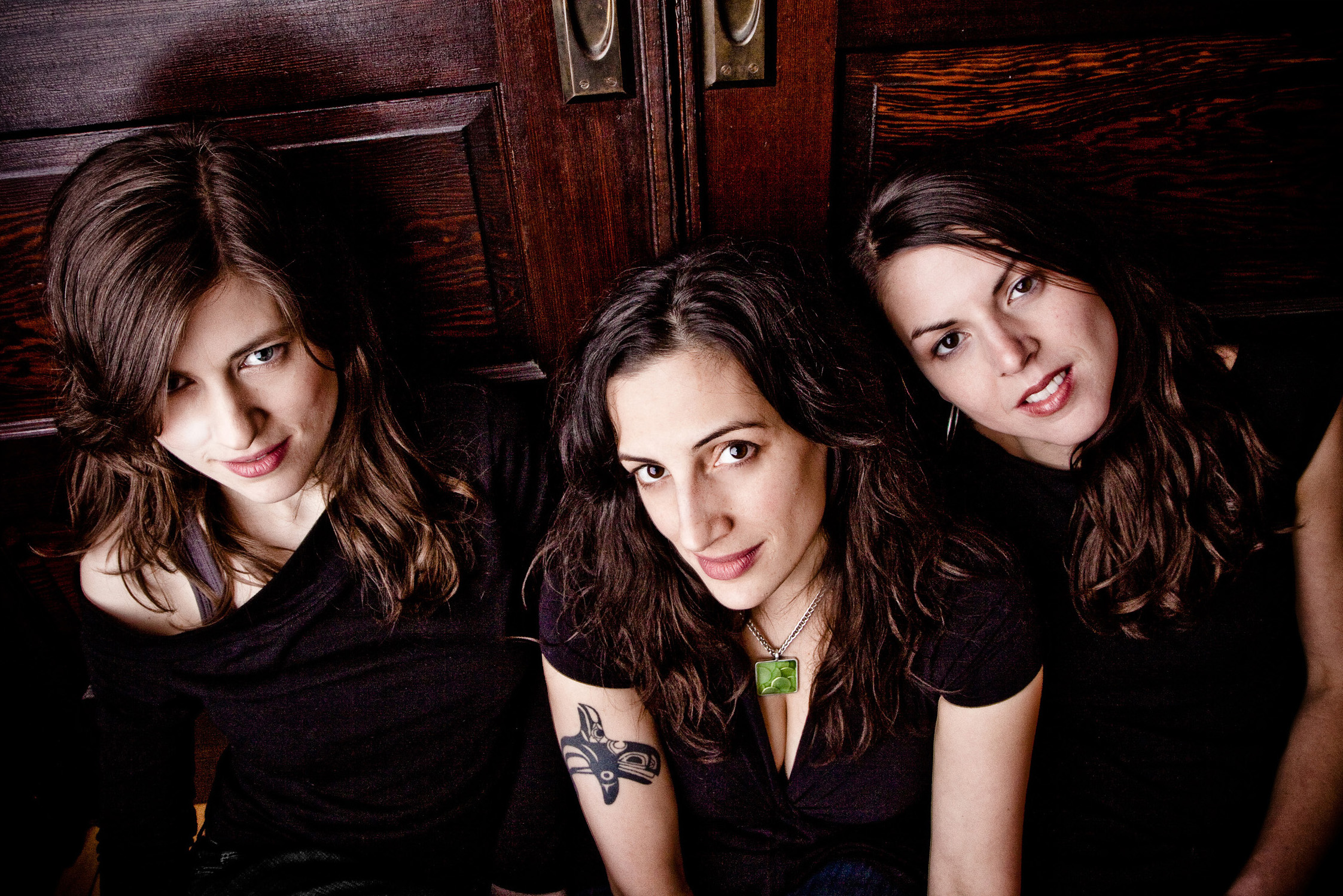
The Wailin’ Jennys are Nicky Mehta, Ruth Moody and Heather Masse—three distinct voices that together make an achingly perfect vocal sound.
Starting as a happy accident of solo singer-songwriters getting together for a one-time-only performance at a tiny guitar shop in Winnipeg, Manitoba, The Wailin’ Jennys have earned their place as one of today’s most beloved international folk groups. Founding members Ruth Moody and Nicky Mehta, along with New York-based Heather Masse, continue to create some of the most exciting and exquisite music on the folk-roots scene, stepping up their musical game with each critically-lauded recording and thrilling audiences with their renowned live performances.
In 2004, Red House Records released The Wailin’ Jennys’ first full-length album, 40 Days, in the U.S. to great critical acclaim, and in 2005 it won them a Juno Award (Canadian Grammy) for Roots & Traditional Album of the Year. Bolstered by their frequent appearances on Garrison Keillor’s public radio show A Prairie Home Companion, The Jennys exploded onto the roots music scene, performing at packed venues across the U.S. and throughout the world. Their next CD, Firecracker, was a powerful follow-up to their debut album and found The Jennys stepping out of the folk realm and into the world of alt-country, pop and rock. Garnering much attention, it was nominated for a Juno Award and won a 2007 Folk Alliance Award for “Contemporary Release of the Year.” It charted for over 56 weeks on the Billboard charts and was followed up by their 2009 release Live at the Mauch Chunk Opera House, which spent over a year on the Billboard bluegrass charts.
The Wailin’ Jennys joined the ranks of Lucinda Williams and Emmylou Harris by recording their 2011 studio album Bright Morning Stars with award-winning producer Mark Howard, co-produced by frequent Jennys collaborator and Juno Award-nominated David Travers-Smith.
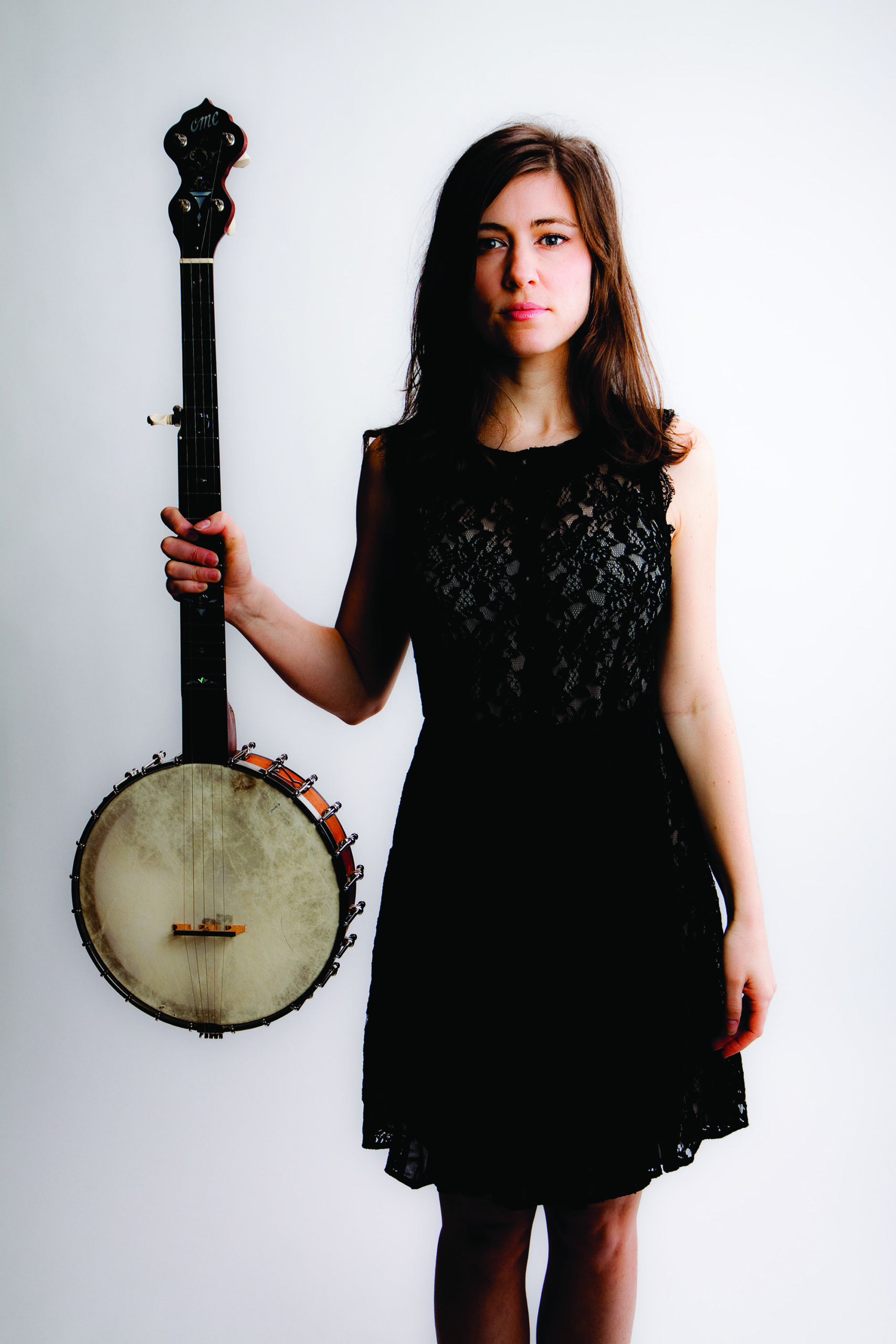
Although known primarily as an acoustic outfit, The Wailin’ Jennys have a wide range of musical backgrounds that have formed their musical sensibilities. Soprano Ruth Moody (vocals, guitar, accordion, banjo, bodhrán) is a classically trained vocalist and pianist known as an accomplished, versatile singer of traditional and Celtic music and was the lead singer of Juno-nominated roots band Scruj MacDuhk. Red House Records released her first full-length solo album The Garden, whose title track was the #4 most played song of 2010 on folk radio followed by 2013’s These Wilder Things. She recently became a mother to a son, Woodson.
Mezzo Nicky Mehta (vocals, guitar, drums, ukulele) is a self-taught musician and classically trained dancer raised on ‘70s AM radio. She was nominated for a Canadian Indie Music Award for her solo album Weather Vane and is working on a follow-up while also preparing for the release of a new children’s book based on the lyrics of her song “Away But Never Gone” from Bright Morning Stars. When at home she splits her time between composing for contemporary dance and engaging in various social justice initiatives. With the Jennys, she spearheaded their ongoing relationship with the National Alliance on Mental Illness to raise awareness and funds for the cause. She is the proud mother of twin boys, Beck and Finn.
Alto Heather Masse (vocals, upright bass) is a Jazz Voice graduate of the New England Conservatory of Music and is a regular guest on A Prairie Home Companion. She has also toured with her own band, supporting her 2009 Red House release Bird Song. Masse has released two jazz collaborations with Red House: Lock My Heart, a collection of standards pairing her with keyboard legend Dick Hyman, and August Love Song, which found Masse united with free jazz trombonist Roswell Rudd. She is the mother of a son, August.

Ruth Moody is a two-time Juno Award winning singer-songwriter and multi-instrumentalist from Winnipeg, Manitoba. Founding member of the internationally renowned, Billboard-charting trio The Wailin’ Jennys and former lead singer of the Canadian roots band Scruj MacDuhk (which would later become The Duhks), she has performed in sold-out venues around the world, made numerous critically-acclaimed albums, received five Juno Award nominations and has appeared more than a dozen times on the national radio show A Prairie Home Companion.
Although best known for her work with The Wailin’ Jennys, Ruth is an artist of exceptional depth and grace in her own right. Critics have lauded her ethereal vocals, impressive multi-instrumentalism and her talent as a songwriter. Written with a maturity and wisdom that belies her age, her songs are timeless, universal, and carefully crafted, all sung with an intimacy and honesty that is unmistakably her own.
Ruth has been recognized by the USA Songwriting Competition and the International Songwriting Competition for several of her compositions, including “One Voice,” which has gone on to be a signature song for The Wailin’ Jennys. It has been covered by countless artists and sung in concert halls, churches and schools throughout the world. Her song “Storm Comin,’” from The Jennys’ latest album Bright Morning Stars, recently won first place in the gospel category at the International Songwriting Competition.
In 2010, Red House Records released Ruth’s first solo album, The Garden, to rave reviews. Produced by David Travers-Smith, it was nominated for a Juno Award, a Western Canadian Music Award and three Canadian Folk Music Awards. Its title track was the fourth most played song of 2010 on North American folk radio. Once again teaming up with David Travers-Smith, Ruth followed up with These Wilder Things, a remarkable record featuring her touring band and special guest appearances by Mark Knopfler, Jerry Douglas, Crooked Still’s Aoife O’Donovan and The Wailin’ Jennys.
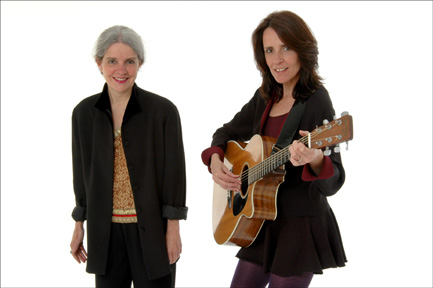
Suzzy and Maggie Roche have been singing together for most of their lives. Together with sister Terre, they formed The Roches and recorded ten albums, performing all over the US and Europe for over twenty years. The New York Times named their debut, The Roches, “Album of the Year” and they were hailed as the “Best Vocal Group” by the New York Music Awards. Will You Be My Friend, a recording of songs for children of all ages, was given “The Parent’s Choice Gold Award” and their Christmas recording, We Three Kings, has become a classic. They have recorded and written music for movies and TV . . . including their own episode of Steven Spielberg’s Tiny Toons and the score for the 1988 film Crossing Delancey. They have performed and recorded with Philip Glass, Paul Simon and The Indigo Girls and have appeared on Oprah Winfrey, Saturday Night Live, The Tonight Show, Late Night with David Letterman and The Dick Cavett Show.
Suzzy has recorded two solo projects released on Red House Records, Holy Smokes and Songs from an Unmarried Housewife & Mother, Greenwich Village, USA (named “Album of the Week” by The New York Times). Suzzy has also performed with the infamous Wooster Group throughout Europe and in New York City and she starred opposite Amy Irving in Crossing Delancey.
In January of 2002, Maggie & Suzzy released the critically acclaimed CD Zero Church, an unusual collection of prayers set to music. Zero Church was the result of work they began at The Institute On The Arts & Civic Dialogue, founded by Anna Deavere Smith and Harvard University. Guest artists included siblings Terre & David Roche, Dr. Ysaye Barnwell of Sweet Honey In The Rock, Lynette DuPree who starred in the Broadway hit Bring In Da Noise, Bring In Da Funk and Ruben Martinez, journalist and author of Crossing Over: A Mexican Family on the Migrant Trail.
Their 2004 Red House release, Why the Long Face features the Roches striking harmonies and singular songwriting. The album focuses on what Suzzy describes as the “ever thinning line between opposites: comedy & tragedy, hope & despair, the political & the personal, the truth & the lie, success & failure, the simple & complex – just to name a few.”

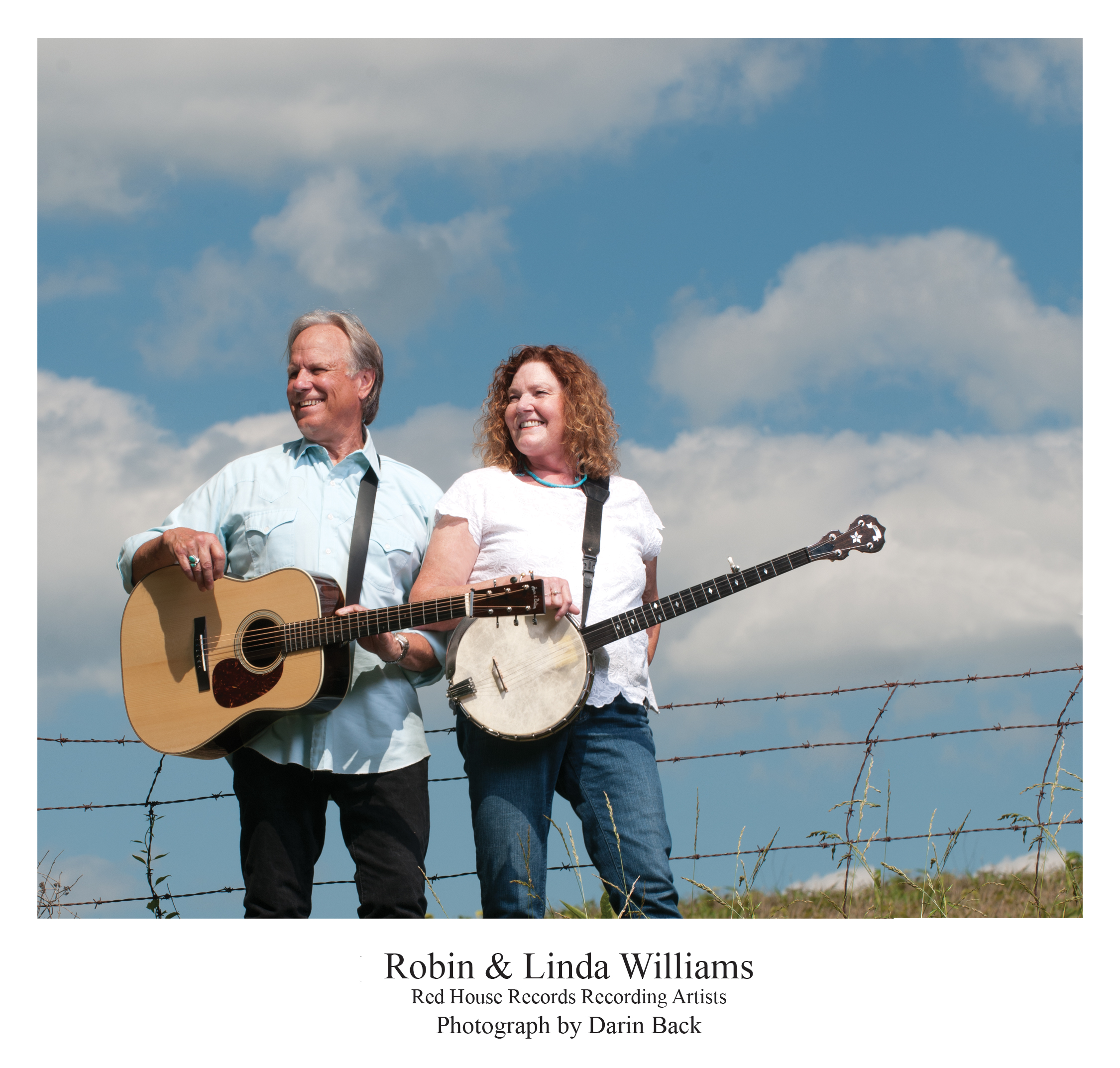
With a rich career spanning four decades, Virginia-based duo Robin & Linda Williams have made it their mission to perform the music that they love, a robust blend of bluegrass, folk, old-time and acoustic country that combines wryly observant lyrics with a wide-ranging melodicism. Today some might call it “Americana,” but these two revered music masters were living and breathing this elixir 20 years before that term was turned into a radio format. With the release of their new studio album Back 40, the Williams celebrate their musical legacy with a newly recorded album that features fresh treatments of their early classics (many from albums long out of print) and favorites by other writers, as well as a brand new song, “The Old Familiar House on Christmas Day.”
Produced in Nashville by Grammy-winning producer Jim Rooney (Nanci Griffith, Iris DeMent, Bonnie Raitt, John Prine, etc), the Williams are backed by the able trio of Todd Phillips (David Grisman Quintet, Tony Rice Unit) on standup bass, Al Perkins (Flying Burrito Brothers, Emmylou Harris & The Nash Ramblers) on Dobro and pedal steel, and bandmates Chris Brashear on mandolin and fiddle and Jim Watson (former Red Clay Rambler) on vocal harmony.”
Producer Jim Rooney says of the album, “I love listening to them sing this collection of songs. I have several favorites – their takes on ‘Urge For Going’ and ‘Boots Of Spanish Leather’ are as good as any I have heard. ‘The Real Thing’ and ‘Green Summertime’ get me every time. Don’t get me started! Pretty damn good to have this freshness and energy after all the years and miles.”
Their stirring concerts have earned them a huge body of fans over the years. But as gifted songwriters Robin and Linda have earned an even rarer honor — the devotion and deep respect of their musical peers. Their songs have endured and been recorded by the likes of Emmylou Harris, Tom T. Hall, George Hamilton IV, Tim & Mollie O’Brien, Mary Chapin Carpenter, Kathy Mattea, and The Seldom Scene. As live performers they are second to none, keeping a busy tour schedule and also guesting on A Prairie Home Companion, which they’ve appeared on since the public radio show’s early days (they’re also featured in the A Prairie Home Companion film).
Back 40 is a milestone release by this celebrated Southern duo.
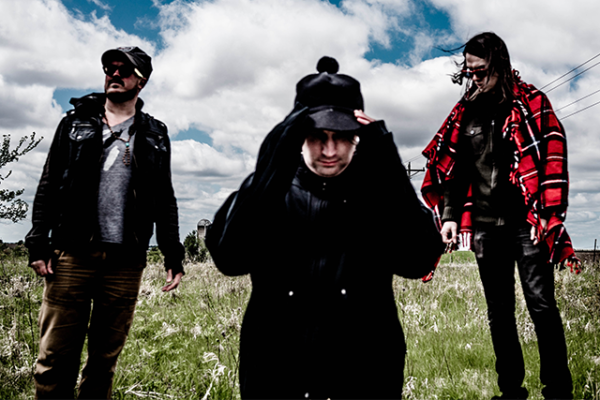
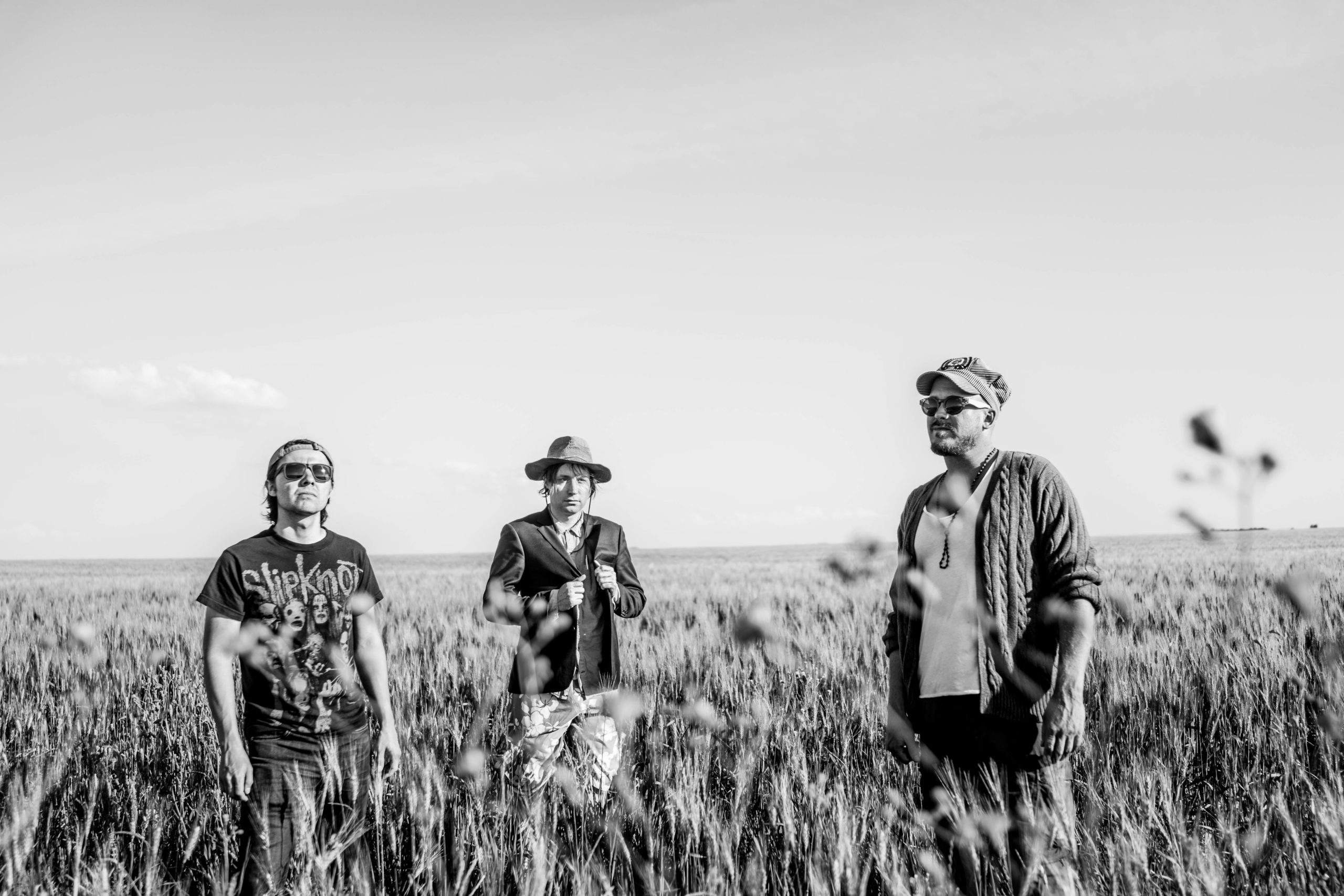
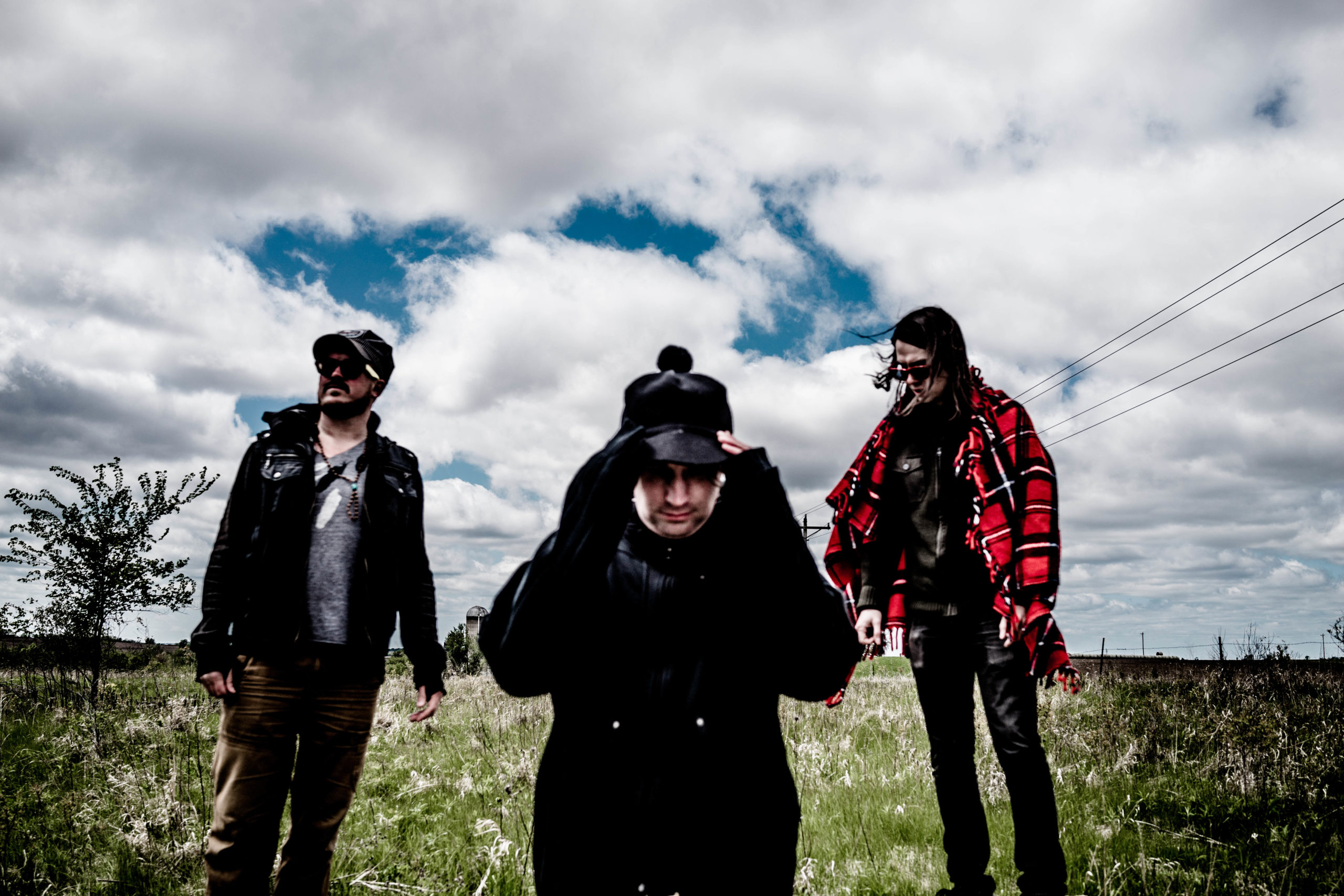
The Midwest is to The Pines what Monument Valley was to filmmaker John Ford. The flat, endless expanses of the band’s native Iowa are at once the settings of, characters in, and muse behind the songs on their new album, Above The Prairie. Songwriters David Huckfelt and Benson Ramsey—who along with Benson’s brother Alex form the band’s touring trio format—craft their music with a filmmaker’s keen eye for detail and framing, blending celestial, ethereal atmospherics with rich, warm vocals and earthy acoustic instruments. It’s a gripping brew that demands your total presence, transporting you into vividly painted musical and lyrical snapshots.
“Almost all of the songs on the album are somewhere between the first and third take,” says Huckfelt. “It was a matter of capturing raw performances and preserving that spirit, of not losing the energy of the songs in the recording of them.”
“It’s kind of a risky way to work,” adds Ramsey, “but we went back to Iowa and just did it in three days and that was pretty much it. It’s almost like a photograph.”
Much like the photograph on the album’s cover—which depicts a stunning nighttime landscape of wide-open grassland spotted with crumbling, abandoned cabins beneath an infinitely expansive galaxy of stars—the songs on Above The Prairie at once evoke the vastness of space, the ceaseless passage of time, the beauty of Earth, and the inescapable loneliness of inhabiting it.
In some ways, Above The Prairie may sound like an attempt to reconnect with the past, to capture the feel of the land and the communities of their youths, but the songs seem rather to reflect on the impossibility of such an endeavor in the modern age.
“People say you can’t step in the same river twice,” says Huckfelt, “but you can’t even step in the same river once, because change is the only constant. Home isn’t the same home you remember, and you don’t get a minute to catch your breath to think about it.”
It’s a sentiment that pervades the album and comes vividly to life on the record’s closing track, “Time Dreams,” a poem written and read by the famed Native American activist/poet John Trudell and set to music by The Pines.
“He articulates some profound truths that resonate throughout the record,” says Ramsey. “There’s just this kind of disconnection from the Earth that we experience. There’s this loneliness about it, and there’s this truth that’s sort of undeniable but that no one really wants to talk about.”
“We both grew up in Iowa in very sparse, rural communities,” adds Huckfelt, “and we watched our towns kind of dissipate and the vitality go away, but at the same time also remain in certain hidden, unexpected ways.”
Above The Prairie explores those hidden places, from “Lost Nation”—a synth-driven instrumental penned by Alex and named after an Iowa town with a population of less than 500—to “Villisca,” another soundscape featuring Uilleann pipes and titled for an Iowa community that lives under the ominous cloud of an infamous 1912 axe murder.
“There’s a remoteness to the record and the feelings,” says Huckfelt. “These communities are tiny, but they’re out there. There are homes with people and lives being lived there, and the towns we grew up in were not so different.”
Finding somewhere to feel at home is a recurring theme on the record. On “Where Something Wild Still Grows,” Huckfelt longs for a place “through the trees, past the city, beyond the glow” where he can be at ease, while “Sleepy Hollow” finds Ramsey contemplating our treatment of each other and our planet as he looks into the abyss of the night sky, and “Come What Is” (which features Ryan Young of Trampled By Turtles on fiddle) tries to find contentment in the present moment.
At the core of it all, though, is the realization that if this life is nothing more than a fleeting journey on a tiny speck of a planet floating among the stars of an infinite universe, then there’s no more important act than to love each other and the Earth. When Ramsey sings “hold, hold on to me” in opener “Aerial Ocean”—which brings together lush, sweeping slide guitar with gently plucked guitar and banjo—it’s repeated in the intimate, reverent tone of a prayer. The narrator might be singing to a person, or he might be singing to the prairie. In the case of The Pines, he’s probably singing to them both.
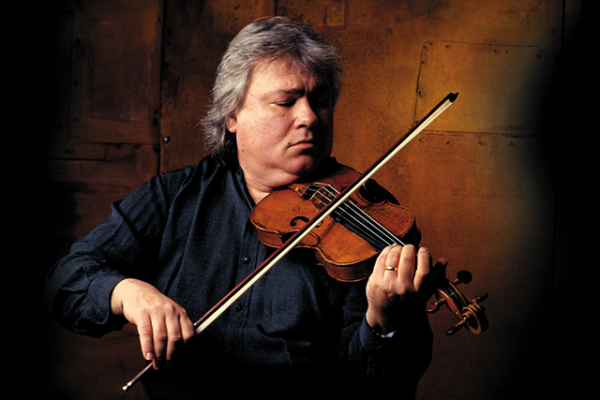
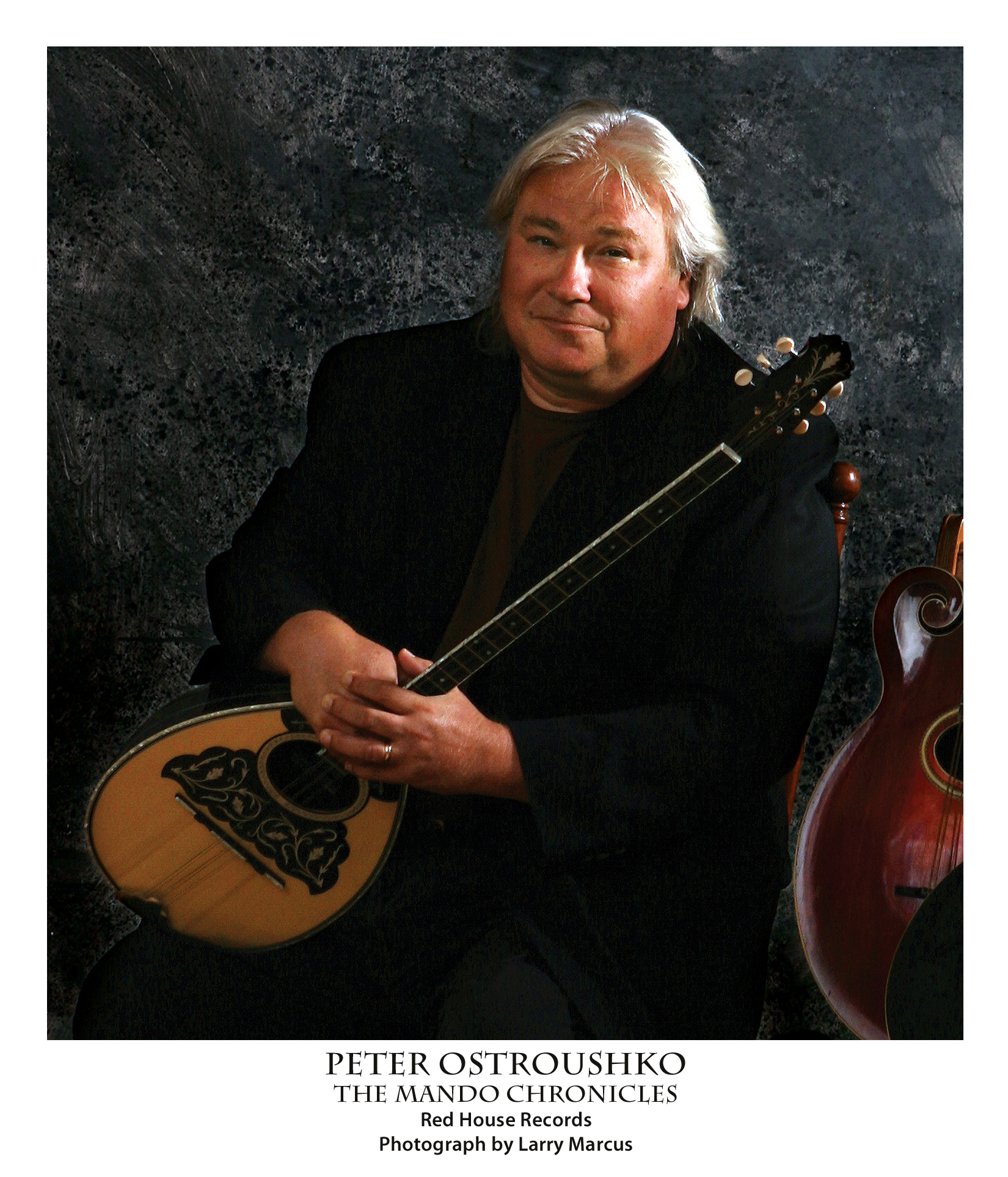
Peter Ostroushko is an Emmy Award winning composer and is regarded as one of the finest mandolin and fiddle players in acoustic music. He has toured all over North America and Europe, has played on over a thousand albums and has earned an international reputation as a versatile and dazzling musical master.
Peter’s recording contributions stand tall alongside the great Nashville session men of his generation, and he’s at home in virtually every style of music. His first recording session was an uncredited mandolin performance on Bob Dylan’s masterpiece Blood on the Tracks. Since then he’s played country (with Jethro Burns, Emmylou Harris, Willie Nelson, Chet Atkins and Johnny Gimble); bluegrass (with Norman and Nancy Blake, Tim O’Brien and Hot Rize); folk (with Greg Brown, John Hartford, Robin & Linda Williams and Taj Mahal); jazz; and most recently, classical—performing with the Saint Paul Paul Chamber Orchestra, Minnesota Symphony Orchestra and Kremlin Chamber Orchestra in Moscow.
He is at his best when he plays his own compositions – a rich musical stew of various ethnic influences. His family immigrated to the U.S. from the Ukraine after World War II and he was raised in Minneapolis’ Ukrainian neighborhood. As a child he listened as family members gathered on weekends to play traditional folk music. Ostroushko blends these roots with other Old World sounds (from Scandinavian schottisches to Irish hornpipes) and he mixes in classical, jazz, bluegrass, folk, swing, and old-time. He calls this gumbo of musical styles slüz düz, a phrase borrowed from his mother meaning, roughly, “over the edge” or “off his rocker.”
Ostroushko’s resumé is dizzying in its size and scope. He has played lead ukulele with the Minnesota Orchestra (under the direction of Sir Neville Mariner) and has toured with them under the direction of Edo DeWart, playing mandolin in a Mahler symphony at Carnegie Hall. With the Saint Paul Chamber Orchestra, he’s performed a number of his own scores and played with violin virtuoso Gil Shaham as a guest soloist. He’s barked like a dog on Late Night with David Letterman and appeared on Mr. Rogers’ Neighborhood (whose other rare musical guests have included Wynton Marsalis and Yo-Yo Ma). He’s composed and performed scores for a number of theater companies across the country, including The Children’s Theater Company in Minneapolis, Actors Theatre Company of St. Paul (with whom he traveled to Edinburgh’s famed Fringe Festival), The Alabama Shakespeare Festival, Madison Repertory Theater and ACT Theatre in Seattle. He’s appeared on radio and television shows including Mountain Stage, Good Evening, TNN, Lonesome Pine, Austin City Limits, and A Prairie Home Companion, where he was a regular performer and one of the show’s music directors.
Peter’s recordings reflect the breadth of his influences, eclecticism, and sheer talent. His highly acclaimed 1994 release, Heart of the Heartland, won a NAIRD (National Association of Independent Record Distributors) Indie Award for Acoustic Instrumental Album of the Year, and was used by filmmaker Ken Burns in his 1997 PBS documentary Lewis and Clark. Pilgrims on the Heart Road, the second release of the “Heartland” trilogy, also garnered heavy praise, earning a place on Pulse! Magazine’s Top Ten List for 1997. The album Sacred Heart completed the trilogy. Cinematic in nature, it has the ability to transport the listener across geographic space effortlessly. With its lush, spiritual instrumentation, the album virtually soars. In 2002, Peter released the critically acclaimed Meeting on Southern Soil with flat-picking legend Norman Blake following with Coming Down from Red Lodge in 2003. In 2005, Peter won an Emmy Award for his original score for the PBS series Minnesota: A History of the Land, which movingly conveyed the feeling of Minnesota’s epic landscapes and history, giving voice to places and people long gone. He followed that up with Postcards: Travels With a Great American Radio Show, taking his photographic style on the road, sending his impressions of America’s cities and small towns through his driving instrumental tunes. His 2010 release When the Last Morning Glory Blooms contained personal tunes he wrote for friends and family that seem universal in their ability to convey love, playfulness, and the yearning for home. Now Peter most recent album is the record of his career–a 3-CD box set called The Mando Chronicles, featuring 22 guest musicians and over three hours of music.
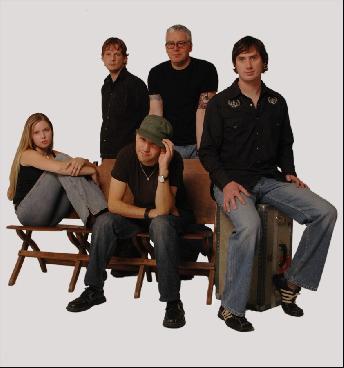
The Paperboys make music that is best described by founder Tom Landa as high energy music that is like a “Guinness with a tequilla chaser while listening to an Americana Jukebox.”
The Paperboys began in Vancouver in 1992. Landa, a young musician born in Mexico City, first got the taste for Celtic music when he heard Spirit of The West. Mixing his take on Celtic music with the music he had grown up with in Mexico seemed a natural direction for Tom to take.
By 1995, with a shifting group of players moving in and out of the band, a unique form of music was emerging–a mix of Celtic and latin folk with straightforward pop and a taste of bluegrass: Tom and his friends called it “stomp” and the first album, Late As Usual, was full of it. Their second album Molinos, however, was the breakthrough–and the title song, co-written with rocker Annette Ducharme, earned the band significant radio play.
Molinos not only won a Juno (Canadian Grammy) for “Roots and Traditional Album of the Year,” but it gave The Paperboys a strong following in the United States. Tom and the band have done more than 16 coast-to-coast tours in Canada, and have built huge followings in Seattle, Portland and other cities in the Northwest, throughout California, and in the North East. Along the way, the band racked up record sales and put more than 200,000 miles of interstate and back roads on dozens of rental cars.
In the fall of 2000 Red House released, Postcards and album full of irresistible grooves and the sights and sounds of seven years of nonstop touring that Landa called ” a soundtrack to the Global Village.”
On 2001’s A Nod to Bob The Paperboys rendition of “All Along the Watchtower” was a dizzying version that remains one of the cornerstones of the classic Dylan tribute record.
In 2006, Tom Landa and The Paperboys released The Road to Ellenside, an album recorded entirely at a country manor in rural England. The highly lauded album landed on Top Ten critics’ poll in The Village Voice.
The Paperboys continue an exhausting tour schedule playing nearly 150 shows a year around the world, selling out clubs at nearly every stop bringing their unique, high-energy music to their growing legions of fans.
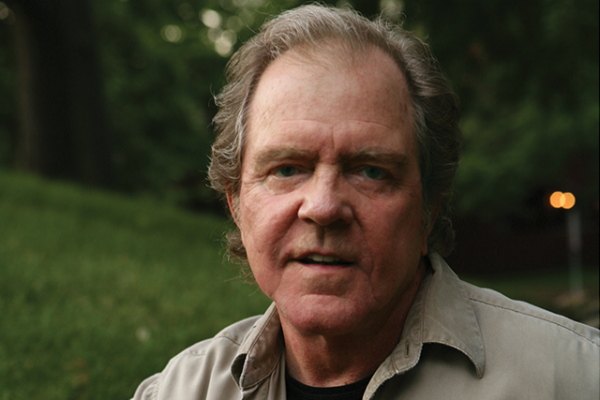
Michael Johnson is a masterful guitarist and songwriter who has had several Billboard-charting hits. Equally at home singing pop, country or classics from the American songbook, he remains one of the true authentic voices in contemporary music. His songs have been recorded by such artists as Alison Krauss, Suzy Bogguss, Chet Atkins and The Persuasions.
Born in Alamosa, Colorado and raised near Denver, he began playing guitar at age 13. He went to Colorado State College to study music but left after winning an international talent contest that landed him a deal with Epic Records. He then moved to Barcelona, where he attended the Liceu Conservatory to study with the classical guitar great Graciano Tarragó. Not long after returning to the States, he joined Randy Sparks in a group called the New Society, touring East Asia. After that he toured with the Chad Mitchell Trio and began co-writing and touring with John Denver, forming a trio called Denver, Boise & Johnson.
After spending some time as an actor, working in New York, Los Angeles and Chicago, he returned to music to release some of his biggest songs, including Top 40 hits like “Bluer Than Blue,” “This Night Won’t Last Forever” and “Almost Like Being in Love.” He then enjoyed equal success in Nashville, recording #1 country songs with singers like Juice Newton and Sylvia.
Always most at home on stage with just an acoustic guitar, Michael continued to tour solo, playing about half his shows in Minnesota, where he lived from 1969 to 1985. At one of his recent shows at the Dakota Jazz Club, he met up with singer-songwriter John Gorka. Michael talked about wanting to return to his acoustic roots, and John connected him with his manager and his St. Paul-based label Red House Records. Very familiar with Michael’s work, Red House president Eric Peltoniemi was delighted to meet Michael and hear his new material. “I was just stunned at how great his new songs were,” he says. “It thrilled me to hear a true artist still at the top of his game.” Michael signed with Red House and got to work recording his new songs at Minneapolis’ Wild Sound Recording Studio.
Ready to return to his roots, Michael moved to Minneapolis. “It just seemed that all roads were leading me back to Minnesota–signing with Red House, working on the new album and most especially, reconnecting with my daughter who lives here.” Michael adds, “And I’m just an old hippy, and I need to be up where my people are.”

Lucy Kaplansky is a rare vocal talent, “a truly gifted performer…full of enchanting songs” (New York Times). Blending country, folk and pop styles, she has the unique ability to make every song sound fresh, whether singing her own sweet originals, covering country classics by June Carter Cash and Gram Parsons or singing pop favorites by Lennon/McCartney and Nick Lowe. Lucy’s iconic voice has has been featured in film and on television, including commercials like Chevrolet’s iconic “Heartbeat of America” jingle. A Billboard-charting singer and one of the top-selling artists on Red House Records, she has topped the folk and Americana radio charts and has been featured on shows throughout the world from NPR’s Weekend and Morning Editions to BBC Radio to CBS Sunday Morning. One of the most in-demand harmony singers, Lucy has sung on countless records, performing with Suzanne Vega, Bryan Ferry, Nanci Griffith and Shawn Colvin.
Raised by a piano-playing mathematician and a homemaker in Chicago, Lucy began singing in bars when she was still a teenager, even traveling to Norway to perform as a country singer. When she was just out of high school, she took off for New York City, where she became part of the renaissance of the Greenwich Village folk scene centered around Folk City and the Fast Folk recordings. Her compatriots included Suzanne Vega, The Roches, Steve Forbert and John Gorka as well as her frequent duo partner Shawn Colvin. The New York Times said it was “easy to predict stardom for her,” but instead, Lucy got a doctorate in psychology and started a private practice.
Eventually Shawn Colvin lured Lucy back to music, producing her debut album The Tide (1994). Red House founder Bob Feldman was blown away by the release and signed her right away. Since then, she has released six solo albums with Red House and released radio-charting albums with the folk supergroups Red Horse (with Eliza Gilkyson and John Gorka) and Cry Cry Cry (with Dar Williams and Richard Shindell).
Lucy continues to perform all over the world. When not performing, she lives in New York City, where she enjoys spending time with her husband and daughter.
-->