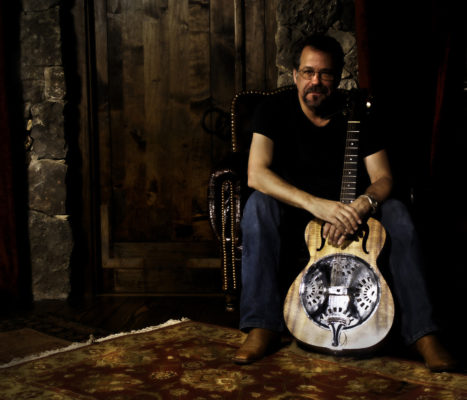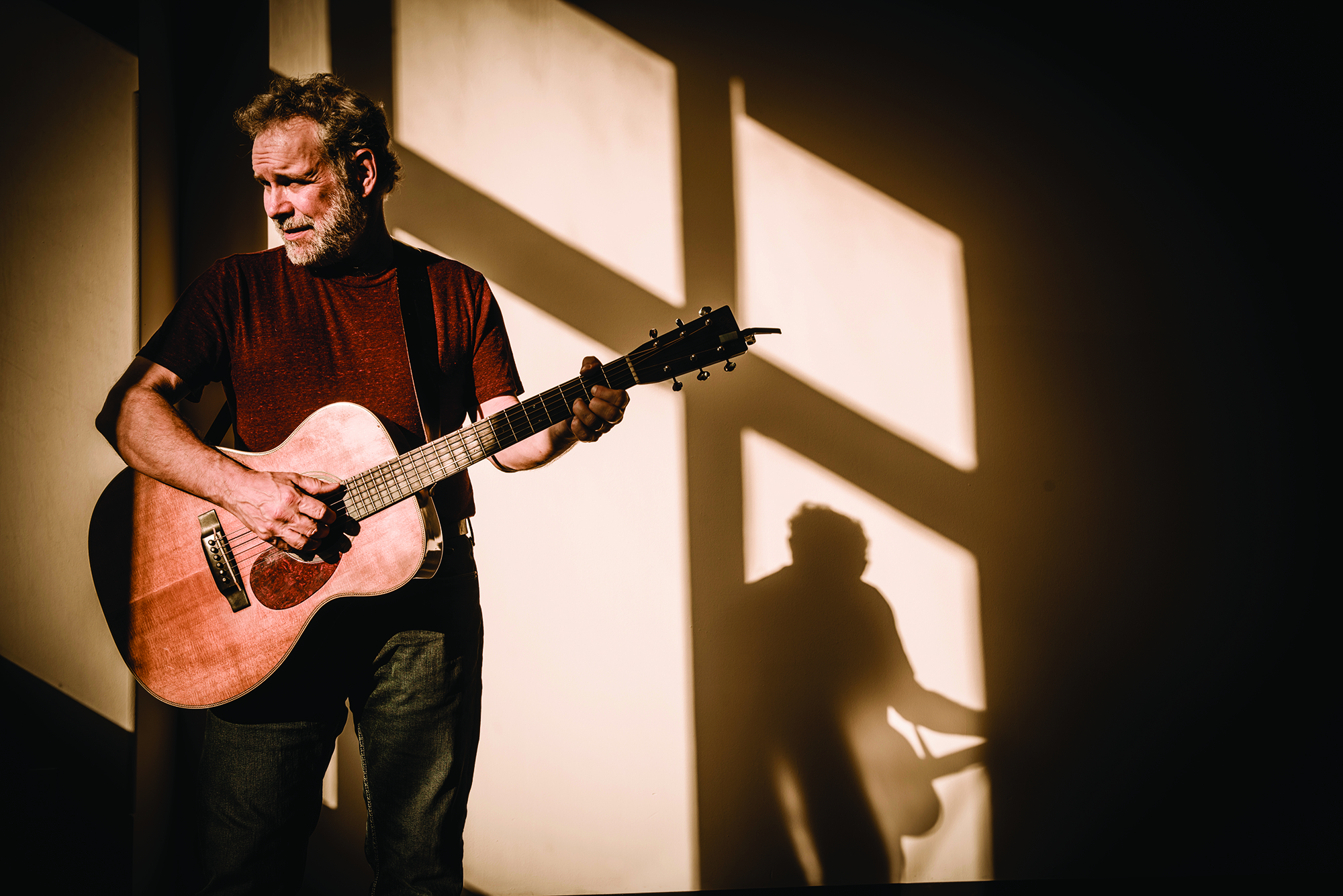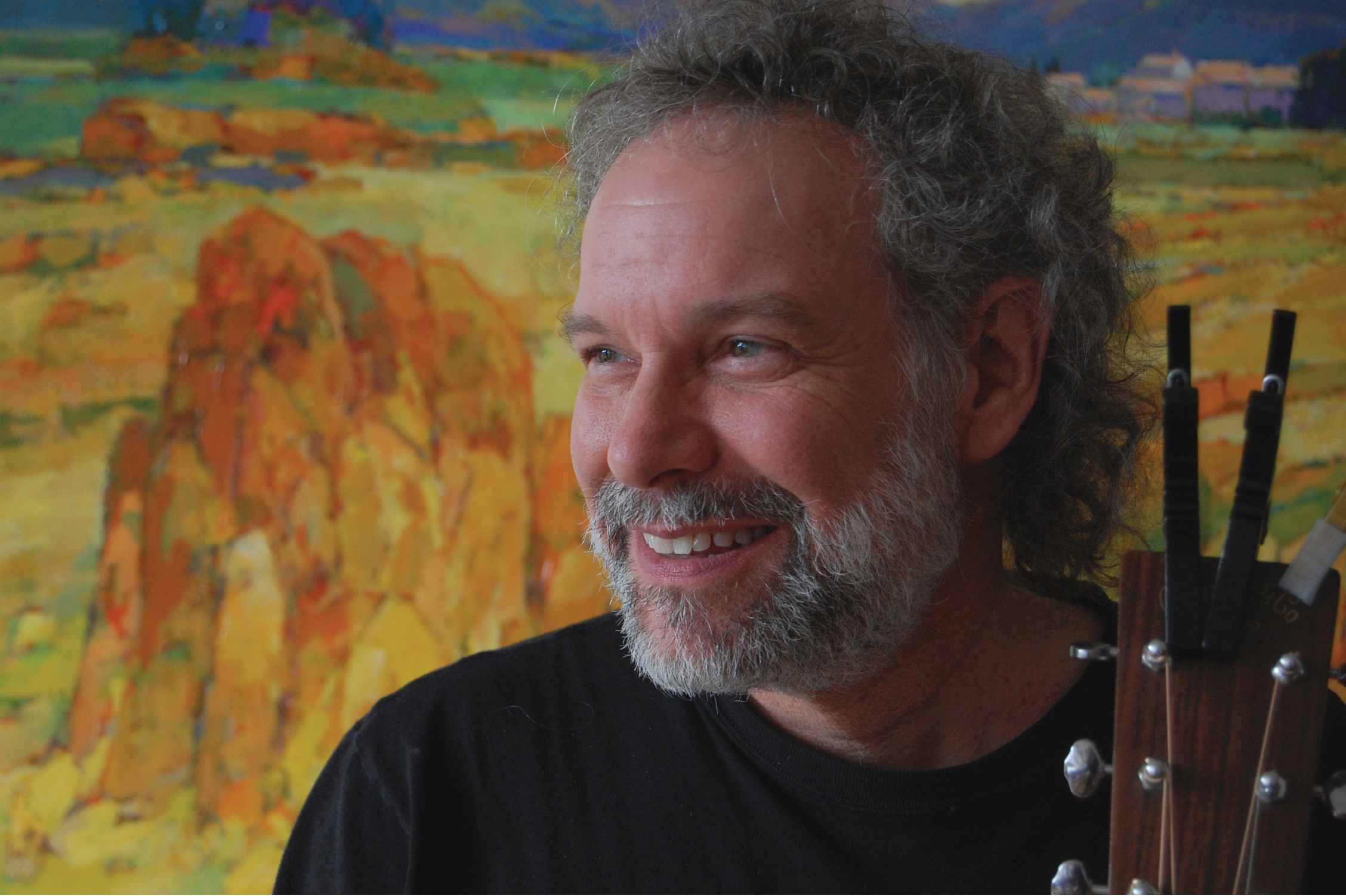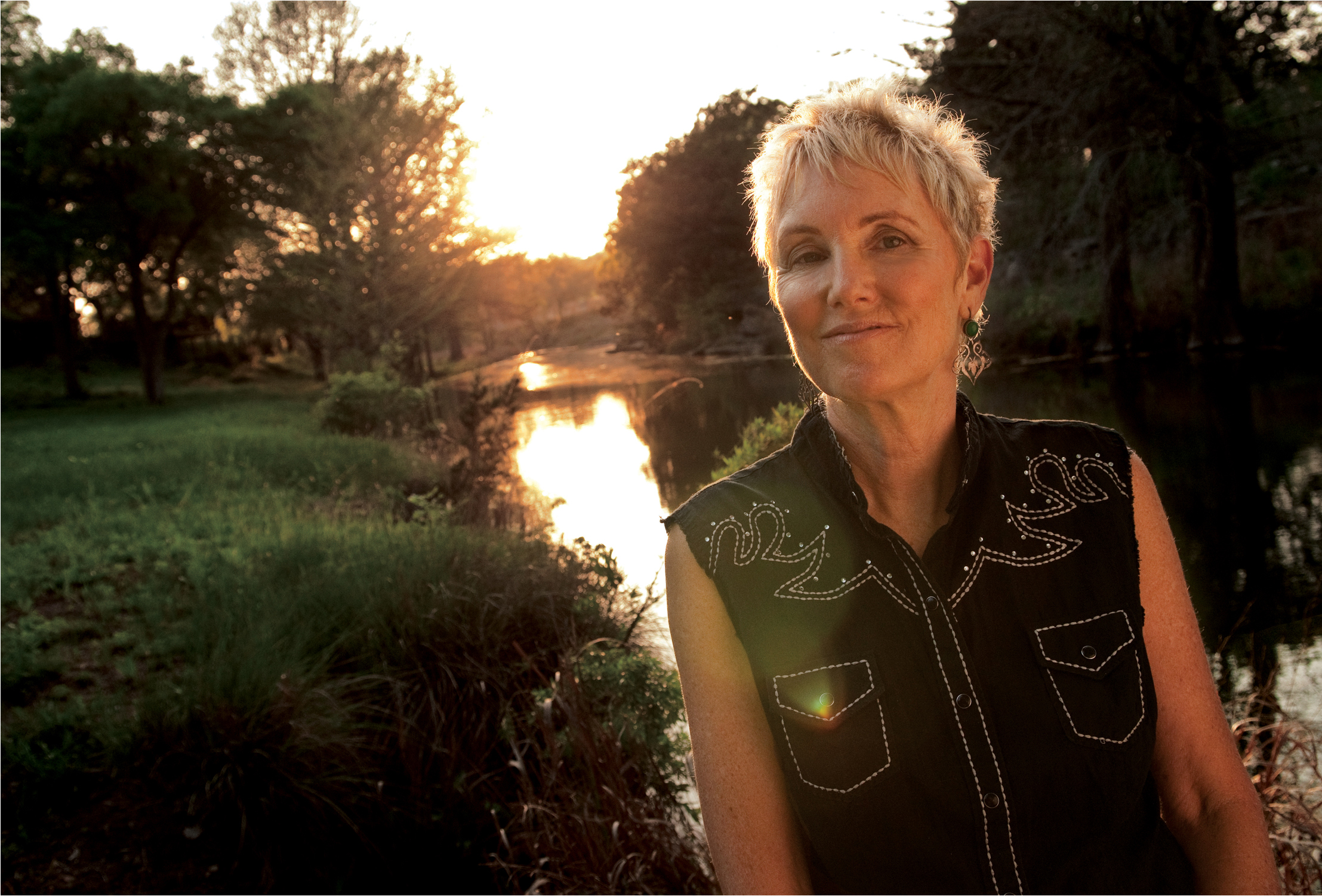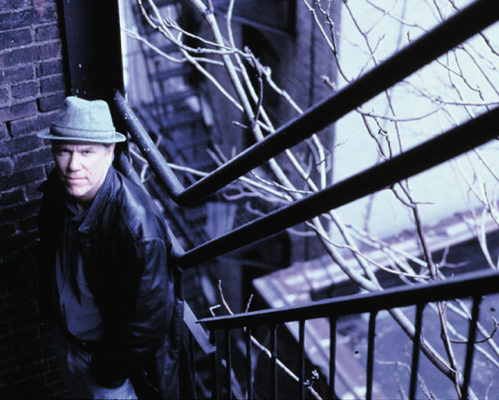
Loudon Wainwright III is one of the quintessential voices in American music. A prolific songwriter and accomplished actor, Wainwright’s albums accumulate like treasures in the attic, masterfully painting personal experiences as everyday human condition with compelling wit and wry humor. His 2001 release on Red House, Last Man on Earth was greeted with glowing reviews and he debuted the title track on “Late Night with Conan O’Brien.” The album is one of the strongest of his career and features songs that are more personal–a departure from the light, humorous, nature of previous albums.
Loudon grew up in Westchester, NY where he attended St. Andrews School for Boys from 1961-1965. He enrolled at Carnegie Mellon University, but after a year and a half, dropped out and moved to California in 1967. A year later he was writing his own songs, eventually cutting his first record for Atlantic in 1970. Since then, Loudon has gone on to record 20 albums, receive two Grammy nominations and have his songs covered by some of the legends of music like Johnny Cash, Earle Scruggs, Kate and Anna McGarrigle, and his son Rufus.
Not only is Loudon a prolific songsmith, but his year and a half studying acting at Carnegie Mellon paid off. He has gone on to numerous roles in film (Knocked Up, The 40 Year Old Virgin, Big Fish) and TV (Grounded for Life, Ally McBeal, Undeclared).
A songwriter who geniusly laces personal confessions with humorous poignancy, Loudon is one of the “greatest lyricists of our time.”

John Gorka is one of the most well-loved singer/songwriters in the folk community. With a career spanning 40 years and a discography of 17 solo releases, he embodies the best of folk music with his eclectic blend of folk, blues and bluegrass influences, insightful lyrics and engaging delivery. unentitled marks Gorka’s 10th album for the Red House Records imprint and furthers his legacy as a folk icon through the power of his songs and the quiet strength of his authenticity.
The album opens with “Favorite Place,” an upbeat reflection on the songwriter’s life and the creative process. As John says: “I am happiest when I’m working on a song, or better yet, in the middle of several songs. I love the place when the code is cracked and the song passes the point of inevitability. “A Light Exists in the Spring” is a setting of an Emily Dickinson poem brought to life by Gorka’s sparkling acoustic guitar and warm, rich baritone vocal.
The album’s first single is the track “Particle & Wave (Goodness in the World),” an anthem to the power of kindness and the better angels of human nature. The song was written on the day of the March for Our Lives event for the Parkland, FL High School students’ campaign against gun violence. Gorka delivers a stunning rendition of the well-loved Stan Rogers song “Harris and The Mare” (the sole cover on the album). Gorka lists Rogers as one his musical heroes and recalls meeting him, and requesting the song, at a Stan Rogers show he was MCing at Godfrey Daniel’s Coffeehouse in Bethlehem in December 1980. The album closes with Gorka’s voice and guitar front and center on a solo reprise of “Particle and Wave,”
John Gorka’s career was launched in the mid-80s when he won the prestigious New Folk award at the Kerrville Folk Festival in 1984. Several years later he signed to Red House records for the release of his debut album I Know. He migrated to Windham Hill/High Street for his subsequent three releases, earning extensive critical acclaim from a variety of publications including Rolling Stone which dubbed him the preeminent male singer-songwriter of the New Folk Movement. He returned to Red House in 1998 and has since released a string of albums that have achieved folk chart-topping success.

Singer-songmaker Heather Masse is a rare artist with “lush velvety vocals, capable of melting butter in a Siberian winter” (All Music). She grew up in rural Maine and was trained at the New England Conservatory of Music as a jazz singer, she is steeped in the jazz tradition, which informs her distinct approach to singing folk, pop and bluegrass.
A member of the Billboard-charting folk group, The Wailin’ Jennys, she has performed at hundreds of venues across the world. She has been a frequent guest on Garrison Keillor’s A Prairie Home Companion, both as a solo performer and as a member of The Jennys. On the show, she has collaborated with artists such as Elvis Costello, Wynton Marsalis, Sheryl Crow, Renee Fleming, and Emmylou Harris.
Heather has performed with the contemporary bluegrass band The Wayfaring Strangers, fiddle virtuoso Mark O’Connor’s Hot Swing, and in 2006, recorded an album with Joy Kills Sorrow, a contemporary stringband. She also released Tell Me Tonight with the Brooklyn-based collaboration Heather & the Barbarians.
In 2008, Ms. Masse released Many Moons, an EP of jazz-inspired folk duets with pianist Jed Wilson. She followed that up with her first full-length solo album, Bird Song. Her solo debut on Grammy-winning indie label Red House Records, the album showcased her luscious alto voice and her superb songwriting. The title track “Bird Song” won her 1st prize at the International Acoustic Music Awards, and in 2012 she also won a prestigious Juno Award for Bright Morning Stars, her latest recording with The Wailin’ Jennys.
Masse returned to her jazz roots in 2013 with Lock My Heart, an album of standards she recorded with piano legend Dick Hyman.
In 2016, Heather teamed up with jazz trombone maverick Roswell Rudd for August Love Song, an unlikely collaboration between vocals and trombone. The album features masterfully reworked standards as well as originals from Rudd, his partner, composer Verna Gillis and Masse, including “Love Song for August” (August is Heather’s son) as well as improvised arrangements of mutual favorites by Gigi Gryce, the Gershwins, Duke Ellington and Dizzy Gillespie.
As one of the most versatile vocalists in roots music today, Masse continues to perform with The Wailin’ Jennys.
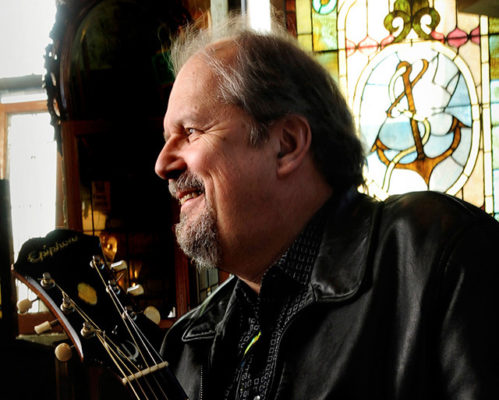
Better known perhaps as the President of Red House Records, Eric Peltoniemi has long been an acclaimed songwriter, composer and musician, as well. For over 4 decades he has worked several sides of the music industry: as a performing artist, songwriter, graphic designer, Grammy-winning producer and record label executive. (He assumed leadership of Red House in early 2006 upon the passing away of his long-time friend and colleague Bob Feldman, the label’s pioneering president and co-founder with Greg Brown.)
Eric’s long relationship with folk and country music began in a small farming town in the early 1960s when as a teenager he began performing on his grandma’s old guitar at county fairs, dances, township halls…and even boxing matches. Along the way he added Finnish songs to his act and spent several years performing across the US, Canada and northern Europe as a solo artist and with the folk-rock bands Trova, Suomi Orkesteri and Trova Ystavineen.
He has also spent several years in the music theatre where he has written music, lyrics and occasional book for eleven plays, including the regional hits TEN NOVEMBER (a collaboration with Pulitzer Prize-nominated playwright Steven Dietz) and PLAIN HEARTS (with playwright Lance Belville). Along with his collaborator Peter Glazer, he was awarded a grant from the National Endowment for the Arts, and together the two created HEART OF SPAIN, a musical about the International Brigades during the Spanish Civil War.
Eric’s original songs have been recorded by artists like Bok, Trickett & Muir; Robin & Linda Williams; Sally Rogers & Claudia Schmidt; Lisa Asher; Trova; Prudence Johnson, and the Finnish roots band Koinurit, among others.
His own recordings have been rare and few: two albums with Trova (Trova and Healing Zone), three Finnish language releases Kävelin Kerran/Velisurmajaa [single], Suomi [album] and K.A.U.S.T.I.N.E.N., [single with Trova Ystavineen], the mid-1990s’ Songs O’ Sad Laughter [album] and the more recent Gales of November…The Songs of ‘Ten November’ [album] with Prudence Johnson, Ruth MacKenzie, Claudia Schmidt, Peter Ostroushko, Dan Chouinard & Jeffrey Willkomm.

Eliza Gilkyson is a politically minded, poetically gifted singer-songwriter who has become one of the most respected musicians in folk and Americana music circles. The daughter of legendary songwriter Terry Gilkyson, Eliza entered the music world as a teenager, recording demos for her father. Since then she has released 20 recordings of her own, and her songs have been covered by such notables as Joan Baez, Bob Geldof, Tom Rush and Rosanne Cash.
The Grammy-nominated songwriter has appeared on NPR, Austin City Limits, Mountain Stage, etown, XM Radio, Air America Radio and has toured worldwide as a solo artist and in support of Richard Thompson, Patty Griffin, Mary Chapin Carpenter, Dan Fogelberg, as well as with the Woody Guthrie review, Ribbon of Highway-Endless Skyway, alongside the Guthrie Family, Jimmy Lafave, Slaid Cleaves, and special guests Pete Seeger, Jackson Browne and Kris Kristofferson. She has been inducted into the Austin Music Hall of Fame alongside such legends as Willie Nelson, Townes Van Zandt and Nanci Griffith and is an ongoing winner of the Austin Chronicle’s various music awards, as well as Folk Alliance awards for Best Artist, Best Songwriter and Record of the Year.
Her CD Land of Milk and Honey was nominated for a GRAMMY for Best Contemporary Folk Album. Eliza’s meditative “Requiem,” written as a prayer for those who lost their lives in the devastating tsunami in Southeast Asia, was recorded by the nationally recognized choral group Conspirare, whose version was nominated for a Grammy and won the prestigious Edison Award in Europe. The song has become a standard in choir repertory the world over. Two of her songs appeared on Joan Baez’s Grammy-nominated CD, Day After Tomorrow. In addition to touring in support of her previous release, Roses at the End of Time, in 2011 and 2012 Eliza and label-mates John Gorka and Lucy Kaplansky performed as “Folk Super Trio” Red Horse, a side project whose CD stayed for months at the top of the Folk Music Charts. Eliza recently was invited to contribute a track on the 2014 Jackson Browne tribute, Looking Into You, along with Bruce Springsteen, Don Henley, Sara Watkins, Bonnie Raitt, Shawn Colvin and others. She received her second GRAMMY folk nomination in 2015 for her album The Nocturne Diaries. In early 2018, Joan Baez covered Eliza’s song “The Great Correction” on her covers album Whistle Down the Wind. Eliza’s 20th album, Secularia, is set for a summer 2018 release.
Eliza is an active member of the Austin music and political community, including the environmental organization Save Our Springs (www.sosalliance.org), and she is a co-founder of www.5604manor.org, an Austin-based activist resource center that promotes political activism and community involvement around issues of race, patriarchy and global injustice.
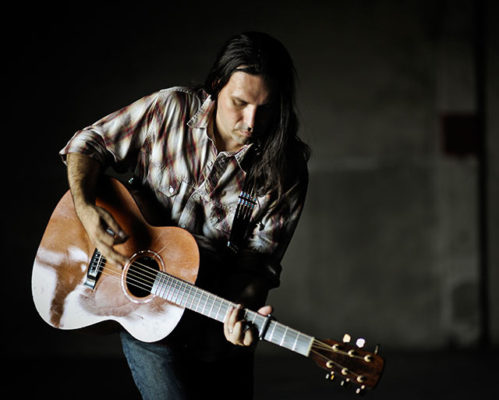
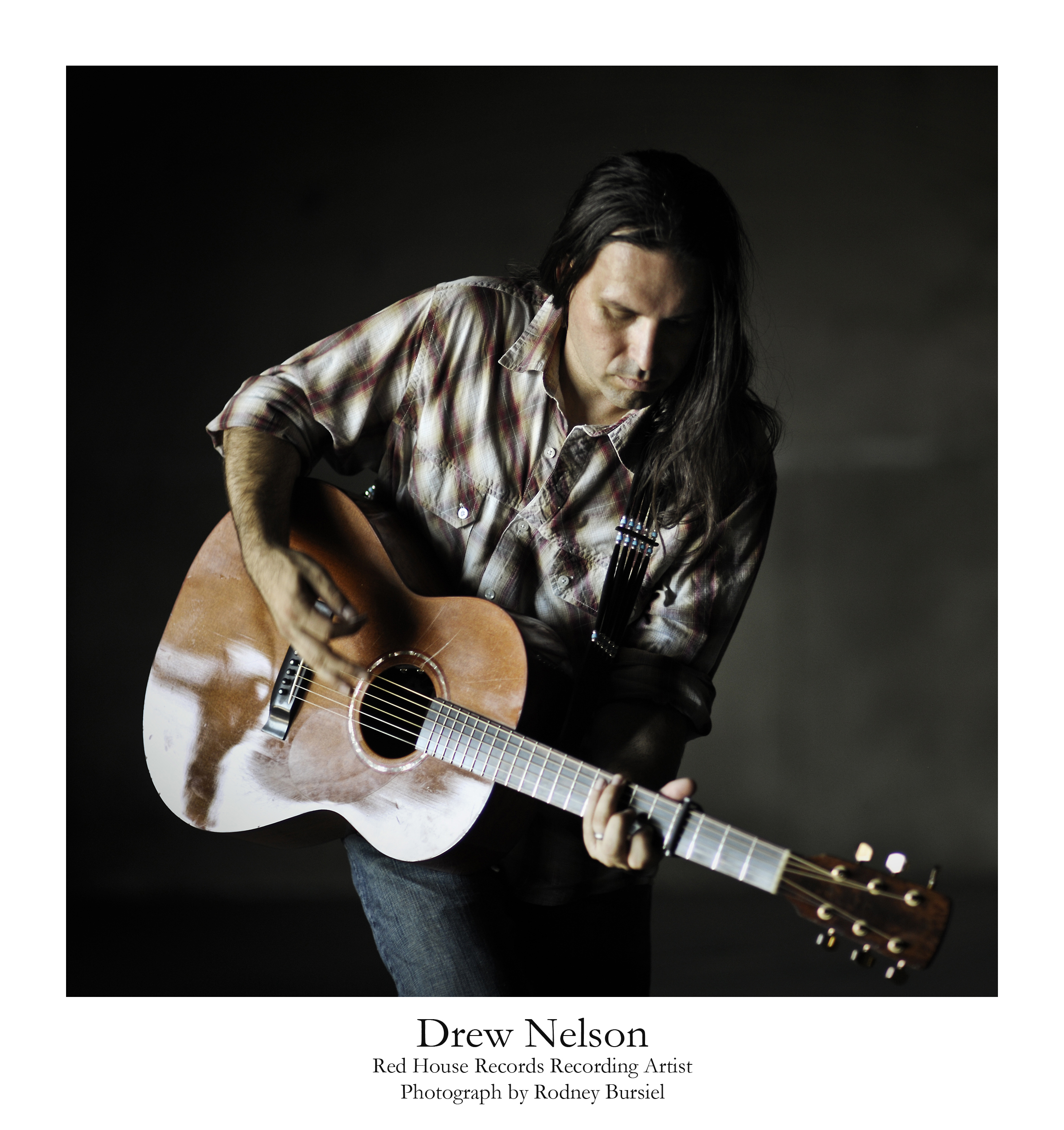
Michigan-born Navy veteran Drew Nelson is a storytelling songwriter and multi-instrumentalist. A fly fisherman and world traveler, he writes as a witness to the lives and journeys of those he has met along the way, mixing Americana and roots-rock with traditional folk styles.
Drew has toured across North America and Europe, performing solo and opening for popular rock artists like Melissa Etheridge and Edwin McCain as well as esteemed folk singers like Josh White Jr. and John Gorka.
He first met John Gorka in 2006, when Drew performed as part of Falcon Ridge Folk Festival’s prestigious songwriting contest. John found him backstage after his performance and told him how much his songs moved him. Since then, Drew has shared the stage with John several times, including at such big events as the Kerrville Folk Festival. “Drew Nelson is one of my favorite new artists,” John Gorka says. “His songs sound like the rest of us feel….dazed, angry amazed and climbing.”
Drew garnered further attention in 2009, when he released Dusty Road to Beulah Land (Waterbug Records), which topped the folk radio charts and caught the attention of the Grammy-winning indie label Red House Records.
“I love that Drew can rock out as well as write sensitive ballads,” Red House president Eric Peltoniemi says. “I admire his down-to-earth songwriting which portrays our world and ordinary people with such deep feeling and unflinching clarity. He has worked hard in life and hasn’t been afraid to get his hands dirty. He has 100% credibility in the subject matter he writes about, and I’m excited to get the chance to work with him.”
Drew’s Red House debut Tilt-A-Whirl comes out in early 2012. He can also be heard on the new album Dark River: Songs of the Civil War Era, along with Jon Dee Graham, Slaid Cleaves, James McMurtry and new label-mate Eliza Gilkyson.
When Drew is not on the road, he enjoys reading, rooting for the Detroit Tigers, doing hot yoga and working as an amateur luthier, building guitars and octave mandolins. He is also working on putting together a photography show.
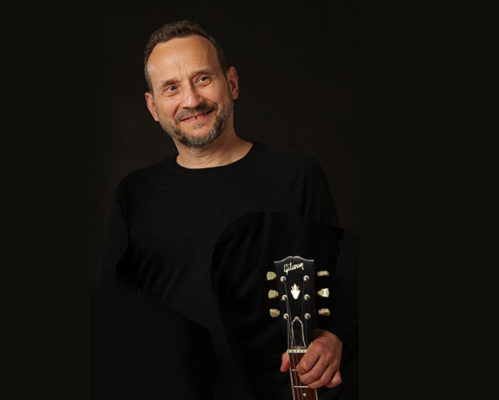
Dean Magraw is a consummate guitarist, playing with wit and soulful abandon. A performer like no other, he is part-comedian, part-philosopher and all-around musical genius. Transcending genre, he has performed with a cornucopia of collaborators from jazz organist Jack McDuff to folk icon Greg Brown, trad Irish supergroup Altan to classical violinist Nigel Kennedy.
Growing up in a musical household, Dean soaked in a smorgasbord of musical influences. His parents danced to big band swing; his sister listened to show tunes and his guitar and veena playing brother’s record collection was full of folk, jazz, rock, and classical Indian albums. But it was the opening riff to the Rolling Stones’ “19th Nervous Breakdown” that caused him to fall in love with the guitar.
In his formative years Dean quickly expanded his musical knowledge by incorporating his love of myriad musical styles into his playing and writing. With his eclectic background and musical versatility, he quickly evolved into one of the most innovative guitarists on the international scene as well as one of the most accomplished and original composers, arrangers and producers around. From playing on public radio’s A Prairie Home Companion to leading up his own experimental jam band Eight Head, Dean has literally generated a new world of music.
In addition to his role as an in-demand sideman on over a hundred recording projects, Dean has proven pivotal in creating more than a dozen albums, including four for Red House Records: Wise-Magraw (1985), Broken Silence (1994), Seventh One (1998) and Duo (1991), an album he recorded with Emmy Award winning multi-instrumentalist Peter Ostroushko.
Diagnosed with MDS in 2009, a new chapter has opened in Dean’s life perspective and artistic endeavors. A bone marrow transplant prevented him from performing…but not recording. During the early stages of his medical treatment, Dean went into the studio with his longtime friend and collaborator Marcus Wise. Proving the healing power of music, Dean and Marcus Wise released How the Light Gets In, an engaging collection of highly original compositions nurtured in a refreshingly distinctive soundscape. As is evident on this new album, Dean continues to radiate positive energy through his music. Playing with insight, passion and joy, he shows why he is one of the most ground-breaking musicians of our time.
In 2014, Dean collaborated with the iconic jazz drummer Eric Kamau Gravatt (Weather Report, McCoy Tyner) for their improvisational masterwork, Fire on the Nile. The spare yet full sound of Dean’s guitar and Eric’s drumming, created a aural journey that only musicians of their caliber could create.
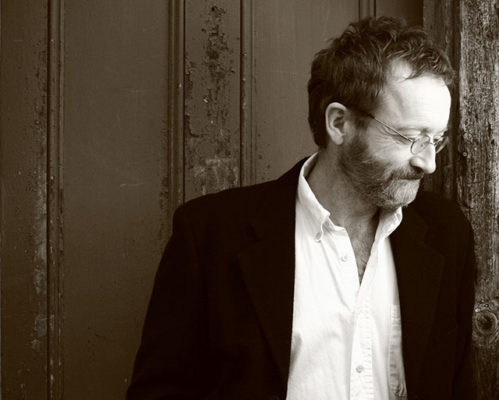
David Francey is a Scottish-born carpenter-turned-songwriter, who has become known as “one of Canada’s most revered folk poets and singers” (Toronto Star). Born in Ayrshire, Scotland to parents who were factory workers, he moved to Canada when he was twelve. For decades, he worked in rail yards, construction sites, and the Yukon bush, all the while writing poetry, setting it to melodies in his head and singing it to himself as he worked.
A truly authentic folk singer, Francey is a documentarian of the working person who never imagined earning a living from his music. But when he was in his 40s, his wife, artist Beth Girdler, encouraged him to share his songs and sing in public. The reaction was instant. His first album Torn Screen Door came out in 1999 and was a hit in Canada. Since then, he has released eight albums, won three Juno Awards and has had his songs covered by such artists as The Del McCoury Band, The Rankin Family, James Keelaghan and fellow Red House artist Tracy Grammer.
With Francey’s latest album So Say We All, he returns to Red House Records, the US label where he released his acclaimed folk/Americana album The Waking Hour, featuring Nashville veterans Kevin Welch, Kieran Kane and Fats Kaplin. One of his most personal albums to date, So Say We All delves deep into his recent struggles with depression and loss. With songs about hope and perserverence, the album sounds like a classic folk record that will appeal to folk fans of all ages.
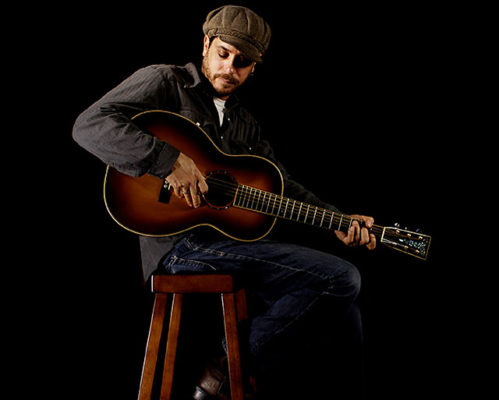
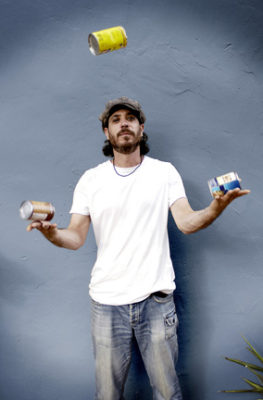
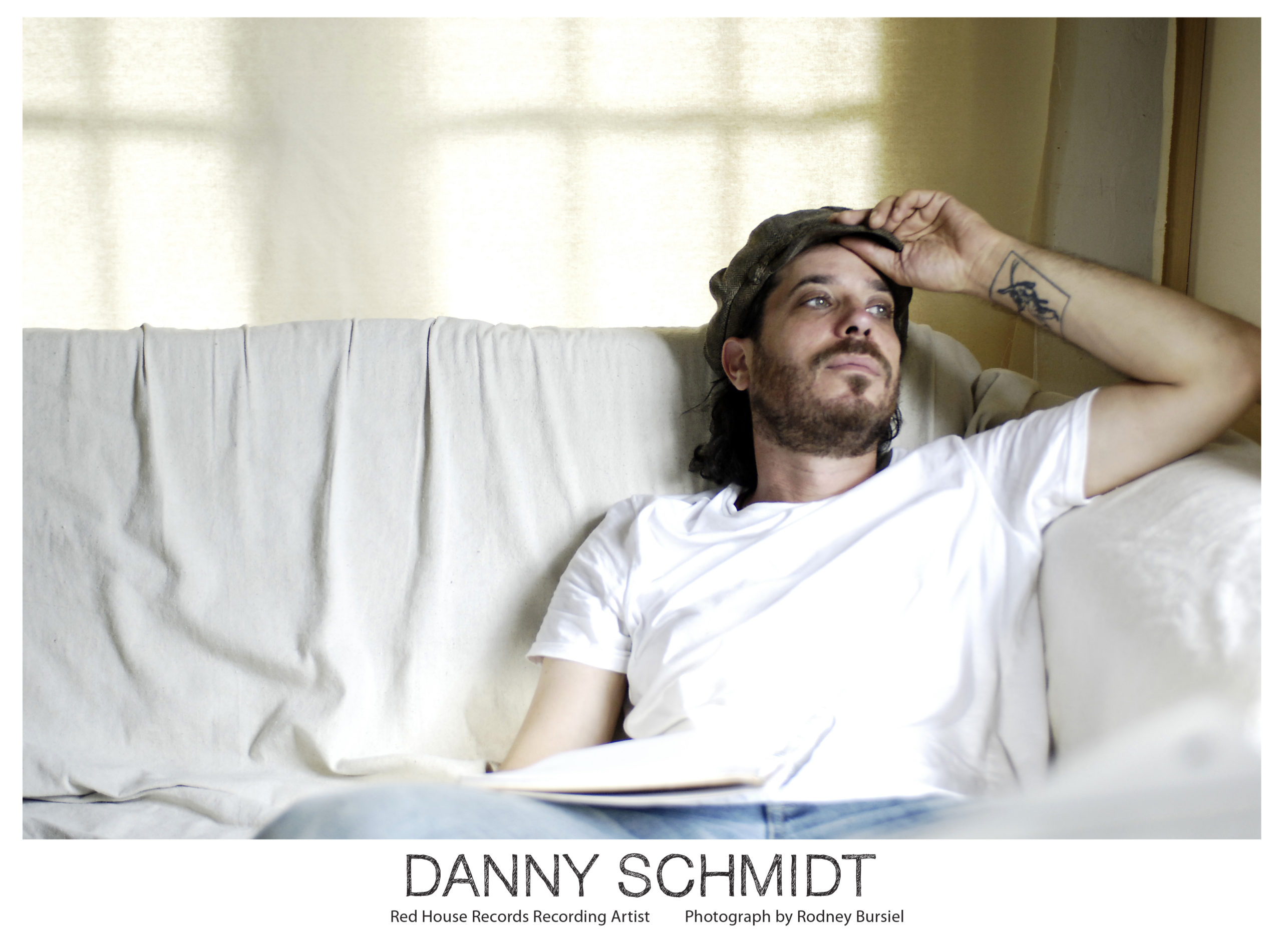
Austin, Texas native Danny Schmidt has built a cult following as a modern day poet and classic troubadour. A true renaissance man and consummate artist, his work is rich and wide-ranging. His lyrics have been published as poetry in literary journals. His photographs from the road have been included in photo exhibits and sold as fine art prints. He has written children’s stories. He designs his own album artwork and codes his own website. And, he has produced albums for friends, including Red House artist Carrie Elkin. Danny is a man of many media.
His life has followed a similar multi-dimensional path. He dropped out of college to pursue a more holistic and connected life on a self-sustainable communal farm. He worked as a sawyer at a sawmill in rural Virginia and as a preschool teacher in Texas. He helped found a musician’s cooperative in Charlottesville, and he is now currently working on a web-based cooperative of musicians.
While the creative expressions along his unorthodox path have taken many forms, it’s Danny’s music, and songwriting in particular, that have garnered him the most notoriety, winning him the 2007 Kerrville New Folk Award and attracting the attention of venerable roots label Red House Records.
Danny’s label debut Instead the Forest Rose to Sing was recorded in Austin by Mark Hallman (David Byrne, Ani Difranco, Eliza Gilkyson) and mixed folk, Americana and indie-rock sounds. It garnered rave reviews and made No Depression’s “Best of 2009” list. The #2 most played folk album that year, it also solidified Danny’s place as one of today’s most important voices and led him to be highlighted by Rich Warren in the Chicago Tribune as one of the top 50 most significant folk songwriters in the last 50 years.
On his latest solo album Man of Many Moons, Danny returns to an intensely intimate solo acoustic sound. Both thoughtful and playful, the songs dance around themes of personal evolution and an ever-fluid relationship with commitment.
Danny and fellow Red House artist Carrie Elkin have been performing together for the last few years and have teamed up for their duo debut For Keeps. This release from two of Austin’s award-winning songwriters contains many of the songs that have been enjoyed by thousands of fans at their live shows.
When not on the road, Danny lives in Austin where he likes to cook, brew beer and wine and take in as many Texas Longhorns games as he can.
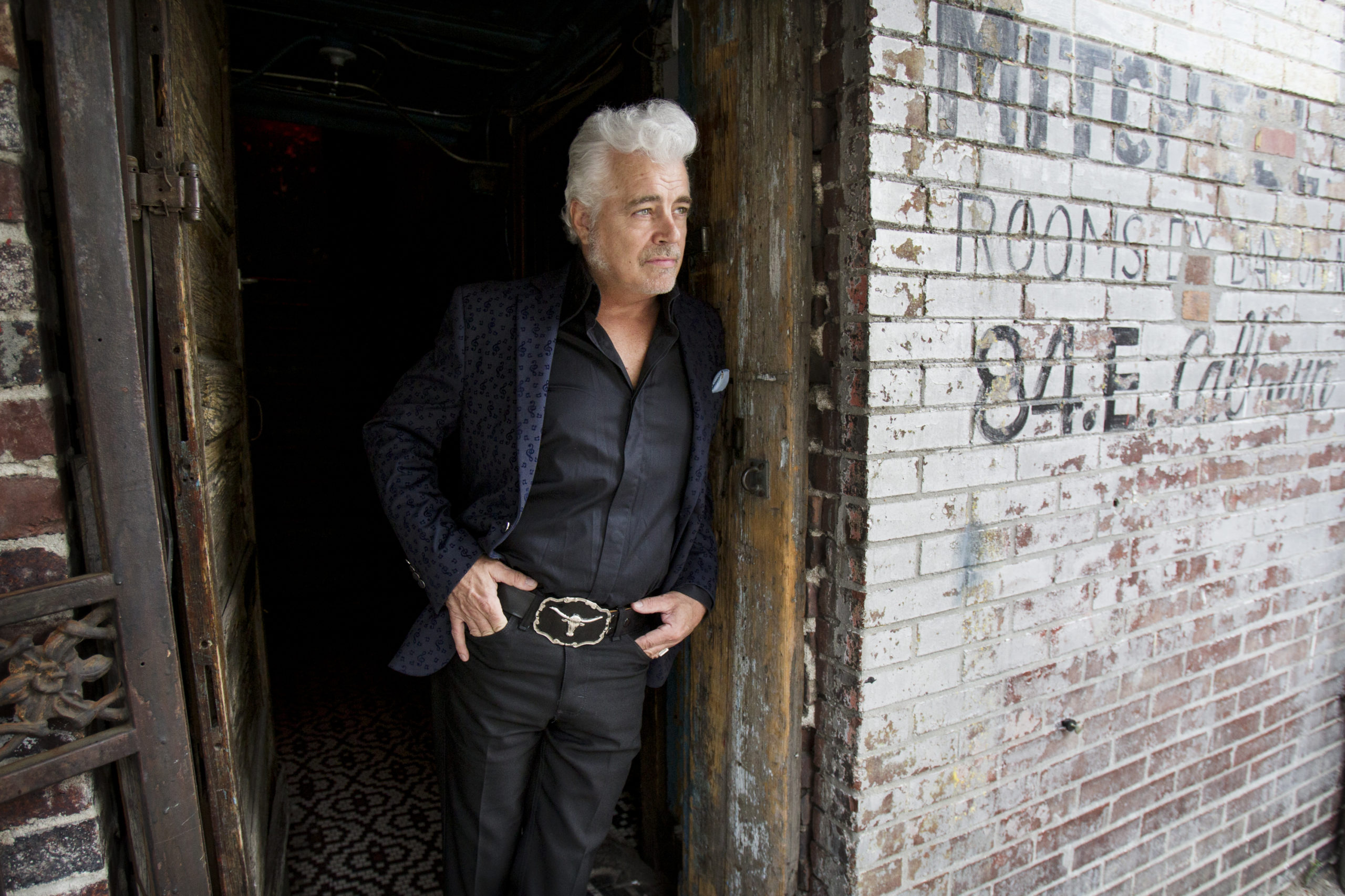
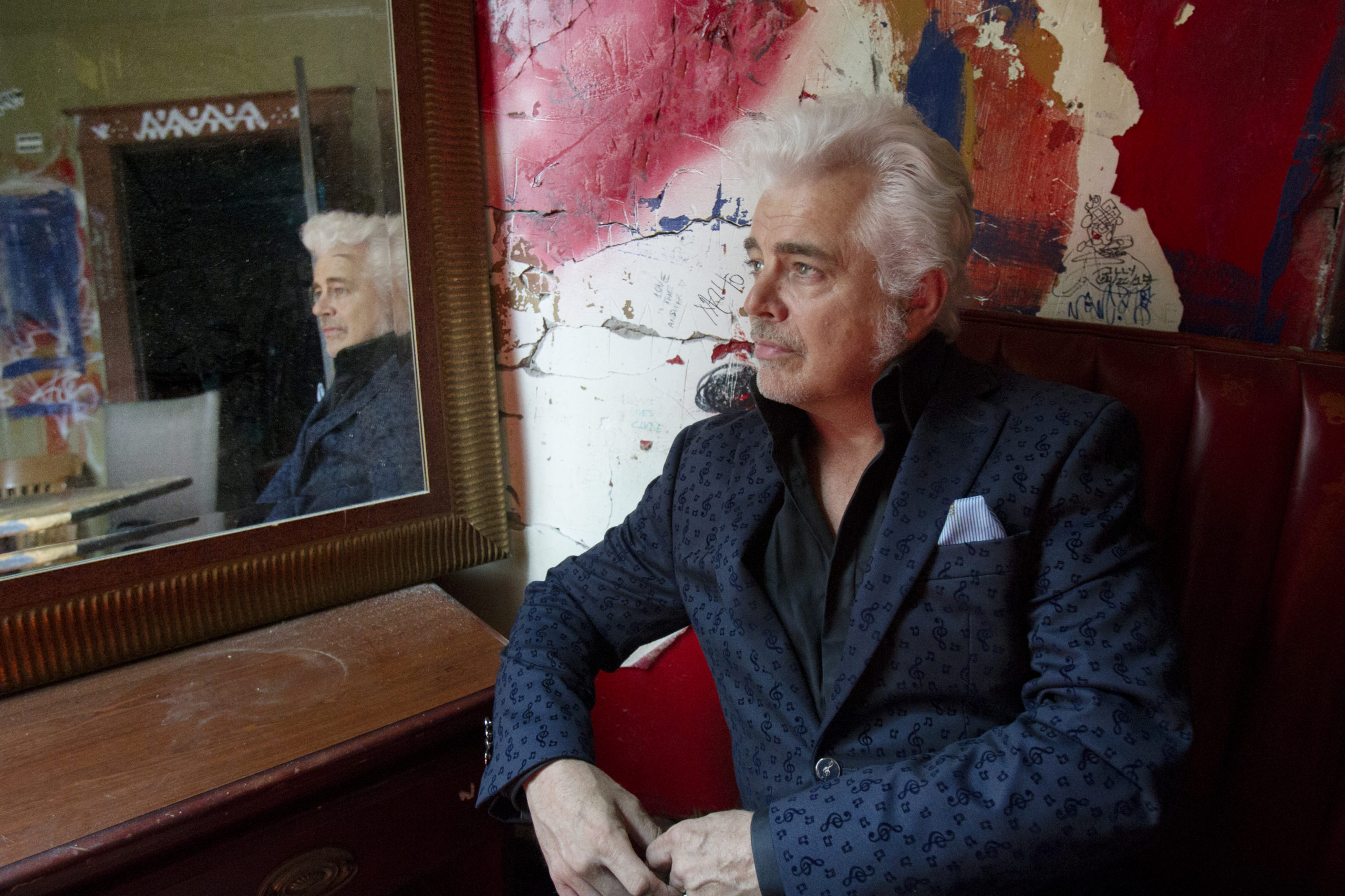
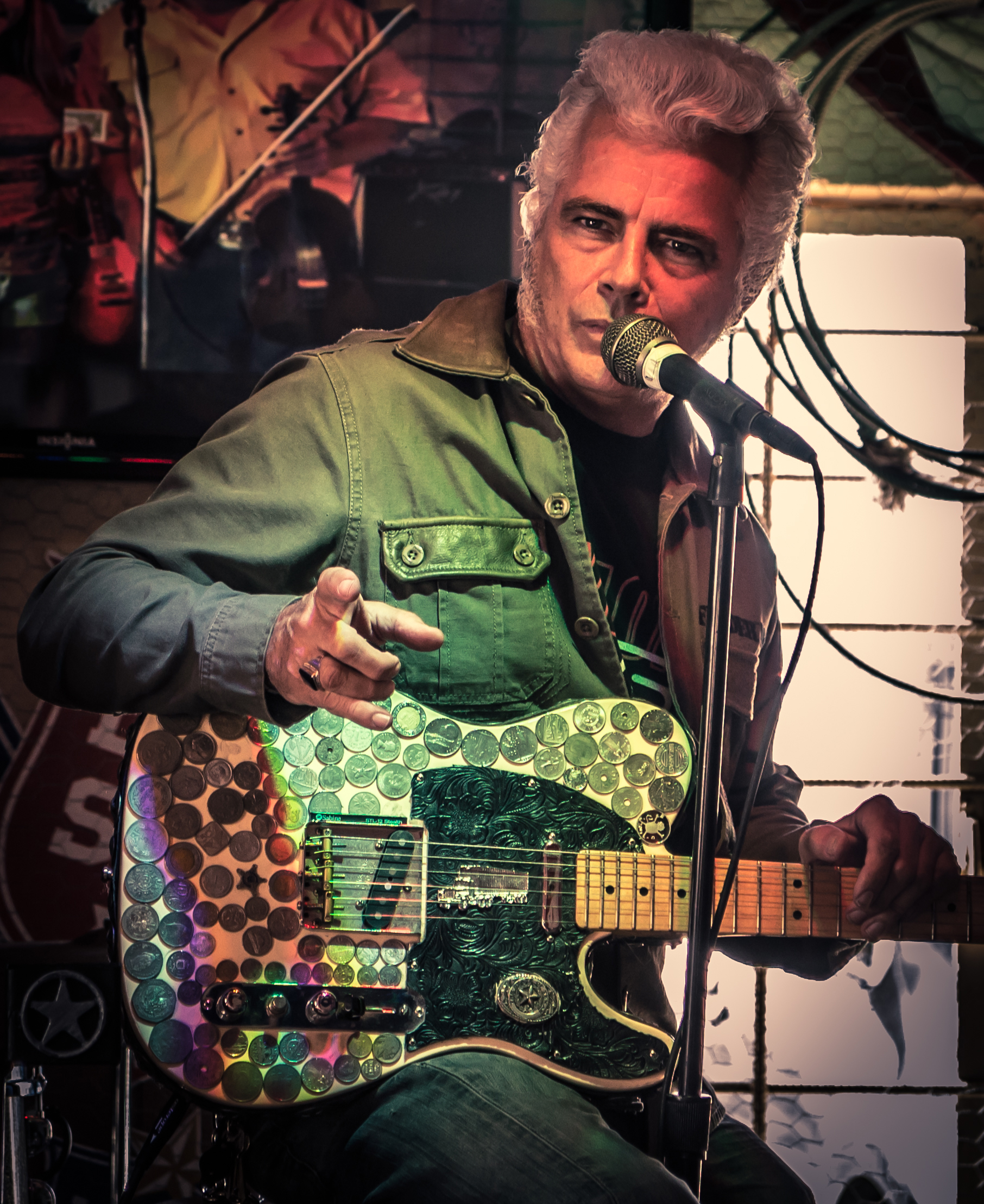
Over the last three decades, Dale Watson has been labeled as everything from alt-country to Ameripolitan. But the most humble description may come from the title of his newest album, CALL ME LUCKY, out February 15 on Red House/Ameripolitan Records.
A fixture of the Austin, Texas, music scene for years, Watson recorded all but one song on CALL ME LUCKY at historic Sam Phillips Recording studio in Memphis. The album features some of Memphis’ finest as well as Dale’s longtime band, His Lone Stars, and includes a horn section on some of the tracks. In early 2018, he bought a house there and now divides his downtime equally between Texas and Tennessee. He also sold the bars he owned in Texas and purchased the fabled Memphis nightclub Hernando’s Hideaway in an effort to provide a hospitable place for touring musicians to perform.
“Memphis is an amazing city,” he says. “It reminds me of Austin back in the ‘80s but it’s got more roots than any town I’ve ever been to, especially the musical roots. And the people that were there then, a lot of them are still there now.”
Watson wrote the song “Call Me Lucky” while thinking about two dedicated fans in Milwaukee – one blonde, one brunette – who have a tradition of taking a picture while kissing him on each side of his face. That freewheeling vibe flows throughout the project, especially when Carl Perkins’ original drummer and Johnny Cash’s only drummer, W.S. Holland, shouts out a “YES!!” at the end of “The Dumb Song,” which he he played on. The Memphis legend’s name surfaces again in “Johnny and June,” a romantic number written and sung with rockabilly artist, Celine Lee.
Throughout CALL ME LUCKY, Watson’s songwriting is so descriptive that you can almost see him cruising into Memphis as he sings “Tupelo Mississippi and a ‘57 Fairlane,” a throwback tune backed by a Memphis-style horn section. Meanwhile, a Hank Williams influence seeps into “Haul Off and Do It,” which is already a favorite in Watson’s live shows. And like the music from his musical heroes, many of the new songs clock in at roughly three minutes long – sometimes less.
“I’ve always been a fan of keeping songs short,” Watson confirms. “Long ago, I went to a library and checked out Tom T. Hall’s How I Write Songs. And in there, he said it’s not about keeping the songs short, it’s keeping the point. Make your point and get out. That’s always been my way of writing. There are some songs I’ve written that go on a bit more like a story, but I guess it’s probably my ADD that I don’t drag it out too much.
On that note, the song “Restless” fits perfectly into Watson’s repertoire. Watson wrote it in 2000, not long after his girlfriend at the time was killed in a car accident. Although he’s played it live, Watson waited until now to release it on an album. “You move on, and that’s the same thing I tell people. You gotta go through the grieving period. You do heal, and then you just don’t forget. It’s a scar and you learn to live with it. But time does definitely make it livable,” he says.
Like the country stars of the golden era, Watson remains surprisingly accessible. One day he opened an email from a fan named David Buckskimper who said he especially enjoyed Watson’s albums about truck-driving. Watson was so charmed by the folksy letter that he asked for more details about the farmer’s day-to-day life, with the reply distilled into the charming song, “David Buckskimper.” In the studio, longtime band member Don Pawlak ran his steel guitar through a Leslie keyboard, giving the down-to-earth storyline a space-age musical twist.
Watson’s crowds can inspire him on the spot, too. During a show at the Continental Club in Austin, he heard two girls at the side of the stage yelling, “Inside view! Inside view!” Watson didn’t have a song called “Inside View.” As he recalls, “They were just laughing and giggling like they had no idea what the hell they were talking about, so I just said, ‘All right, “Inside View.”’ And I wrote the song on stage. My drummer and Road Manager , Mike Bernal, usually records stuff and then sends it to me later so I can refine it, you know, to make it make more sense. So that’s how that song came about. The audience is where I get most of my ideas.”
Asked about his knack for wordplay and rhymes, Watson gives credit to a childhood watching variety shows hosted by Johnny Cash and Mac Davis. When he was 10 he started writing songs for a girlfriend who lived across the street. Those early ambitions led him from Houston to Los Angeles, then to Nashville (briefly) and finally to Austin, Texas. He’s released dozens of albums since his auspicious 1995 debut, CHEATIN’ HEART ATTACK, which helped define the alt-country movement.
On CALL ME LUCKY, Watson sings with fondness about Celine Lee on “You Weren’t Supposed to Feel This Good,” while “Mama’s Smile” would have been perfectly suited for a young Elvis. Later, Watson’s electric guitar roars on “Who Needs This Man,” a clever number about finding a date through the personal ads. He concludes the album with “Run Away,” a country-tinged tune that echoes the records Johnny Cash made in Memphis in the 1950s.
Looking ahead, Watson will once again be a featured artist on the sold-out Outlaw Country Cruise joining Margo Price, Lucinda Williams and others. He’ll then gear up for the Sixth Annual Ameripolitan Music Awards in Memphis in February. Founded and operated by Watson, the ambitious event celebrates touring roots artists who write their own music – a winning formula that Watson has embodied for more than 30 years.
“I write a lot. It doesn’t mean I write good songs, but I do write a lot of songs. So I think as with anything, you keep at it and you get better at it. But as for writing just a simple country song, I can accept that I’m good at that,” Watson says. “I’m just really, really grateful to be able to do what I do for a living, for as long as I’ve been doing it.”
Colorblind James Experience were an alternative roots/pop/rock band founded in 1980 in San Francisco, California . Bandleader and singer/songwriter/guitarist “Colorblind” James Charles Cuminale was originally from Rochester, New York but assembled early versions of what would become the Experience in Oswego, New York before relocating to San Francisco. After a couple years of mixed results there, the band regrouped and moved again–back to Rochester, which remained its home base until Cuminale’s premature death in 2001.
The band enjoyed a brief flirtation with fame in the UK and Europe after BBC DJ John Peel gave the Experience some exposure, and their music has made a deep and lasting impression. Their “Dance Critters” single reached number 10 on the UK Indie Chart, while their albums Colorblind James Experience and “Why Should I Stand Up” reached numbers 5 and 13 respectively. Often humorous and parodic–and just as often laced with a profoundly questioning spirituality–their music blended elements of polka, country, cocktail jazz, blues, rockabilly, Tex-Mex, rock & roll and other genres. The band’s sound was to a large extent inspired by the “old, weird America” famously chased by Bob Dylan and The Band during their Basement Tapes period, but other prominent influences included Ray Charles, Randy Newman, and Van Morrison.
Colorblind James Experience Red House release, Solid! Behind the Times (1992) was a witch’s brew of jug band and Stax/volt-era rhythm and blues laced with country, jazz, and manic rock guitar leads. A profound and sometimes humorous album, Solid!… captured the human relationships and bedraggled American experience.
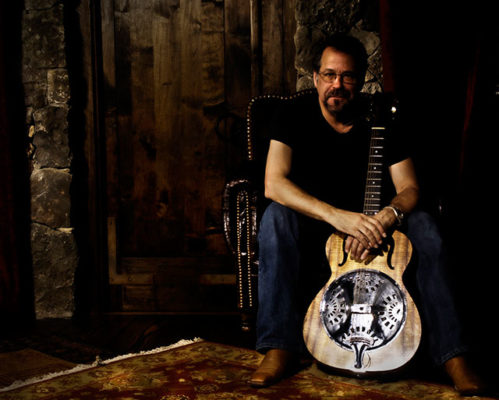
Cliff Eberhardt knew by age seven that he was going to be a singer and songwriter. Growing up in Berwyn, Pennsylvania, he and his brothers sang together and their parents played instruments. His dad introduced him to the guitar and he quickly taught himself to play. Fortunate enough to live close to the Main Point (one of the best folk clubs on the East Coast), he cut his teeth listening to the likes of James Taylor, Joni Mitchell, Bruce Springsteen, Howlin’ Wolf, Muddy Waters, Bonnie Raitt, and Mississippi John Hurt — receiving an early and impressive tutorial in acoustic music. At the same time, he was also listening to great pop songwriters like Cole Porter, the Gershwins, and Rodgers and Hart, which explain his penchant for great melodies and clever lyrical twists.
At fifteen, Cliff and his brother Geoff began touring as an acoustic duo, playing the Eastern club circuit until Cliff turned twenty-one and moved to Carbondale, Illinois. There he found space to develop his own voicewithin a vibrant and supportive music scene that included Shawn Colvin. After a couple of years there and a short stay in Colorado, Cliff moved to New York in 1978.
Because the clubs were great (the Bitter End, the Speakeasy, Kenny’s Castaway, Folk City) and the company amazing (John Gorka, Suzanne Vega, Lucy Kaplansky, Julie Gold, Steve Forbert, Christine Lavin, and Shawn Colvin), New York was an ideal musician’s boot camp. Though he put in long hours as a taxi driver, Cliff worked steadily on his music throughout the 80’s, doing solo gigs and studio work, and playing guitar on the road with Richie Havens, Melanie and others. Singing advertising jingles for products like Coke, Miller Beer and Chevrolet (“The Heartbeat of America” campaign) allowed him to devote more time to his songwriting.
In 1990 Cliff’s song “My Father’s Shoes,” appeared on Windham Hill’s Legacy collection, leading to a deal with the label. They released Cliff’s first album, The Long Road (1990), a work featuring a duet with Richie Havens. The critical response to this debut was outstanding (The Philadelphia Inquirer called the album a “repeatedly astounding collection”). He followed with two more records on Windham Hill before releasing 12 Songs of Good and Evil (1997) on Red House Records, which stemmed from a chance meeting with Red House founder Bob Feldman at John Gorka’s wedding. Cliff recorded two more albums before his critically acclaimed The High Above and the Down Below, named the #5 album of 2007 by USA Today. Produced by legendary musician and Red House Records president Eric Peltoniemi, it was recorded in Minneapolis with noted jazz players Gordy Johnson, J. T. Bates and Rich Dworsky and was his first album after spending several years recovering from a car accident. With a new lease on life and a fresh batch of songs, Cliff embarked on what has turned out to be an artistic renaissance. Recorded in the Texas Hill Country, Cliff’s new album 500 Miles: The Blue Rock Sessions may be his finest to date. An intimate album of powerful originals and unique covers, it features a reworking of his hit “The Long Road,” a song made more poignant after nearly two decades of touring and recording.
Long one of the most respected songwriters on the club scene, his peers often mine his catalog for themselves. Cliff’s song “Memphis” was included on Cry Cry Cry, an album of collaborative covers by the “folk supergroup” of the same name (comprised of Dar Williams, Lucy Kaplansky and Richard Shindell). Other performers who have recorded his songs include Richie Havens, Shawn Colvin, Russ Taff and Buffy Sainte Marie. A collection of his songs has been published in The Cliff Eberhardt Songbook (Cherry Lane Publishing).
-->