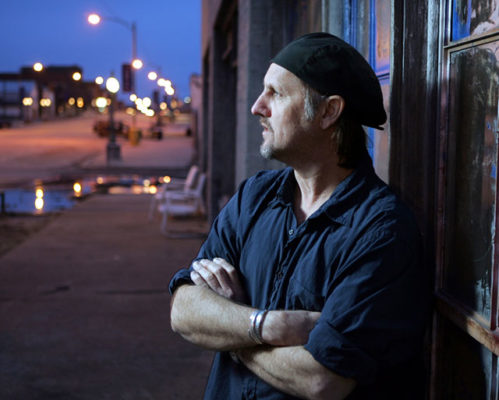
Jimmy LaFave was born in Wills Point, Texas, a small town 30 miles east of Dallas. He began school down the road in Mesquite and by Junior High was making music perched behind his Sears & Roebuck drum kit. It wasn’t long before his mother traded a drawer full of green stamps for his first guitar and the switch to singer-songwriter was in progress. His family later moved to Stillwater, Oklahoma, where he finished high school. Although he has lived in Austin for nearly 20 years, many people think of him as being from Oklahoma, because of his strong musical ties to the state and what he often refers to as its ‘red dirt music.’ It was in this landscape that he began to define his sound and soak up a combination of his experiences among authentic songwriters from the tradition of Woody Guthrie. Before leaving Oklahoma for Austin, Jimmy did some independent recording and toured the southwest with the first version of his band Night Tribe.
He moved to Austin in 1986, where he continued to write songs and to develop his musical ideas. Shortly after arriving he was asked to help launch the songwriter nights at the new performance venue Chicago House. In 1988 he recorded his self-produced tape, Highway Angels…Full Moon Rain, which won the Austin Chronicle Reader’s Poll Tape of the Year Award. This led to a recording contract with a small independent label and allowed LaFave the opportunity to work with Bob Johnston, producer of several of LaFave’s favorite albums including Bob Dylan’s Blonde on Blonde and Nashville Skyline. Although these recordings were never released, by 1990 LaFave had put together an Austin version of Night Tribe and had become, according to the Austin American-Statesman, “a perennial presence upon the Austin music scene.” In 1992 Jimmy released a self-produced CD, Austin Skyline, which drew international attention to his songwriting and vocal talents, and led to a publishing agreement with Polygram Music. Due to his growing popularity and radio play on more than 200 stations, Austin Skyline and its label, Bohemia Beat, received national distribution through the Rounder Record Group. His second album, Highway Trance was released in 1994 followed by his third CD, Buffalo Return to the Plains, in 1995.
The grass roots demand and critical acclaim for Jimmy’s music, which led to extensive touring in the United States and Europe, was recognized in 1996 when he was asked to tape a performance for the PBS musical series Austin City Limits, and was invited by Nora Guthrie to appear in Cleveland at the Rock and Roll Hall of Fame tribute to Woody Guthrie. That same year LaFave won his second consecutive Austin Music Award for Best Singer-Songwriter. His fourth CD, Road Novel, which was released in early 1997, received many glowing reviews. That year he was asked by Nora Guthrie to speak and perform at the induction of Woody Guthrie into the Oklahoma Hall of Fame. He traveled to Europe twice that year and also toured the USA and Canada and made multiple appearances on NPR’s Mountain Stage.
In the fall of 1998, Jimmy and record label President, Mark Shumate, began compiling a 15-year retrospective of bootleg tapes, live performances, radio shows and studio out takes. LaFave kicked off 1999 with the release of the CD entitled Trail. The double CD contains 31 tracks recorded in Texas and around the world. Including 12 Dylan songs, it answered the demand of fans for a ‘LaFave does Dylan’ CD. In the liner notes Dave Marsh noted:
“Jimmy LaFave has one of America’s greatest voices, and this album is the story of what he has learned to do with it. It’s a unique instrument, with startling range and its own peculiar sense of gravity, liable to swoop in and wreck your expectations at any instant.”
In 2001, Jimmy released Texoma, a celebration of the Americana spirit with a heartfelt valentine to the heartland. KGSR Program Director, Jody Denberg called it a “phenomenon.” Denberg said, ” the phones lit up immediately after it was added to the playlist, and they stayed lit.” Since the release of Texoma, Jimmy combined his solo dates with the Woody Guthrie tribute tour titled “The Ribbon of Highway – Endless Skyway,” featuring a rotating cast of Americana musicians that has included such notables as Eliza Gilkyson, Sarah Lee Guthrie & Johnny Irion, Tom Russell and Slaid Cleaves. The two-disc live album Ribbon of Highway Endless Skyway is a collection of the tour’s live performances that features some of Jimmy’s interpretations of Woody Guthrie classics.Encouraged by his friend, fellow Austin artist Eliza Gilkyson, Jimmy LaFave signed with indie label Red House Records, and in 2005 released Blue Nightfall. This stunningly soulful album was LaFave’s first in 4 years and won him much critical attention. LaFave’s album Cimarron Manifesto finds Jimmy taking a more country road, with sweet and mournful songs about life and loss and special guest appearances by Carrie Rodriguez, Ruthie Foster and Kacy Crowley.
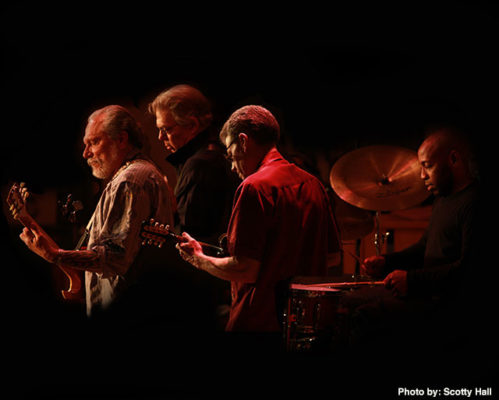
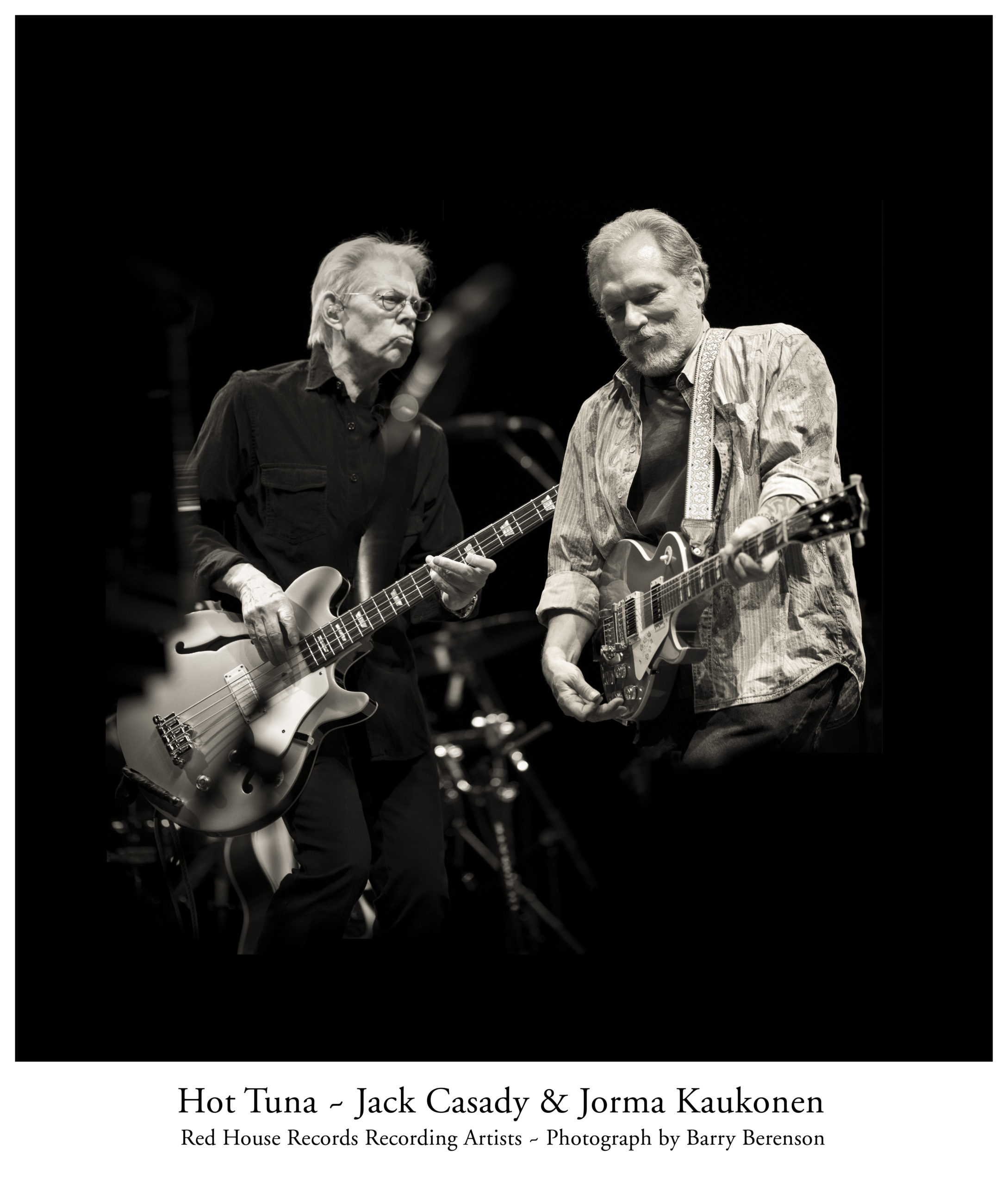
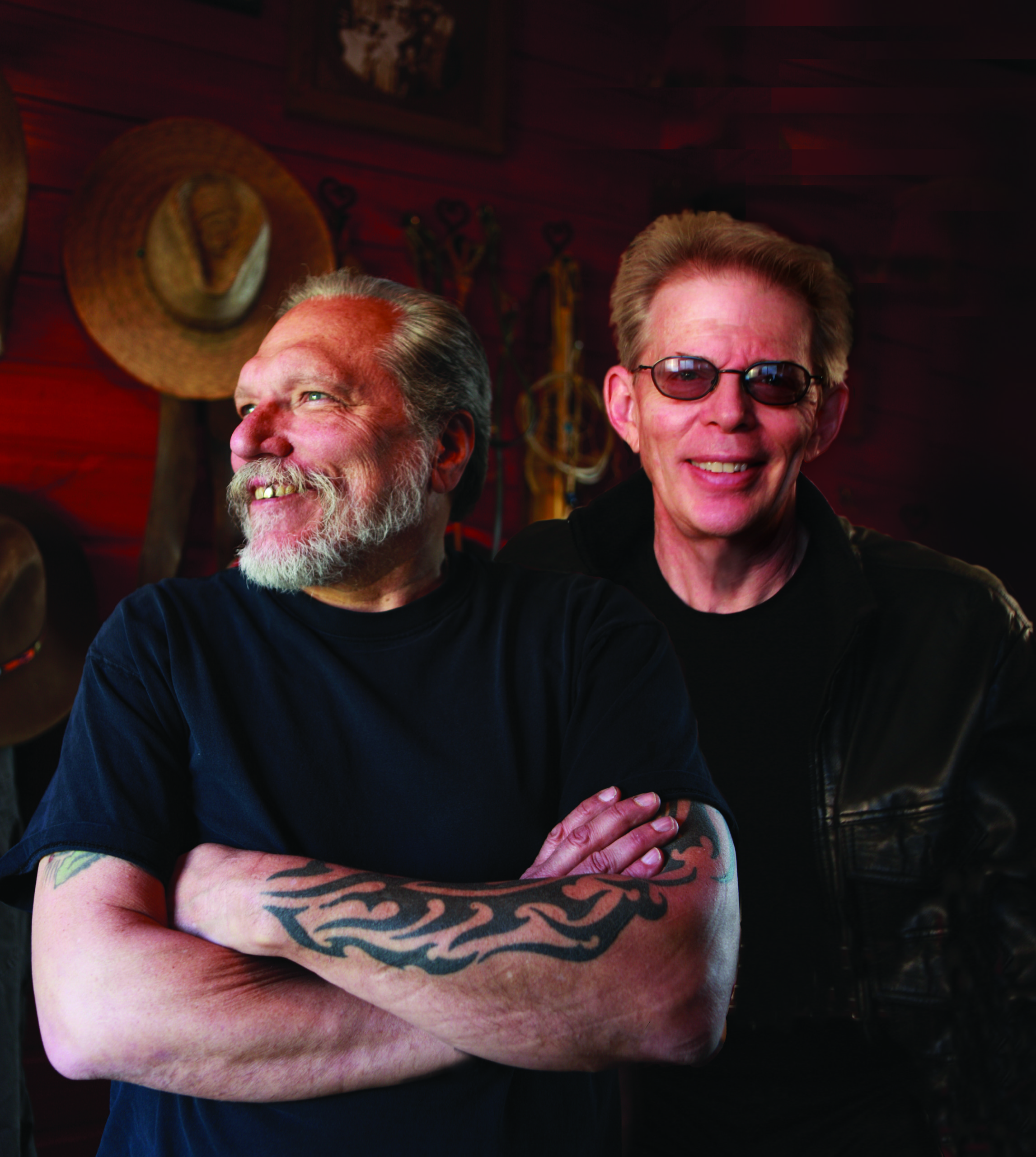
From their days playing together as teenagers to their current acoustic and electric blues, probably no one has more consistently led American music for the last 50 years than Jorma Kaukonen and Jack Casady, the founders and continuing core members of the iconic blues-roots band Hot Tuna.
Now members of the Rock & Roll Hall of Fame, the pair began playing together while growing up in the Washington D.C. area, where Jack’s father was a dentist and Jorma’s father a State Department official. While a junior and senior high student, Jack played professional gigs as lead guitarist at night before he was old enough to drive. Jorma, four years older than Jack, started college in Ohio, accompanied his family overseas and then returned to college, this time in California. Along the way, Jorma became enamored of the guitar playing of Rev. Gary Davis and became a master of his finger-picking style. Meanwhile, Jack took an interest in the electric bass–at the time a controversial instrument in blues, jazz, and folk circles.
In the mid 1960’s, Jorma was asked to audition to play guitar for a new band that was forming in San Francisco. Though an acoustic player at heart, he grew interested in the electronic gadgetry that was beginning to make an appearance in the popular music scene, particularly in a primitive processor brought to the audition by a fellow named Ken Kesey. Jorma decided to join the band and soon thereafter he summoned his young friend from Washington, who now played the bass. Thus was created the unique (then and now) sound that was The Jefferson Airplane. Jorma even contributed the band’s name, drawn from a nickname a friend had for the blues-playing Jorma. Jack’s experience as a lead guitarist led to a style of bass playing which took the instrument far beyond its traditional role.
While in The Jefferson Airplane, putting together the soundtrack of the sixties, Jorma and Jack remained loyal to the blues, jazz, bluegrass and folk influences of the small clubs and larger venues they had learned from years before. They would play together, working up a set of songs that they performed at clubs in the Bay Area, often after having played a set with the Airplane. This led to a record contract; in fact, they had an album recorded before they decided to name their band Hot Tuna. With it, they launched on an odyssey which has continued for more than four decades, always finding new and interesting turns in its path forward.
The first thing an early Hot Tuna fan discovered at their concerts of the early 1970’s was that the band was growing louder and louder. In an era in which volume often trumped musicianship, Hot Tuna provided both. The second thing a fan would discover was that Jack and Jorma really loved to play. “Look around for another band that plays uninterrupted three- to six-hour sets,” wrote reviewer Jerry Moore. What Moore could not have known was that had there been no audience at all, they would have played just as long and just as well, so devoted were they to making music. Of course, the audience wasn’t superfluous by any means; it energized their performances and continues to do so today.
Album followed album–more than two dozen in all, not counting solo efforts, side projects and appearances on the albums of other bands and performers. They continued to develop their interests and styles, both together and in individual pursuits. In an era in which old bands reunite for one last tour, Hot Tuna can’t because Hot Tuna never broke up.
Along the way, they have been joined by a succession of talented musicians: drummers, harmonica players, keyboardists, backup singers, violinists, mandolinists, and more, all fitting in to Jorma and Jack’s current place in the musical spectrum as two of America’s most important rock musicians. Rolling Stone has named Jorma one of the top guitarists of all time, while Jack is considered one of today’s most innovative electric bass players, having played with such legends as Ray Charles, Jimi Hendrix and the Grateful Dead.
After two decades of acoustic and electric concerts and albums, the 1990’s brought a new focus on acoustic music to Hot Tuna. They played more intimate venues with a more individual connection to the audience. Soon, the loud electric sound (and the semi trailer load of equipment) disappeared entirely from Hot Tuna tours. Maturity brought the desire to do things in addition to being a touring band. Both had become interested in teaching, passing along what they had learned and what they had uniquely developed to a new generation of players.
In 1998 Jorma and his wife Vanessa opened Fur Peace Ranch Guitar Camp in the beautiful rolling Appalachian foothills of southeastern Ohio. Here, on a sprawling, rustic, yet modern campus, musicians and would-be musicians come for intensive and enjoyable workshops taught by Jorma, Jack, and other extraordinary players, learning things that range from different styles of playing to songwriting, performing, storytelling and making a song one’s own. In addition, they started BreakDownWay.com, a unique interactive teaching site that brings their musical instruction to students all over the world.
In addition to their teaching, Jorma and Jack continue to tour as much as ever, both as a band and as solo performers. Jack released his first solo CD, Dream Factor, on Eagle Records in 2003. Jorma has released many solo albums over the years, including his legendary album Quah, his Grammy-nominated Blue Country Heart and two highly acclaimed releases on Red House Records.
For the last few years, Jorma and Jack have been joined in most of their Hot Tuna performances by the mandolin virtuoso Barry Mitterhoff. A veteran of bluegrass, Celtic, folk, and rock-influenced bands including Tony Trischka and Skyline, Hazel Dickens and Bottle Hill, Barry has found a new voice in working with Hot Tuna, and the fit has been good. Watching them play together, it’s as if he’s been there from the beginning. In addition to rounding out their acoustic sound, Barry brings out a wide array of electric mandolins and similar instruments that most people have probably never seen or heard before.
The newest member of Hot Tuna is the brilliant and exciting young drummer Skoota Warner, who already had a career few would dare aspire to when he joined the band in 2009. Like many in the blues-inspired music world, his musical life began in church, in his hometown of Newnan, Georgia. From there he traveled to New York, where he studied with and/or worked with a virtual who’s who of rock, funk, blues, and jazz musicians, including Cyndi Lauper, Matisyahu, Mary J. Blige and Santana. Recent Hot Tuna concertgoers can attest that watching Skoota and Jack heading off into the wild blue musical yonder is worth the price of admission all by itself. Says Jorma, “I have never felt more at home with a drummer than I do now with Skoota.”
Jorma and Jack certainly could not have imagined, let alone predicted, where playing would take them. It’s been a long and fascinating road to numerous exciting destinations. Two things have never changed: They still love to play as much as they did as kids in Washington D.C., and there are still many, many exciting miles yet to travel on their musical odyssey.
For more about Hot Tuna and for their full tour schedules visit them online: www.hottunaband.com – www.jackcasady.com – www.jormakaukonen.com

Eliza Gilkyson is a politically minded, poetically gifted singer-songwriter who has become one of the most respected musicians in folk and Americana music circles. The daughter of legendary songwriter Terry Gilkyson, Eliza entered the music world as a teenager, recording demos for her father. Since then she has released 20 recordings of her own, and her songs have been covered by such notables as Joan Baez, Bob Geldof, Tom Rush and Rosanne Cash.
The Grammy-nominated songwriter has appeared on NPR, Austin City Limits, Mountain Stage, etown, XM Radio, Air America Radio and has toured worldwide as a solo artist and in support of Richard Thompson, Patty Griffin, Mary Chapin Carpenter, Dan Fogelberg, as well as with the Woody Guthrie review, Ribbon of Highway-Endless Skyway, alongside the Guthrie Family, Jimmy Lafave, Slaid Cleaves, and special guests Pete Seeger, Jackson Browne and Kris Kristofferson. She has been inducted into the Austin Music Hall of Fame alongside such legends as Willie Nelson, Townes Van Zandt and Nanci Griffith and is an ongoing winner of the Austin Chronicle’s various music awards, as well as Folk Alliance awards for Best Artist, Best Songwriter and Record of the Year.
Her CD Land of Milk and Honey was nominated for a GRAMMY for Best Contemporary Folk Album. Eliza’s meditative “Requiem,” written as a prayer for those who lost their lives in the devastating tsunami in Southeast Asia, was recorded by the nationally recognized choral group Conspirare, whose version was nominated for a Grammy and won the prestigious Edison Award in Europe. The song has become a standard in choir repertory the world over. Two of her songs appeared on Joan Baez’s Grammy-nominated CD, Day After Tomorrow. In addition to touring in support of her previous release, Roses at the End of Time, in 2011 and 2012 Eliza and label-mates John Gorka and Lucy Kaplansky performed as “Folk Super Trio” Red Horse, a side project whose CD stayed for months at the top of the Folk Music Charts. Eliza recently was invited to contribute a track on the 2014 Jackson Browne tribute, Looking Into You, along with Bruce Springsteen, Don Henley, Sara Watkins, Bonnie Raitt, Shawn Colvin and others. She received her second GRAMMY folk nomination in 2015 for her album The Nocturne Diaries. In early 2018, Joan Baez covered Eliza’s song “The Great Correction” on her covers album Whistle Down the Wind. Eliza’s 20th album, Secularia, is set for a summer 2018 release.
Eliza is an active member of the Austin music and political community, including the environmental organization Save Our Springs (www.sosalliance.org), and she is a co-founder of www.5604manor.org, an Austin-based activist resource center that promotes political activism and community involvement around issues of race, patriarchy and global injustice.
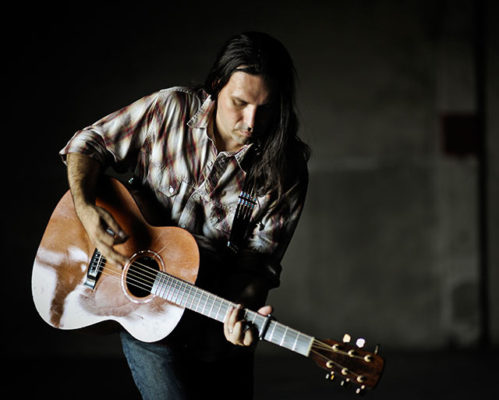
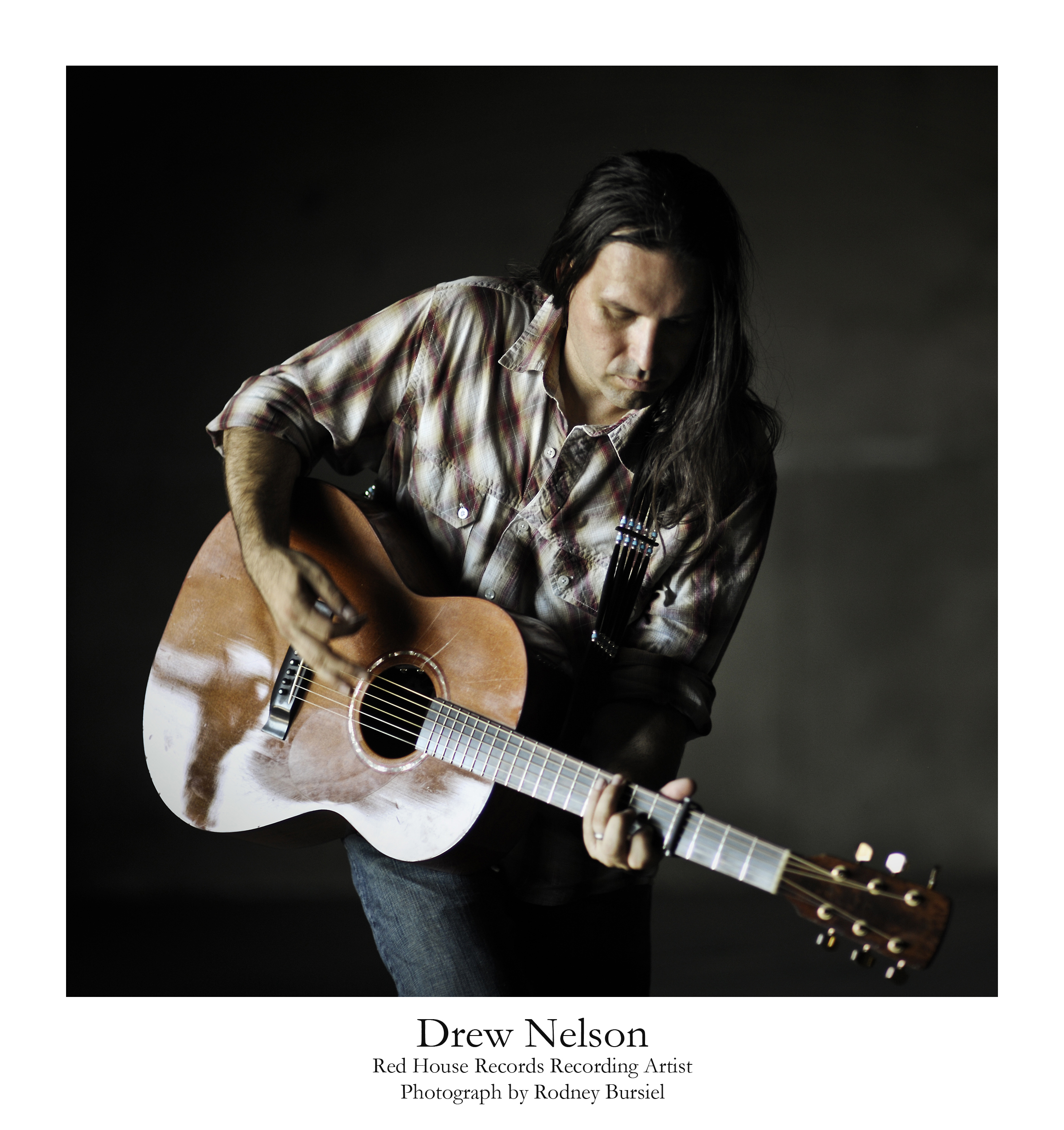
Michigan-born Navy veteran Drew Nelson is a storytelling songwriter and multi-instrumentalist. A fly fisherman and world traveler, he writes as a witness to the lives and journeys of those he has met along the way, mixing Americana and roots-rock with traditional folk styles.
Drew has toured across North America and Europe, performing solo and opening for popular rock artists like Melissa Etheridge and Edwin McCain as well as esteemed folk singers like Josh White Jr. and John Gorka.
He first met John Gorka in 2006, when Drew performed as part of Falcon Ridge Folk Festival’s prestigious songwriting contest. John found him backstage after his performance and told him how much his songs moved him. Since then, Drew has shared the stage with John several times, including at such big events as the Kerrville Folk Festival. “Drew Nelson is one of my favorite new artists,” John Gorka says. “His songs sound like the rest of us feel….dazed, angry amazed and climbing.”
Drew garnered further attention in 2009, when he released Dusty Road to Beulah Land (Waterbug Records), which topped the folk radio charts and caught the attention of the Grammy-winning indie label Red House Records.
“I love that Drew can rock out as well as write sensitive ballads,” Red House president Eric Peltoniemi says. “I admire his down-to-earth songwriting which portrays our world and ordinary people with such deep feeling and unflinching clarity. He has worked hard in life and hasn’t been afraid to get his hands dirty. He has 100% credibility in the subject matter he writes about, and I’m excited to get the chance to work with him.”
Drew’s Red House debut Tilt-A-Whirl comes out in early 2012. He can also be heard on the new album Dark River: Songs of the Civil War Era, along with Jon Dee Graham, Slaid Cleaves, James McMurtry and new label-mate Eliza Gilkyson.
When Drew is not on the road, he enjoys reading, rooting for the Detroit Tigers, doing hot yoga and working as an amateur luthier, building guitars and octave mandolins. He is also working on putting together a photography show.

Raised on a beef and wheat farm in North Dakota by folk musicians, Andra Suchy began touring and performing at festivals at a young age. Classically trained and a veteran of musical theater, the guitar-playing singer moved to Minneapolis in 1996, where she has gone on to make a name for herself as one of the finest vocalists around.
A regular performer on the national radio show A Prairie Home Companion, Andra has performed around the world, singing with such artists as Brad Paisley, Mindy Smith, Emmylou Harris, Chris Thile and soprano Renee Fleming. She has recorded with a wide range of indie, rock, blues and folk acts, including The Honeydogs, Jonny Lang, Peter Ostroushko and Soul Asylum’s Dave Pirner.
Full of infectious originals, Little Heart is a twang-tinged mix of country, rock, folk and blues, this album shows that Andra is poised to become the next big voice in country, Americana and roots music.
When not on the road, Andra knits, practices Bikram yoga, bakes bread and performs around Minnesota.
-->