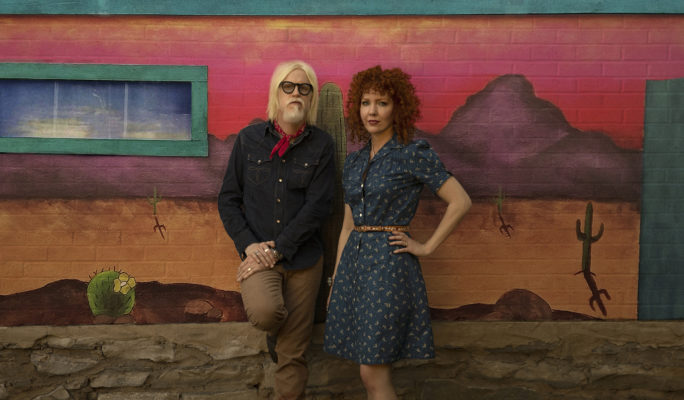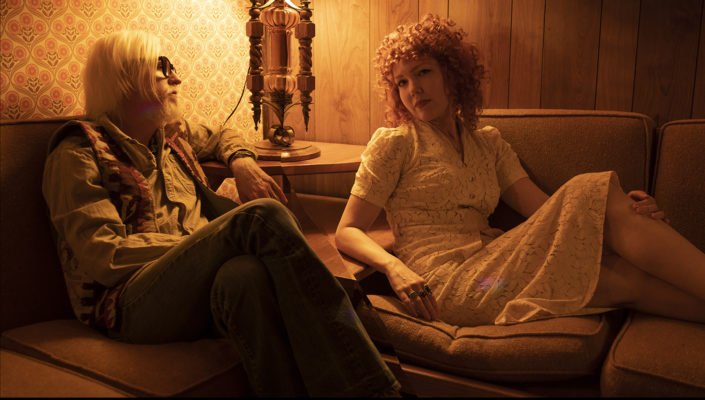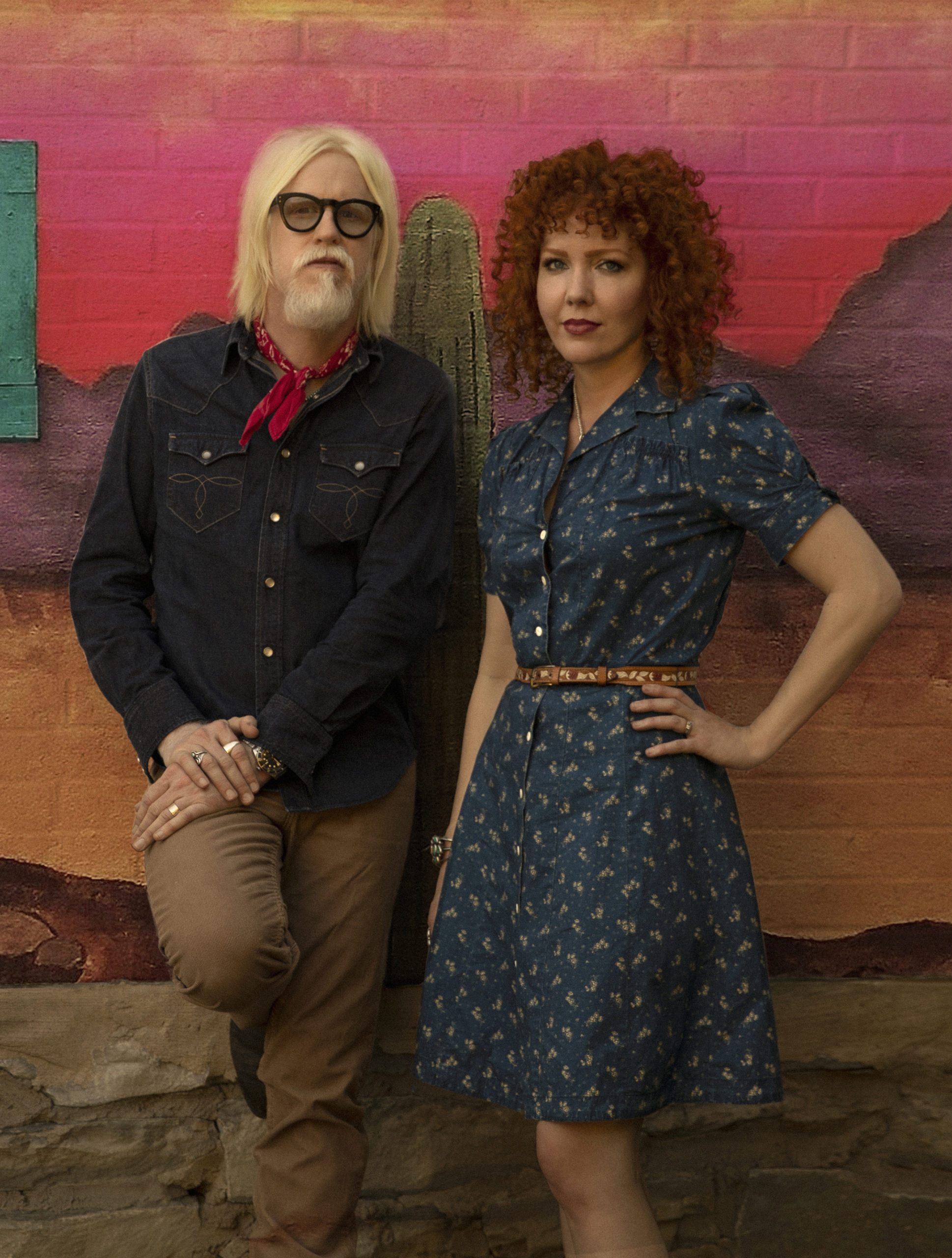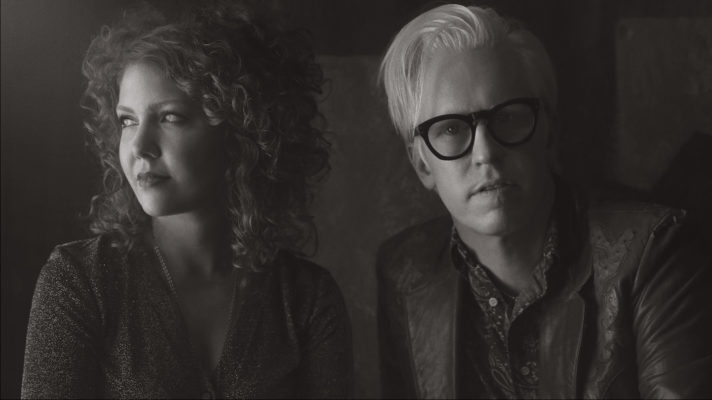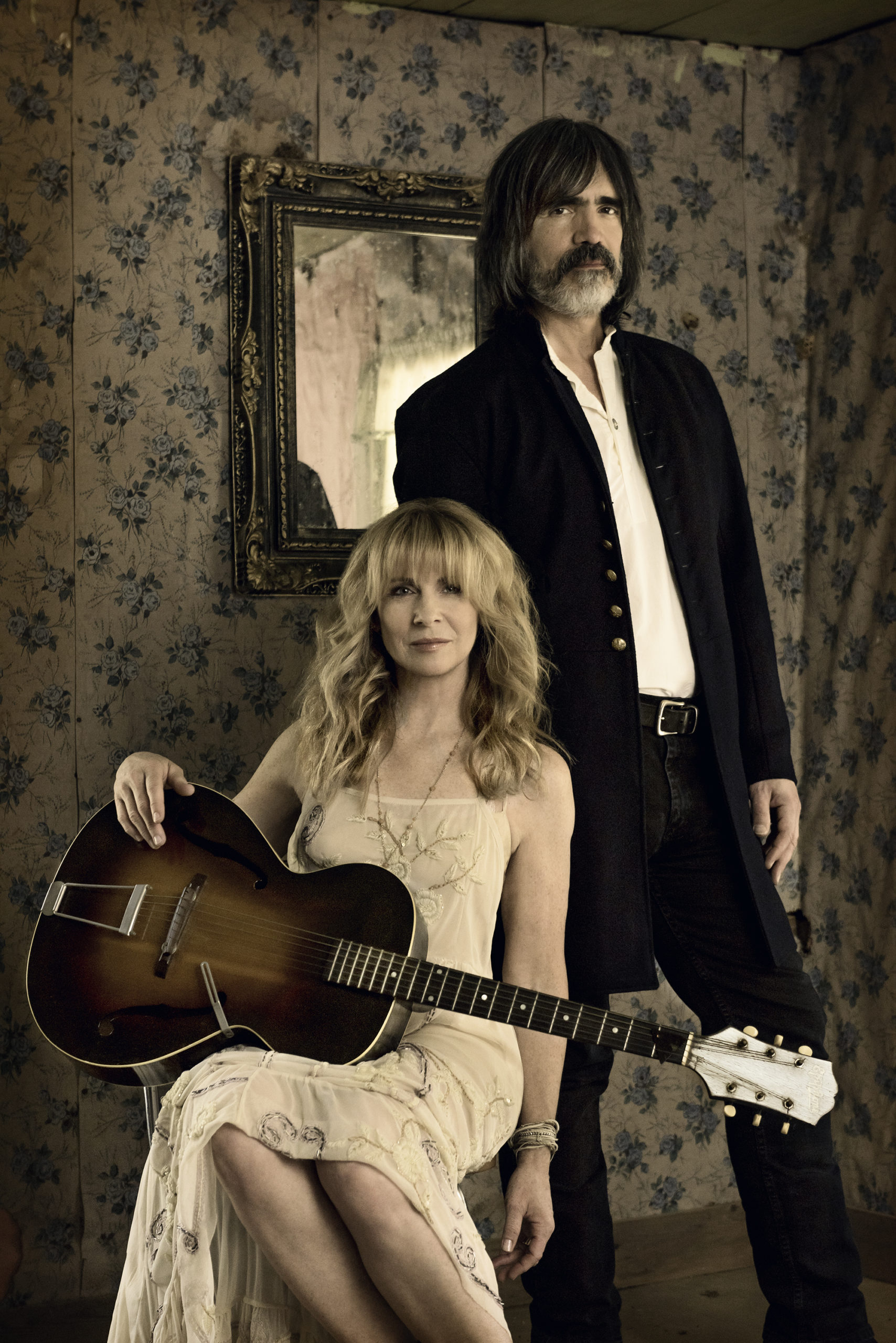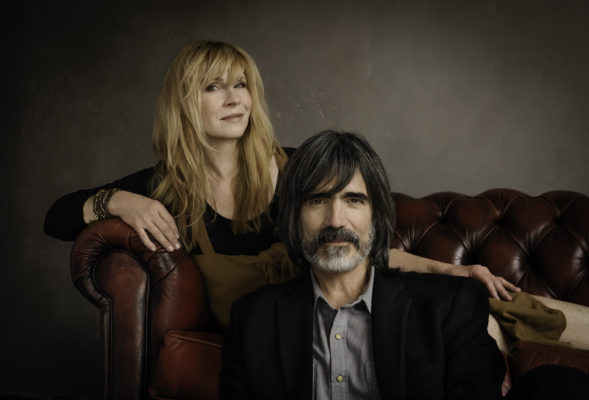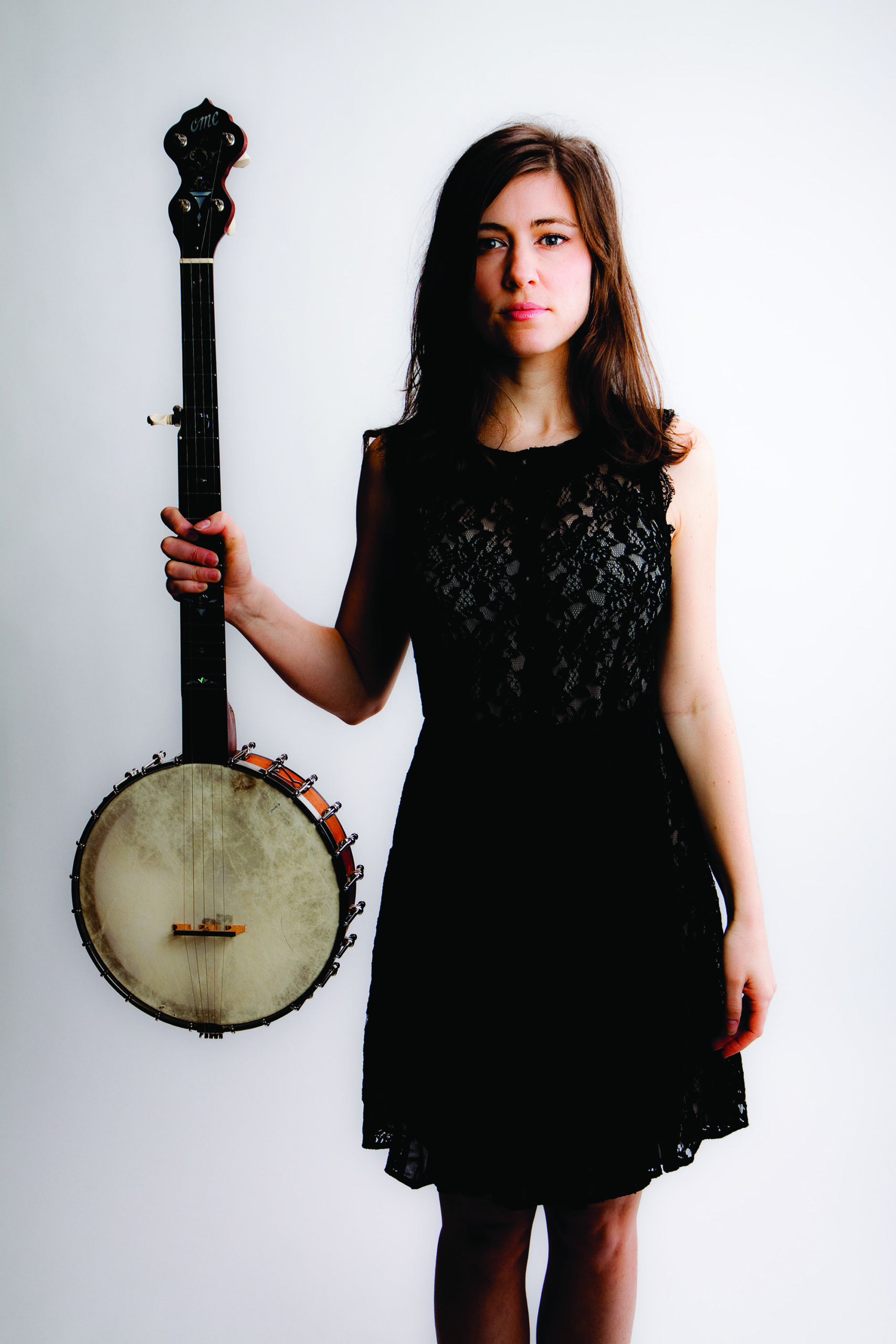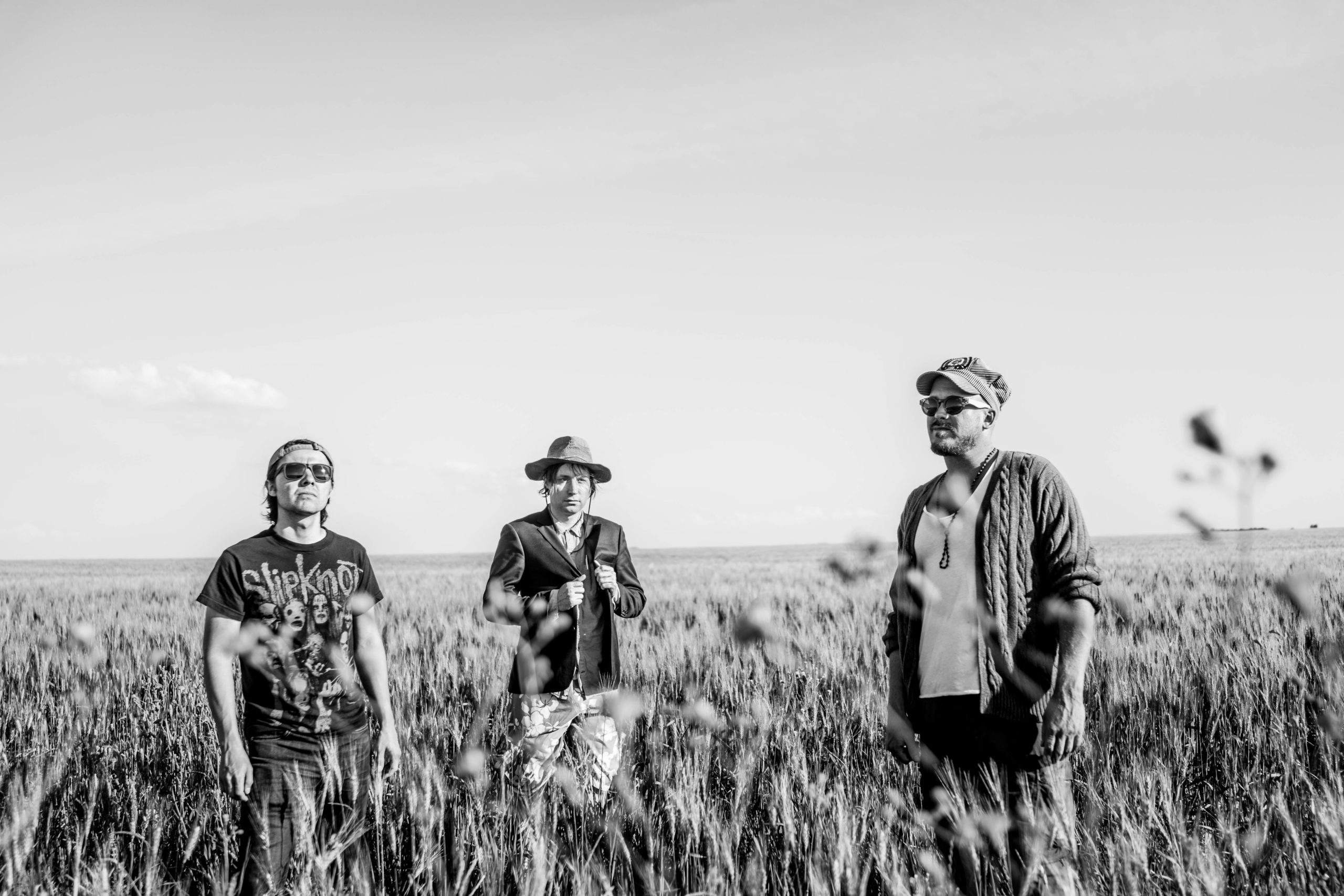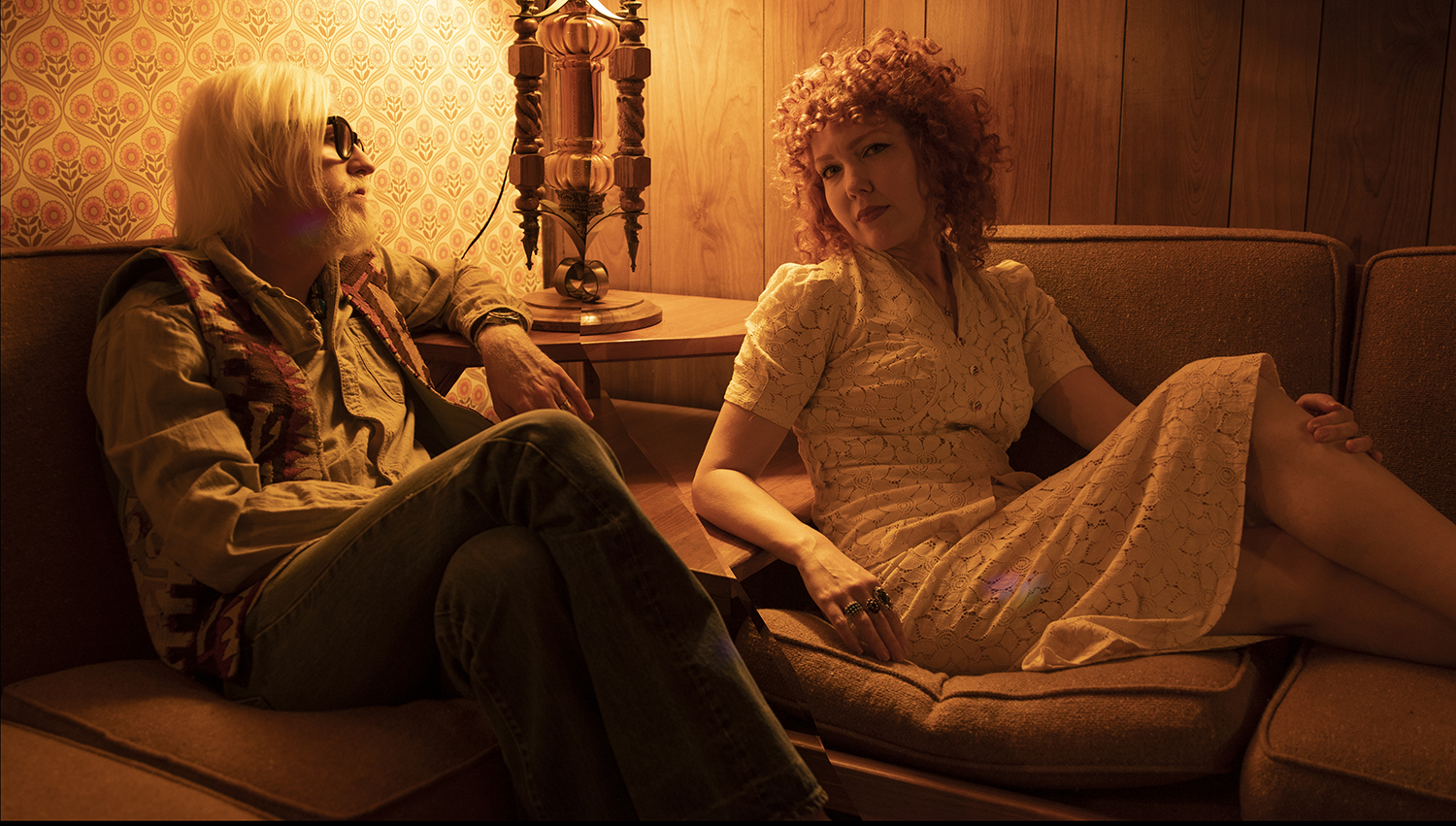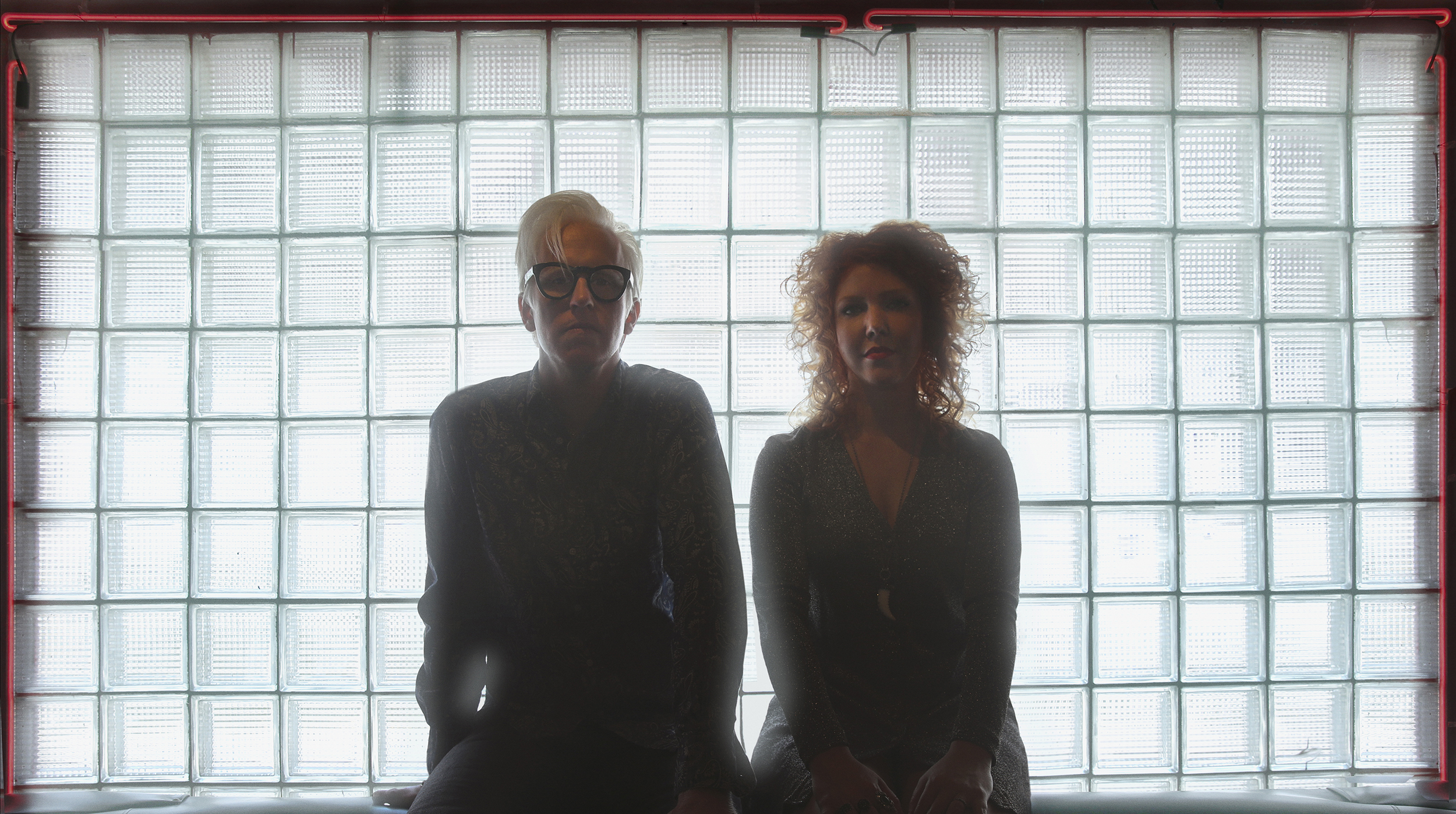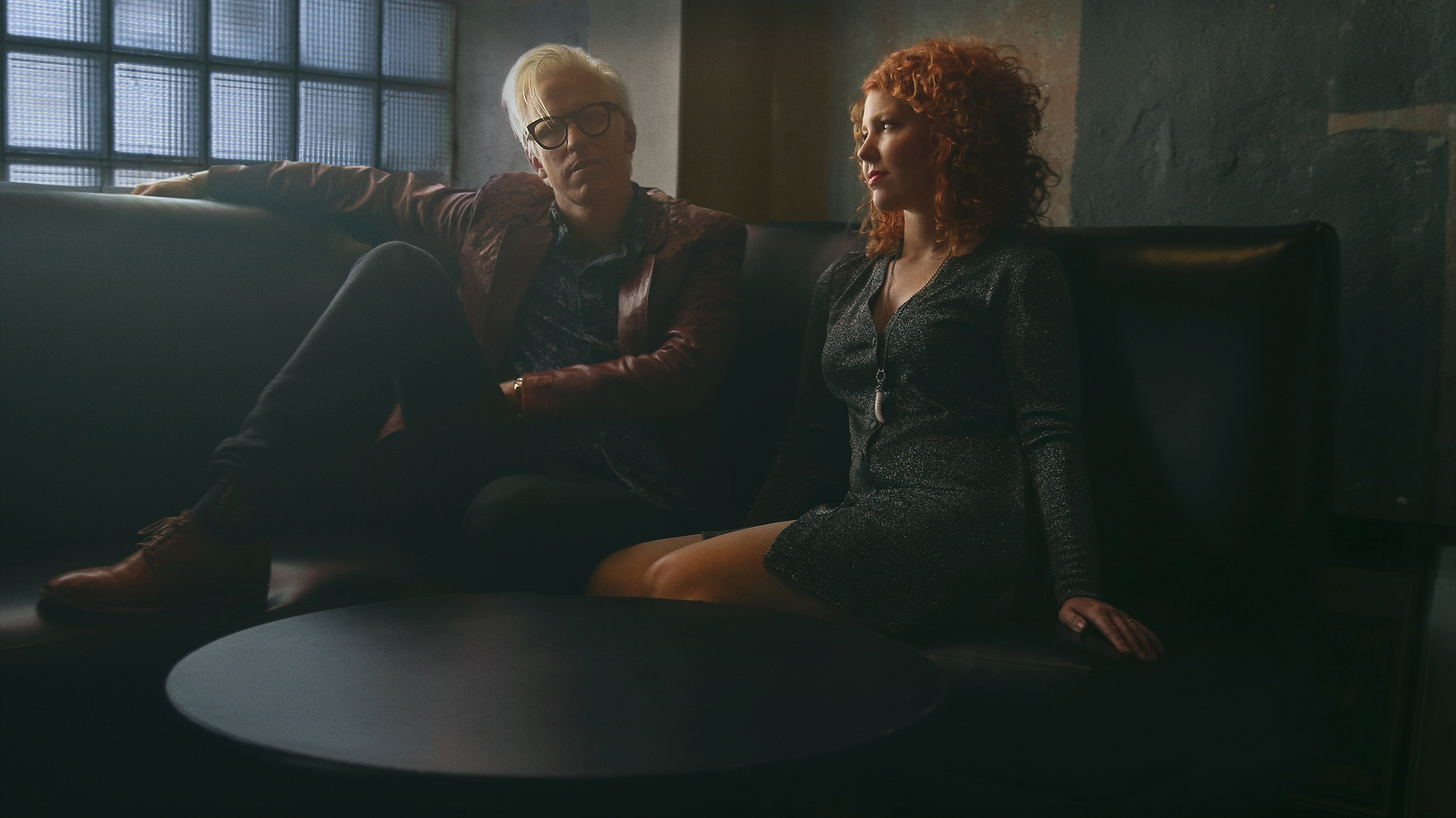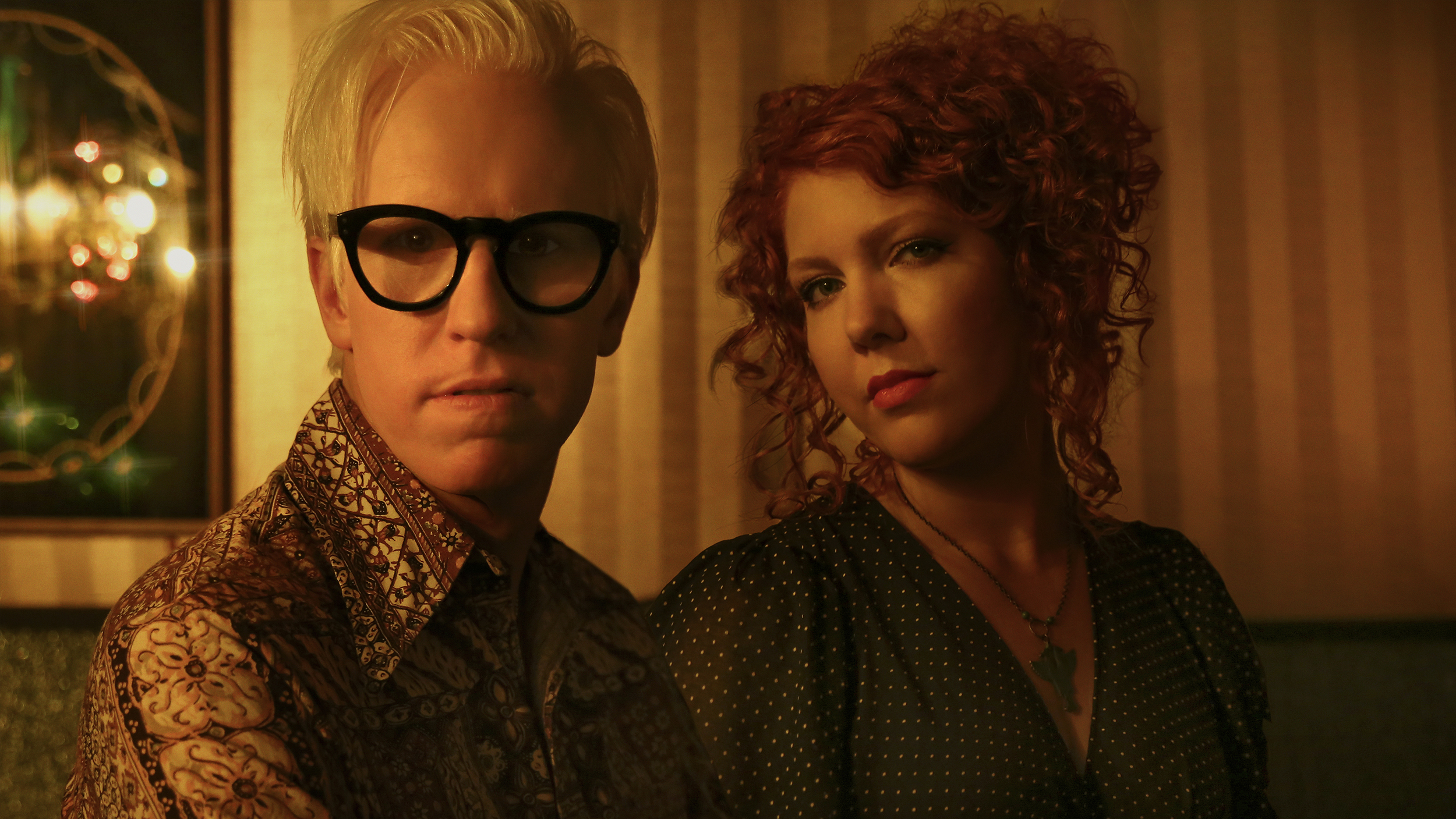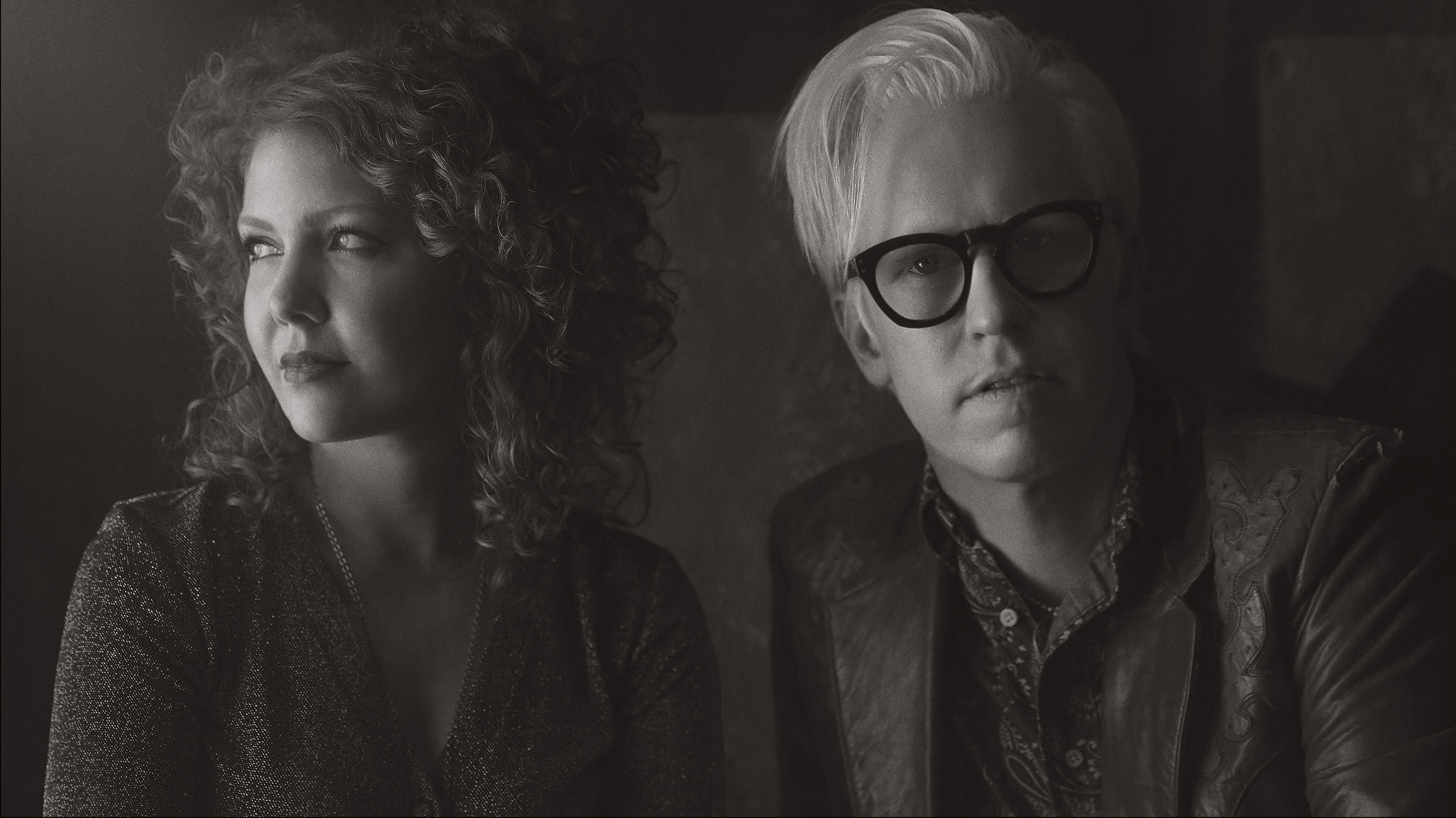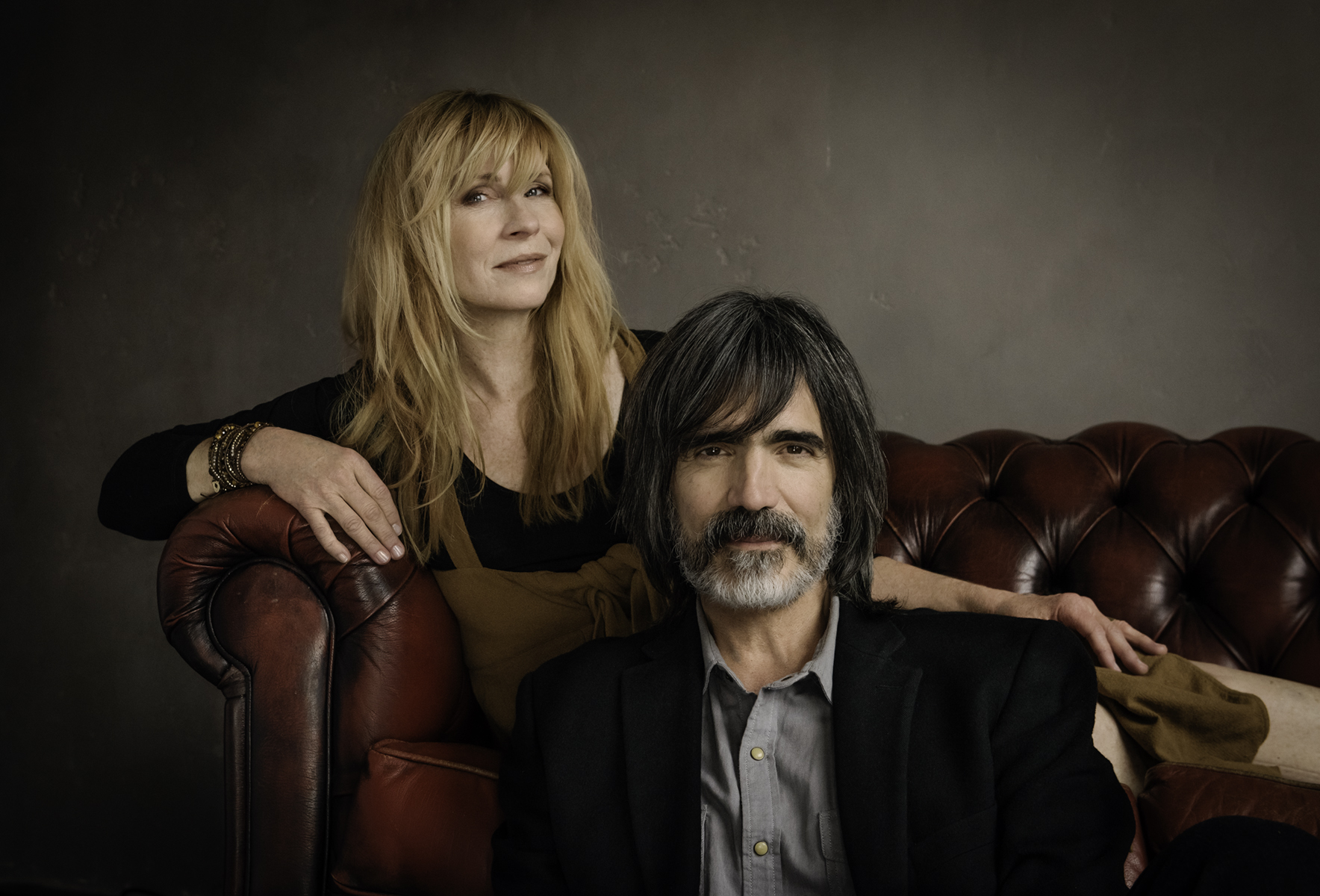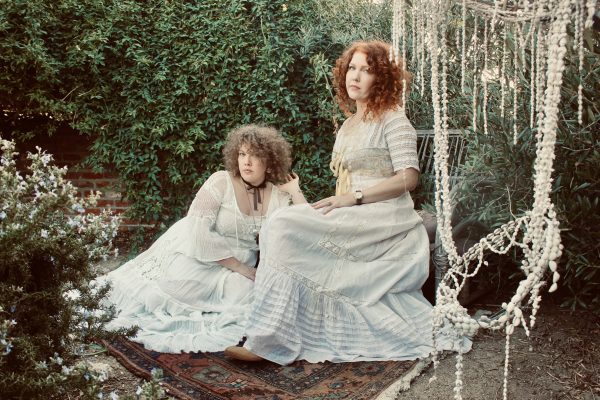
Ghosts are always with us, waiting for the right moment, or reason, to reveal themselves. Then a song, a stretch of road, or someone’s laughter hits your ear, and suddenly you’re back in the moment, feeling the rush of emotions as if time never moved on. For Eleanor and Bonnie Whitmore, two of roots music’s most accomplished songwriter/instrumentalist/vocalists, the ghosts chose to appear right as Covid became entrenched — when live music evaporated and people were isolated from each other. The songs they conjured became The Whitmore Sisters‘ debut album, GHOST STORIES, out January 21, 2022 on Red House Records. The album was produced by Chris Masterson.
Bonnie, whose four solo albums are all state-of-a-real-woman’s-heart jewels, decided to join sister Eleanor and her husband Chris Masterson in their Los Angeles closed circle for a break during quarantine this past year. Chris, who’s recorded four albums with his wife as The Mastersons, saw the visit as an opportunity to issue a practical mandate: If Bonnie was coming, it was time for the sisters to make an album. Not just an album, but “the album” — the musical inevitability that’s been simmering since a 22-year-old Eleanor was protecting her curly headed 15-year-old sister at gigs in local bars. The collection, along with two covers — a song by their pal Aaron Lee Tasjan (“Big Heart Sick Mind” and “On the Wings of a Nightingale” (written by Paul McCartney for iconic sibling duo The Everly Brothers) — complete GHOST STORIES.
“We’ve had a lot of loss, a lot of ex and dead boyfriends, a lot of friends that have passed on – and writing about the grief, especially working towards this record, there’s been a lot to consider.”
The sisters’ closeness and unconventional upbringing, not to mention their melodic sensibility and pure blood harmonies, create something truly special.
“We have all these things that make us us,” Bonnie says. “Our mother was an opera singer; our father was a folk singer. When I heard Ian & Sylvia for the first time, I didn’t realize that song wasn’t our parents. That’s how we discovered music.”
Trained to fly as girls by a father who was an accomplished Navy Air carrier pilot, they were exposed to amphibious planes, jets, props and all sorts of aviation possibilities. Consequently, The Whitmores see the world from an above-the-world perspective. Marveling at the whimsy that comes with flying, they also acknowledge that flight allows you to see things in larger ways and make connections that can’t be seen any other way.
Opening with the languidly sweeping “Learning To Fly,” the lush power-pop feel buoys The Whitmores’ dizzying close harmonies. Explaining the lessons absorbed from flying, it serves as a metaphor for coping with life without losing the beauty.
“You see things from a different perspective,” Bonnie says. Laughing, Eleanor joins in. “I was practically born in an airplane! In our family, you fly a plane, you sing and you play an instrument. You just do. My Dad was an airline pilot, so it’s not just a means of transportation to us.”
They laugh now about their close bond, joking about the time they went through a sisterly “divorce,” which Bonnie confesses was instigated by a “total lack of boundaries” towards her big sis. But their oddly beautiful, shared life experiences make GHOST STORIES inevitable. Eleanor explains the friction then and now, “We’re very much alike. It was part of the problem in the beginning, but now it’s a strength.
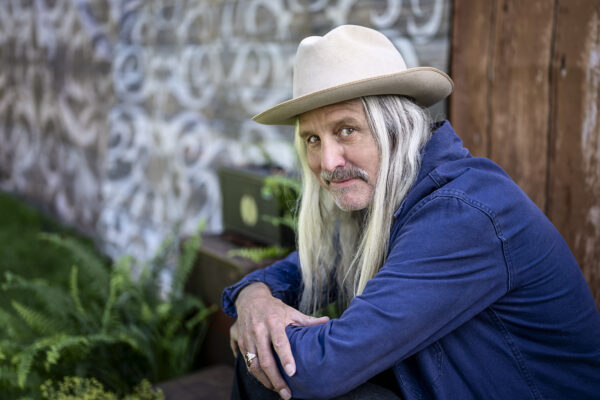
A dude named Steve Poltz (me) in East Nashville wakes up one morning and gets a call from another dude in East Nashville named Dex Green. Dex says, “Hey man, you live so close. You oughta come over and make some music. Maybe we’ll document it — who knows, maybe it’s a record.”
Capturing me in a studio is like convincing a whirling dervish to stop spinning long enough to sign a bill into law. It’s chaos, caffeine, and accidental poetry — art colliding with microphones and commerce in a glorious mess. That’s how JoyRide happened. No seatbelts, no helmets. Just unsaturated, unadulterated art. Real humans making real noise in real time.
JoyRide is my 14th solo album (not counting the Rugburns records, live things, and bootlegs floating around). I tour nonstop, so I usually have to be tricked into a studio under the guise of “just one song.”
The record opens with “If It Bleeds It Leads” — my kinda classic mischief: “I can never watch the news with you because you yell back — you scream like they can hear you in the television set.”
Then comes “Petrichor,” inspired by the beautiful smell after it rains. (I later discovered Phish has one too, but mine’s the barefoot cousin at brunch.)
“At It Again” follows, a cosmic co-write with my brother-from-another-meerkat, Jim Lauderdale, featuring Bryan Owings and Chris Donohue (Emmylou Harris’s rhythm section).
The title track “JoyRide” feels like a warm hug after a long road trip: “Free hugs, no shrugs, wrong drugs, bedbugs. Smiles, laughter, for here ever after.”
Side one ends with “The Son Of God.” A nutso magutso track of a conversation I may or may not have had with Jesus.“ I get to play both parts — Myself AND Jesus:
“The son of God contacted me about buying some Funk and Wagnalls encyclopedias. I said hello who’s this?”
“It’s Jesus”
“Jesus who?”
“Jesus H. Christ. God’s son.”
“How’d you get my number?”
“I have everyone’s number.”
“Even Liberace?”
“He’s on dead people’s speed dial.”
I will probably get crucified for this song, but hopefully it will be an AI video made by an angry man living in his mom’s basement.
Side two kicks off with “Love a Little Bigger” — a rowdy co-write with Vince Herman of Leftover Salmon. It opens with: “Jacob took a hammer and he went up a hill, built a nice house for his best friend Bill…” and ends with a sing-along reminder to forgive faster and swim more often.
“Fixin’ Up” (track seven) is my secret favorite — like a quarter from the Tooth Fairy you gotta dig around for.
“New Tattoo” follows — about a dude who got his lover’s face inked on his own face. (Bad plan, good song.)
“Brand New Liver” imagines swapping out your old one like a water pump instead of quitting drinking.
And then comes the closer: “Hairlift.” That one has my favorite line I’ve ever written: “I used to play ping pong with my old friend Mao Zedong. I thought he told me I was well hung, but he was speaking in the mother tongue.”
That’s JoyRide. Ten songs, no filter, no seatbelt, no map.
Big thanks to Dex Green for being the musical trickster who lured me into the studio.
Party on, weirdos.
According to Wikipedia, Steve Poltz (me) is a Canadian-American singer-songwriter and guitarist. He is a founding member of the indie-rock band the Rugburns and collaborated on several songs with singer Jewel, including the 1996 single “You Were Meant for Me”, which reached #2 in the US.
— Steve Poltz, East Nashville
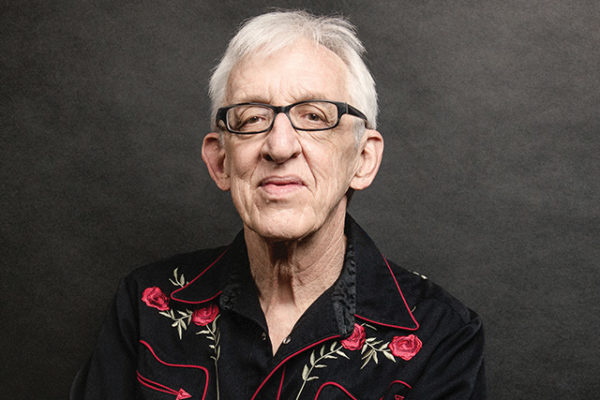
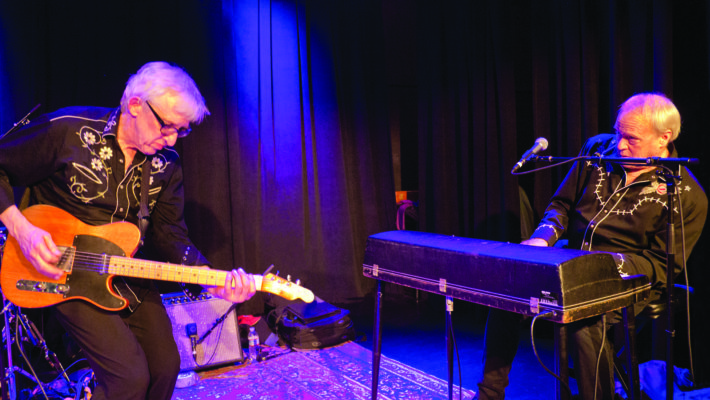
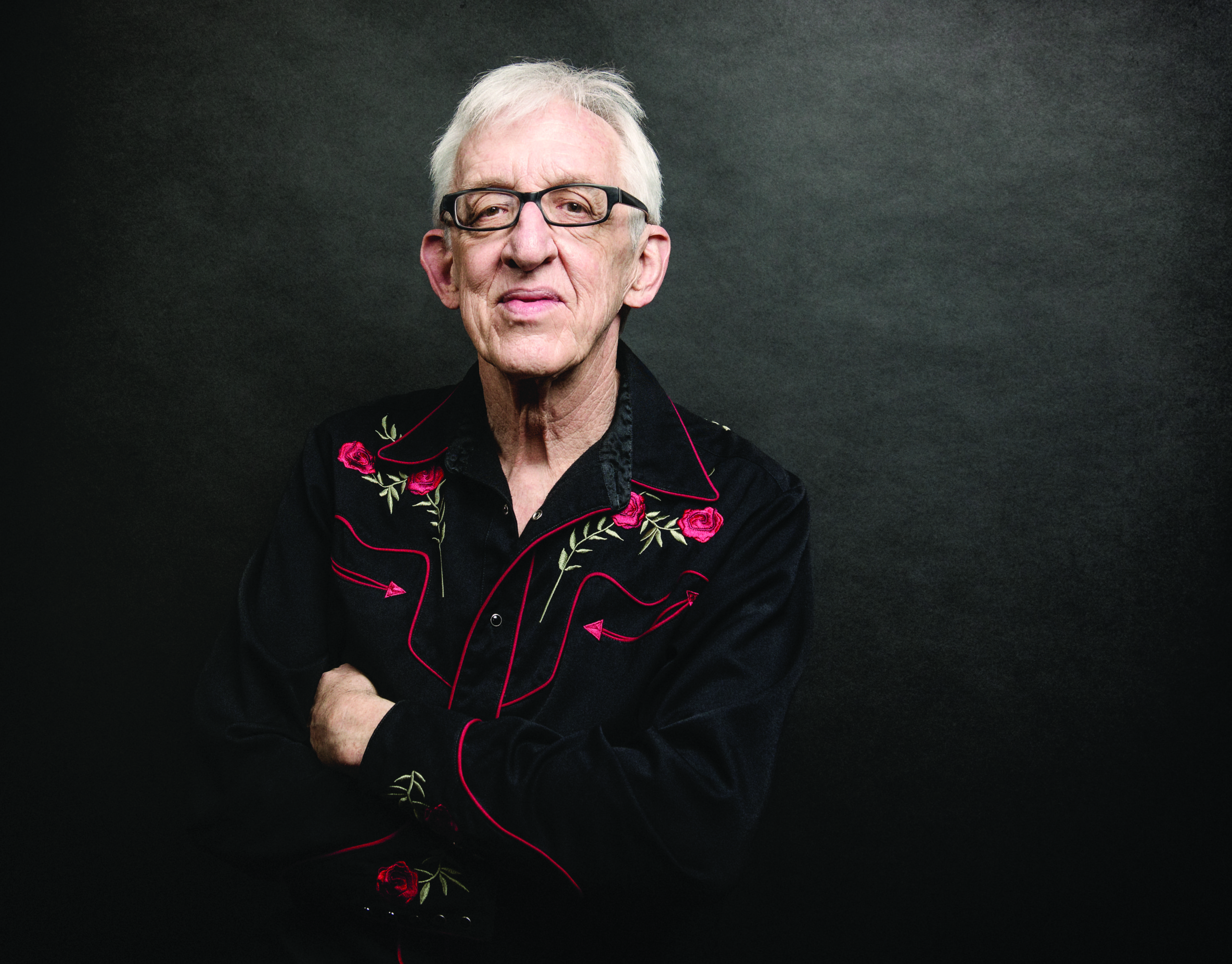
Grammy nominated guitarist, singer and songwriter Bill Kirchen first gained national recognition as a founding member of Commander Cody and his Lost Planet Airmen. They recorded seven albums for Paramount and Warner Brothers, one of which (Live From Deep in the Heart of Texas) rightfully made Rolling Stone’s list of the “100 Best Albums of All Time.” The original band established its place in the infancy of the Americana movement by being one of the first and only rock ’n’ roll bands to infuse their honky-tonk sound with pure, blood-and-guts country roots and Western swing. It’s Kirchen’s indelible guitar licks that define their top-ten charting hit, “Hot Rod Lincoln,” a song that eventually took on a post-Cody life of its own.
He has released a dozen CDs under his own name, and recorded and/or played guitar live with a who’s who of Americana and Roots Rock ‘N’ Roll, among them Gene Vincent, Link Wray, Bo Diddley, Hazel Dickens, Jimmie Dale Gilmore, Bob Weir, Phil Lesh, Narada Michael Walden, Doug Sahm, Hoyt Axton, Emmylou Harris, Maria Muldaur, Dan Hicks, Nick Lowe and Elvis Costello.
Before Bill Kirchen ever picked up a Telecaster he was a classical trombonist. That’s what he was studying as a teenager at Interlochen Center for the Arts in the early 60’s when he first fell for the guitar, in part due to the blossoming “folk scare” [his words] and in part thanks to his guitar-playing cabin counselor, Dave Siglin (founder of The Ark in Bill’s hometown Ann Arbor, Michigan). Just turned 16, Bill rescued his mom’s old banjo from the attic, got a copy of Pete Seeger’s How to Play the 5-String Banjo book and hitch-hiked to the 1964 Newport Folk Festival. Kirchen: “I witnessed stuff that knocked me out – Lightnin’ Hopkins, the Kweskin Jug Band, Son House, Johnny Cash, the Staples Singers, my original guitar hero Mississippi John Hurt. The top of my head flipped open and it’s never shut. It ruined me for normal work.” His strikingly powerful Dylan covers are staples of the live show.
Bill still keeps up an intense international touring schedule, recording and playing 200+ days a year.
His latest recording Transatlanticana, released in North America on Red House Records, went immediately onto the Americana Top 40 Radio chart and stayed for 5 months, cracking the Top 10 in 2016.
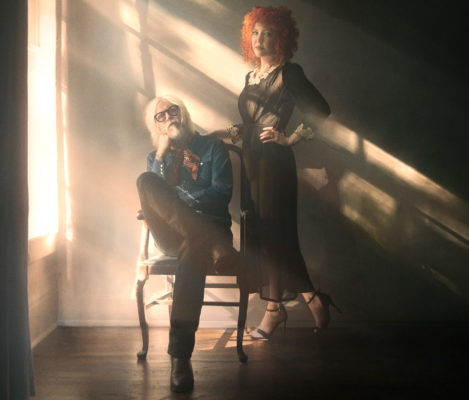
The Mastersons are singer-songwriters/multi-instrumentalists Chris Masterson and Eleanor Whitmore. When they’re not touring the world as valued longtime members of Steve Earle’s band the Dukes, the musical and marital twosome make inspired albums of their own emotionally vivid, deeply humanistic songs. The duo’s fourth set of original compositions is the appropriately titled NO TIME FOR LOVE SONGS, out March 6, 2019 on Red House Records.
The Mastersons, who now call Los Angeles home after stints in Austin, Brooklyn and Terlingua, Texas; recorded NO TIME FOR LOVE SONGS at L.A.’s legendary Sunset Sound Recorders with Shooter Jennings. The album was engineered and mixed by five-time Grammy Award-winning engineer, Ryan Freeland. Shooter had recruited The Mastersons to play on his albums Family Man (2012) and The Other Life (2013), and they’d recently reunited to work on Tanya Tucker’s acclaimed comeback album While I’m Livin‘, which Jennings co-produced with Brandi Carlile.
“I’ve known Chris and Eleanor since about 2010, and they’re unbelievable musicians and lifetime friends,” states longtime admirer Jennings. “They were perfect for Tanya’s record, and right after that, they asked me to produce NO TIME FOR LOVE SONGS. Their take on music and singing and instrumentation is so original, and I knew that I’d be getting something great out of the experience, just by being there. They both bring so much to the table as musicians, and they sing so beautifully together, and they write these intricate, beautiful songs. I just love working with them.”
“We were reminded of what a great musician and collaborator he was,” Eleanor notes. “After recording with Shooter at Sunset Sound on Tanya’s album, we decided that that’s exactly where we needed to make this record.”
“I do think geography comes into play when making records, and I think this record does have a Southern California feel to it,” Chris adds. “I don’t know if that’s because we move a little slower than when we lived on the east coast, or if it’s just where we are in our lives. It also doesn’t hurt to live in a city where so many talented people live. We have an amazing community of friends and collaborators that helped shape this album.”
Those collaborators include Eleanor’s sister Bonnie Whitmore, a notable songwriter and recording artist in her own right, who sang and played bass on the NO TIME FOR LOVE SONGS sessions, with bassist/keyboardist Tyler Chester (Andrew Bird, Sara Watkins, Madison Cunningham) and drummer Mark Stepro (Butch Walker, Ben Kweller, Jakob Dylan) rounding out the studio band. Longtime friend Aaron Lee Tasjan added background vocals on two songs.
NO TIME FOR LOVE SONGS explores the emotional challenges of a morally compromised era, and reflects the experiences that the pair has accumulated in their travels. Those experiences helped to inspire the big-hearted songcraft of such compelling new tunes as “Spellbound,” “Circle the Sun,” “Eyes Open Wide,” “The Silver Line,” “There Is A Song to Sing” and the album’s poignant title track, which showcase the Mastersons’ organic harmonies, stirring melodies and insightful lyrics, which consistently offer clear-eyed optimism in the face of loss and discouragement.
“We’ve had a lot to write about over the past three years,” says Eleanor. “After the 2016 election, we felt a profound sense of loss, not only for our loved ones but for our country. We felt a shift away from decency and kindness, towards ugliness. We’ve traded truth, reason, justice, journalism, facts and revering the Constitution for utter chaos.”
Chris and Eleanor’s new songs are also partially influenced by the loss of several people close to them, including Chris’ father, who passed away just after the release of the Mastersons’ 2014 album Good Luck Charm; friend and fellow musician Chris Porter; Austin musician and producer George Reiff, who played extensively with the Mastersons and produced their 2017 album Transient Lullaby. The pair also recently lost Dukes bassist Kelley Looney, with whom they toured and recorded for the past decade.
“The changes in our country and in the world make us long for the people we’ve lost along the way,” adds Chris. “Only by cataloging and acknowledging loss and grief can we move forward with gratitude for what we have.”
With NO TIME FOR LOVE SONGS the duo also celebrates the tenth anniversary of their partnership and continue their creative journey, crafting a collection of songs that could easily serve as the soundtrack to our lives—or at least one version of it.
Prior to launching their recording partnership, Chris played with Son Volt, Jack Ingram and others, while Eleanor lent her talents to projects by Regina Spektor and Angus & Julia Stone. In 2008, Chris stepped out with his self-released solo album The Late Great Chris Masterson, while Eleanor made her solo move with the D.I.Y. effort Airplanes. In 2012, they released their first collaborative effort, Birds Fly South. That album won widespread critical acclaim, with Esquire magazine designating the Mastersons as one of the “Bands You Need To Know Right Now.” Two years later, they followed up their debut with Good Luck Charm, which the Austin Chronicle praised for the duo’s “spunky wit and rare emotional maturity.” Good Luck Charm earned the Mastersons slots on NPR’s Mountain Stage and at high-profile festivals around the world. 2017’s Transient Lullaby explored new musical and lyrical territory, demonstrating how much the pair’s songwriting and performing skills had evolved with time, travel and experience.
“We shall not cease from exploration, and the end of all our exploring will be to arrive where we started and know the place for the first time.” – T.S. Eliot
“There’s only two kinds of music – ‘the Star Spangled Banner’ and the blues.” – Willie Nelson, quoting renowned fiddler Johnny Gimble
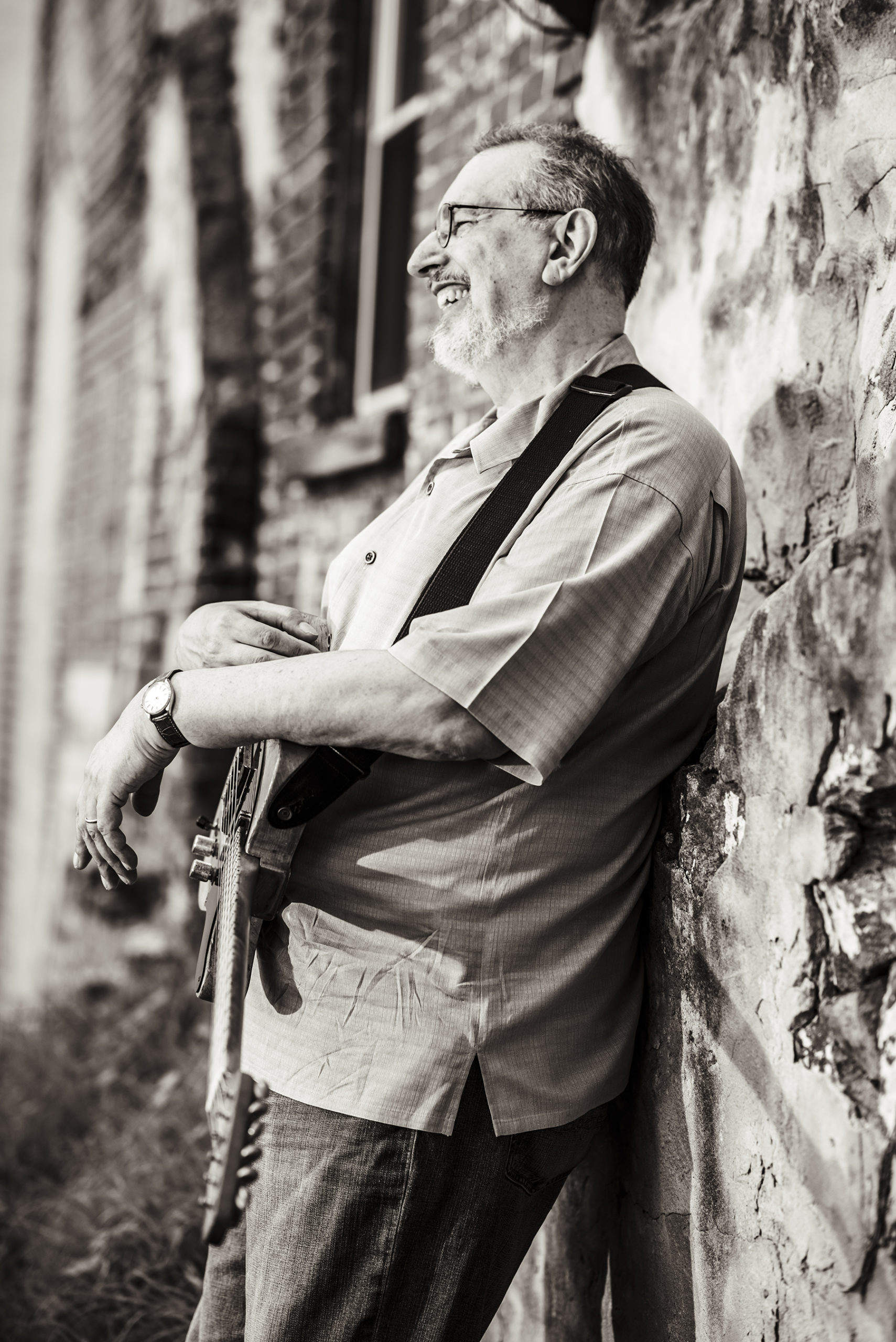
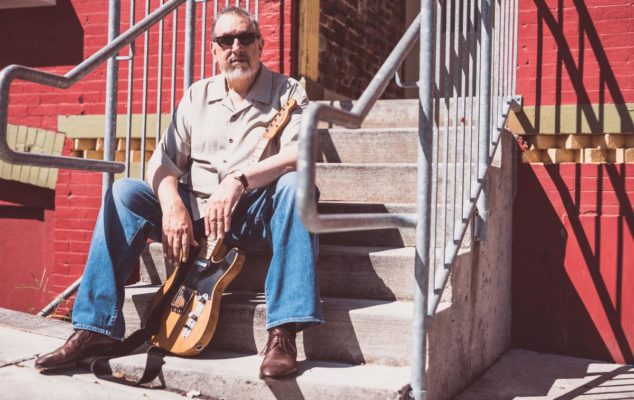
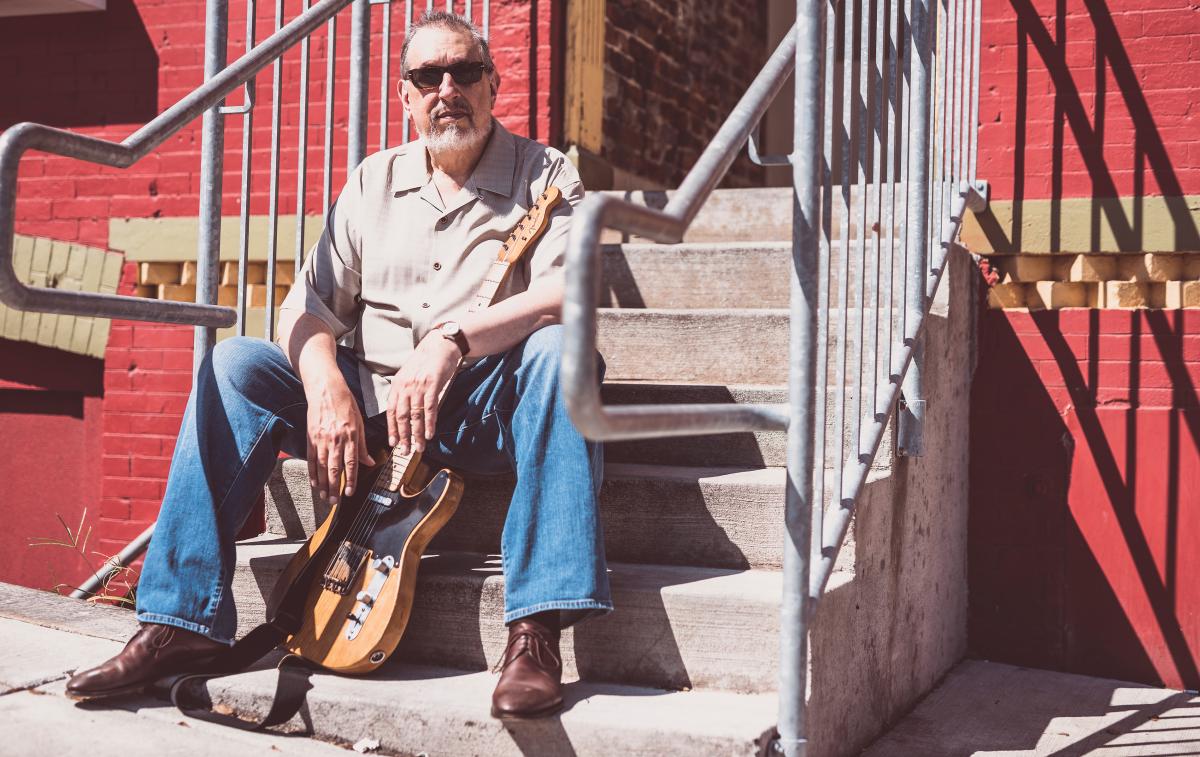
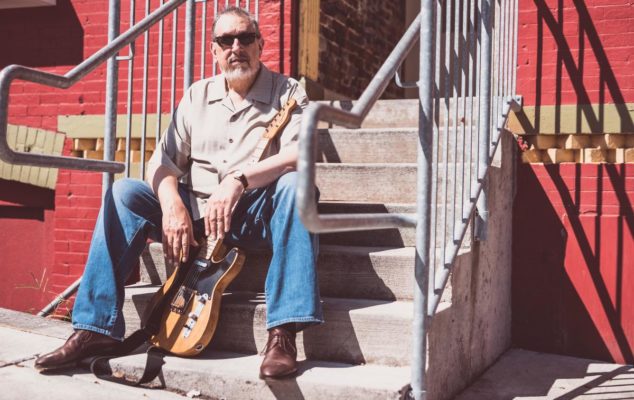
For Americana godfather David Bromberg, it all began with the blues.
His incredible journey spans five-and-a-half decades, and includes – but is not limited to – adventures with Bob Dylan, George Harrison, Jerry Garcia, and music and life lessons from seminal blues guitarist Reverend Gary Davis, who claimed the young Bromberg as a son. A musician’s musician, Bromberg’s mastery of several stringed instruments (guitar, fiddle, Dobro, mandolin), and multiple styles is legendary, leading Dr. John to declare him an American icon. In producing John Hartford’s hugely influential Aereo-Plain LP, Bromberg even co-invented a genre: Newgrass.
Add in a period of self-imposed exile from his passion (1980-2002), during which he became a renowned violin expert, and Wilmington, Delaware’s cultural ambassador; top that off with a triumphant return to music-making, and you have an amazing tale leading back to one place: the blues.
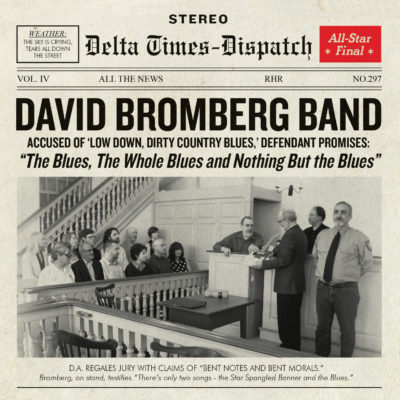
Now, with The Blues, the Whole Blues, and Nothing But the Blues, his first release for Red House Records, Bromberg and multi-Grammy-winning producer/accompanist Larry Campbell (Dylan, Levon Helm, Paul Simon) focus on the music David discovered in high school, when, circa late 50s, he was introduced to a friend’s dad’s collection of blues 78s. He’d only just taken up guitar as a means to pass the time while in bed with the measles.
“I loved those 78s so much,” says David, “I taped them on a portable reel-to-reel, so I could listen at home and learn.”
That love is evident in The Blues, the Whole Blues and Nothing But the Blues. The album is both blues primer and an opportunity to witness a master embracing this distinctly American music with passion and grace.
“There’s a lot of different types of blues on there,” Bromberg notes. “We decided to start it off with a dyed-in-the-wool blues [Robert Johnson’s “Walkin’ Blues”], but there’s also country blues [“Kentucky Blues”], and gospel-influenced blues [“Yield Not”].”
Bromberg, a onetime sideman himself, is quick to give props to his long-running road-and-studio cohorts: Butch Amiot (bass), Josh Kanusky (drums), Mark Cosgrove (guitar), Nate Grower (fiddle), and Peter Ecklund (cornet). Of producer, arranger, multi-instrumentalist, fellow Reverend Gary Davis acolyte, and old friend Larry Campbell, he says, “To use a baseball analogy, Larry is like a star at any position in the infield, because he can play them all.”
Since meeting in the early 80’s, Campbell and Bromberg had crossed paths many times. They finally worked together in Levon Helm’s studio for David’s 2013 return-to-form Only Slightly Mad. “He wanted to do a Chicago blues album then,” Larry says. “But we decided to remind folks of what he does better than anyone: the whole gamut of Americana, the full Brombergian. And we got some new fans. For this one, we went back to the blues, and made use of David’s great vocabulary in all veins of the genre.”
Bromberg’s guitar work remains a marvel; amped electric lead – both slide and fretted – and delicately powerful acoustic fingerpicking propel these songs with the same force that made him the go-to guy for acts ranging from the Eagles to Link Wray to Phoebe Snow. This is a man who can go full-on Chicago gutbucket with “You Don’t Have to Go” (a Bromberg original), then slay with the jazz inflections of Ray Charles’ “A Fool for You,” rendered here intimately solo. Although Bromberg points out he’s not the same guitarist he was before his two decades away from performing and recording. “I play differently,” he says. “I can’t play as fast, but playing slower gives me more time to think about what I’m doing.”
“He’s always able to plug into the emotion of a song,” Campbell says. “He’s incredibly inventive as a player. Sometimes restrictions can be good.”
Listeners can actually hear what the years have given Bromberg in the spartan, acoustic “Delia.” Bromberg originally covered this traditional nugget on his 1972 self-titled debut – a live, solo rendition with a spoken-word break. The new version features Campbell and Bromberg in the studio, revisiting Bromberg’s live arrangement from their occasional duo tours. It is mesmerizing, with gravitas only experience can bring. “Larry and I have played ‘Delia’ a lot,” Bromberg says. “I love what he does on it.”
Longtime fans will notice another difference: Bromberg’s voice; he’s really singing. The vocals cover a broad range: impassioned, vibrato-laden testifying; pew-jumping soul shouts; soft, confident, crooning; and, of course, his peerless raconteur chops (particularly in “You Been A Good Old Wagon”).
“When I first started,” Bromberg says, “singing was something I did between guitar solos. But during the period I did so little performing, I took some voice lessons, and now, I know more what I’m doing. I love singing now. Love it.”
Larry Campbell was impressed at the newfound vocal chops, too. “He is a better vocalist than ever,” he says. “He’s strong, and present. None of the songs took more than three takes. And he was able to take the old folk song ‘900 Miles’ [a “railroad song” made famous by Odetta and Woody Guthrie], and turn it into an electric blues that’s a real high point of the album for me.”
Although he remains the proprietor of the beloved David Bromberg Fine Violins in Wilmington, Delaware – “I love my shop,” he says – Bromberg makes time to tour with his quintet, and he’s already included every song in his live repertoire (save “Yield Not,” which requires a choir), from The Blues, the Whole Blues and Nothing But the Blues. As ever, he brings his characteristic devotional intensity to the music, invigorating his surprise third act with the same passion he felt as a teen, spinning those blues 78s, just before the road called.
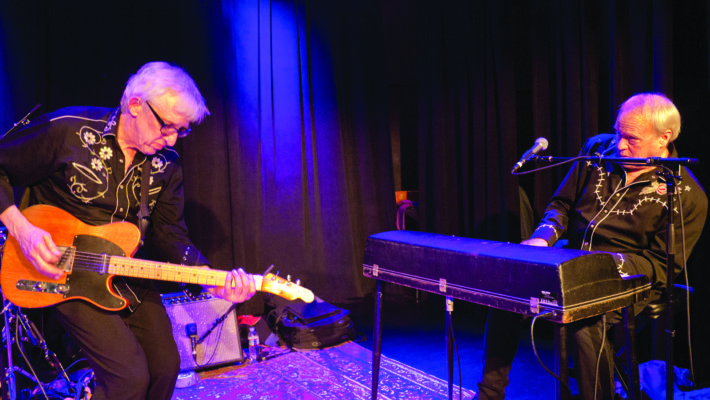
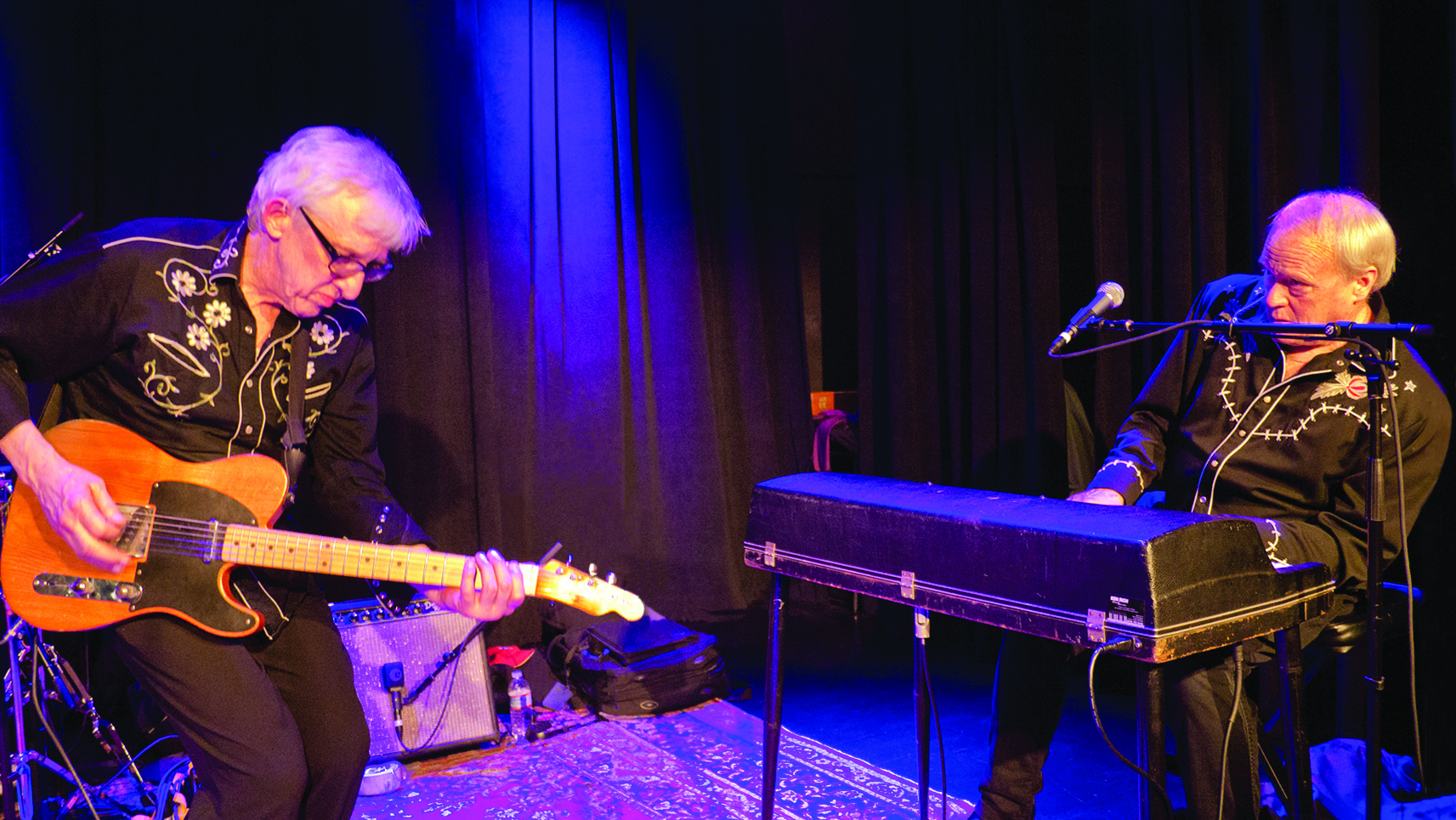
Bill Kirchen and Austin de Lone team up for a hands-across-the-Atlantic collection with their new studio album, Transatlanticana. This long-overdue release unites the pioneers of two major musical movements: Kirchen co-founded the original “Americana” band, Commander Cody and his Lost Planet Airmen, and his trademark Telecaster licks drove their hit “Hot Rod Lincoln” into the Top 10 in 1972. De Lone dropped out of Harvard to start Eggs Over Easy, moving to London and recording with Jimi Hendrix’s producer/manager and The Animals’ bass player Chas Chandler in 1970. The Eggs are the progenitors of British pub rock, the first link in the chain to punk rock, new wave and beyond. Backed by both their all-star British and American bands, Transatlanticana finds Kirchen and de Lone trading songwriting credits and lead vocals on this soulful and rocking collection. They kick it off with the timely “Hounds of the Bakersfield,” a tribute to the late Merle Haggard and the Bakersfield, CA sound.
Kirchen and de Lone cut the album in Austin and London, capturing on disc the best of their 30-year collaboration. Kirchen is Austin-based; de Lone is in the San Francisco Bay Area, but both artists have longtime ties with the UK scene: Kirchen has toured as a guitarist with Nick Lowe and put out three albums on UK label Proper Records; de Lone has toured as keyboard player for Lowe and Elvis Costello and put out his first solo album on UK label Demon Records.
They first collaborated in the mid-1970s, writing together as The Moonlighters: “We sent Nick Lowe a bunch of songs for Rockpile, but unbeknownst to us they had decided to break up,” Kirchen says. What de Lone got back was a letter from Lowe that began, “Dear hero o’ mine. There’s not many of us left…” Lowe then offered to produce them in London, and the resulting Moonlighters album, Rush Hour, came out in 1983 on the Edsel label. Since then, Bill and Austin have teamed up with with Lowe and Costello many times: de Lone has worked with Lowe, Paul Carrack and Costello on several tours and Kirchen held the guitar chair for Lowe’s critically acclaimed Impossible Bird disc and tour. In 2008, Costello borrowed the title cut from Kirchen’s album Hammer Of The Honky-Tonk Gods for his band name at the Hardly Strictly Bluegrass Festival in San Francisco featuring de Lone, Kirchen, Emmylou Harris, Gillian Welsh and Jim Lauderdale.
The songs of Transatlanticana represent the core elements of Americana music – R&B, country, rock and even a gospel track. Butch Hancock duets his song “Oxblood” with Kirchen. It’s a meaty slice of Texas boogie recorded with the Austin contingent. “I guess they used to color concrete with ox blood; I thought it was just an old shoe polish color” says Kirchen.
Spirited and served up with wit and humor, Transatlanticana is a gem –- a ringside seat to these transatlantic sessions by a group of like-minded, top-of-their-game players enjoying each other’s musical company. For tour dates and more info go to www.billkirchen.com.
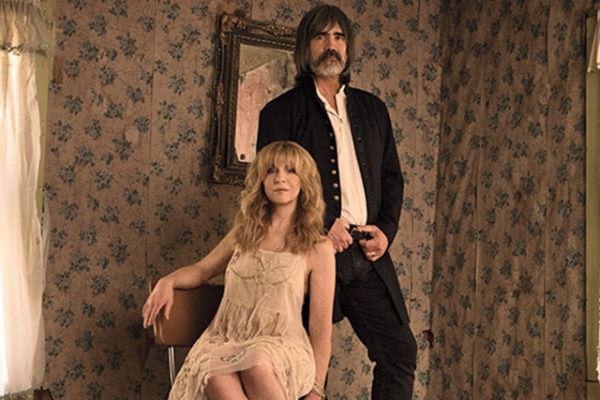
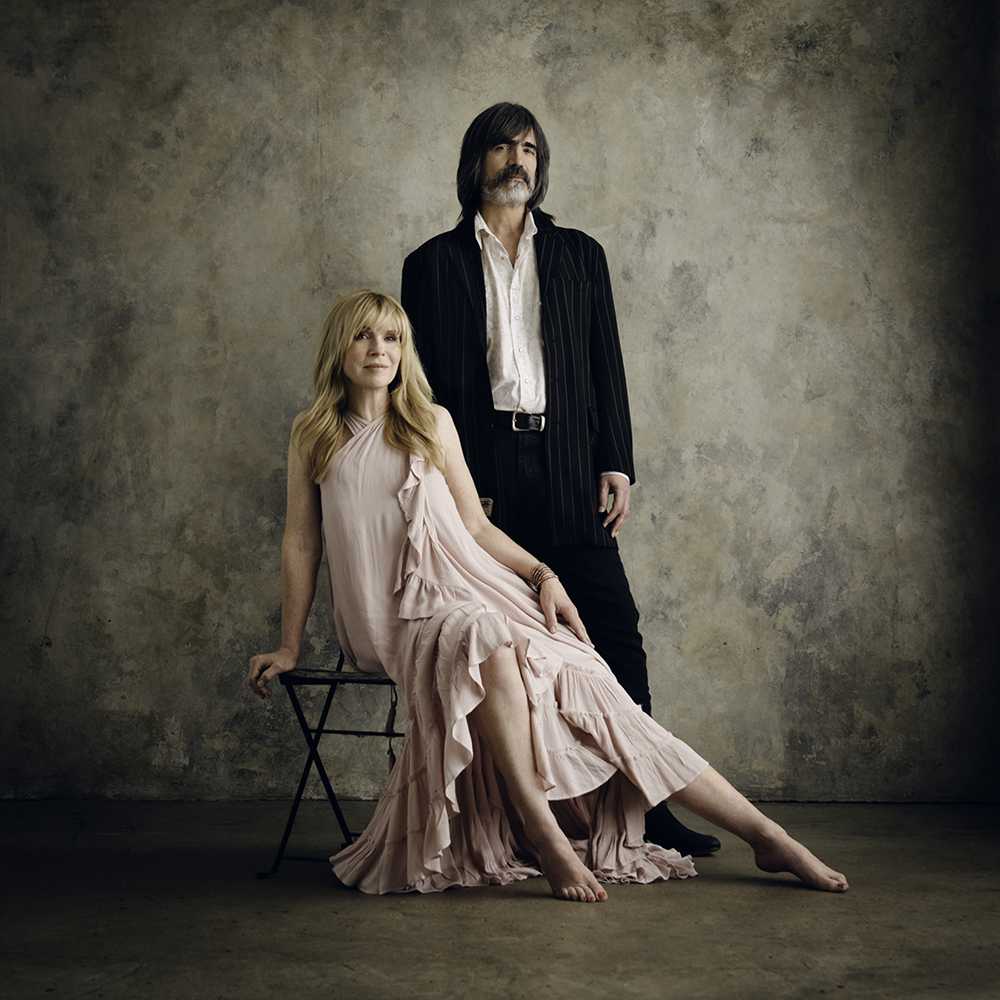
Multi-instrumentalist-singer-songwriter Larry Campbell and singer-guitarist Teresa Williams’ acclaimed eponymous 2015 debut, released after seven years of playing in Levon Helm’s band – and frequent guesting with Phil Lesh, Little Feat, Jorma Kaukonen and Jack Casady, brought to the stage the crackling creative energy of a decades-long offstage union. A whirlwind of touring and promo followed, and when the dust cleared, the duo was ready to do it all again. Which brings us to Contraband Love, a riskier slice of Americana.
Larry, who produced Contraband Love, says, “I wanted this record to be a progression, bigger than the first one. That’s all I knew. I wanted the songwriting to be deeper, the arrangements more interesting, the performances more dynamic. Specifically how to get there, I didn’t know. I did know the songs were different. The subject matter was darker than anything else I’ve written.”
“More painful!” Teresa says, and laughs. “Yeah,” Larry says with a smile. “I’m proud of our debut, but I felt like the songs were lighter than what I’m capable of doing. As a songwriter, I aspire to a sense of uniqueness: this is a great song and it could only have been written by me. I want to get there. It’s a journey, a goal, a pursuit. The mechanics of that pursuit are figuring out what you need to do to surpass your last body of work.”
Although it was not his conscious intent, three of the eight tunes Campbell penned for Contraband Love deal either obliquely or directly with various emotions surrounding addiction. For the blues rocking “Three Days in A Row,” he authoritatively delves into the crucial first seventy-two hours directly following an addict going cold turkey in an effort to get clean. “I was thinking about the things I’ve quit in my life,” he says. “The last time was cigarettes. I remembered the dreams I had in withdrawal.” Vintage-sounding country nugget “Save Me from Myself” (featuring Little Feat’s Bill Payne on piano) explores a troubled soul’s heartrending knowledge that they are hard to love. “I’ve certainly felt both sides of that situation,” Larry says, “and observed it many times.” Delicate waltz “Contraband Love,” a captivating vocal showcase for Teresa, takes on the other side of the story, when a parent (or spouse, or friend, etc.) realizes their only recourse for dealing with an addict is merely to stand “with arms wide open.” Of this remarkable piece, Larry says, “That melody would not leave me alone. It’s one of the more unique songs I’ve ever written.”
“Larry’s writing this stuff,” Teresa says, “and we’re naming off all the people in our lives who are currently going through this (addiction and loss) with a loved one, not to mention the family members and friends we’ve lost in the past from this affliction. That may have driven him. One of my oldest, most intimate friends – a functioning substance abuser since he was a teenager – died on the street in New York while we were in the studio. We dedicated the album to him.”
“The stuff of loss resonates,” Larry says.
Musically, Contraband Love revisits the Americana textures of the duo’s debut, deftly channeling Memphis, Chicago, the Delta, and Appalachia with equal assurance. Larry’s world-famous guitar work – scorching here, funky there, stellar always – punctuates the proceedings with riveting emotion, often like a third voice weighing in on a myriad of emotional states.
The barnburner leadoff single, “Hit and Run Driver,” is a harrowing-but-rocking survivor’s tale, showcasing longtime drummer and engineer/mixer Justin Guip.
To leaven out the darker tunes, Larry and Teresa added a recording of the reassuring Carl Perkins country classic “Turn Around,” with old friend and mentor Levon Helm, captured on drums shortly before his passing. Jaunty folk blues “My Sweetie Went Away,” features new bass player Jesse Murphy doubling on tuba for a distinctly New Orleans feel; traditional gutbucket country blues “Delta Slide,” is spiced with irresistible, harmonized yodeling.
“Stylistically, there’s a lot of different things going on,” Larry says. “So the sequencing was difficult. But I think I got it right.”
Indeed. Contraband Love stands as a new, bolder chapter in a story that arose triumphantly joyous from loss. “When Levon died,” Teresa says, “that put Larry into high gear. He’d already had his head set about making a record, but then it felt like a train took off! We just said, ‘life is short.’”
Another motivator for creating Contraband Love was the experience of taking the Larry Campbell and Teresa Williams show out on the road, as a duo, with a band, and opening for Jackson Browne (who loaned them his band). “It felt fabulous and fantastic,” Larry says. “After I met Teresa (in the mid 80s), I’d be out with Bob Dylan [Larry toured with the Nobel laureate for eight years] and something was missing. I gotta gig, and it’s what I always wanted, but it’s not my stuff, and it’s not with the person I want to be with. And then, when we got a taste of being a performing duo at the Rambles with Levon, the idea that we could expand on that was completely alluring.
“So virtually everything we’ve done musically since I left Dylan’s band, we’ve been asked to do together: Levon, Phil and Friends, Jorma and Jack, Little Feat; we’ve done it all as a unit, a duo, and it’s great. It’s rewarding on a lot of levels. The way I see it, when Teresa and I are together, doing our material for people who come to see us, then everything I ever wanted out of life is pretty well complete.”
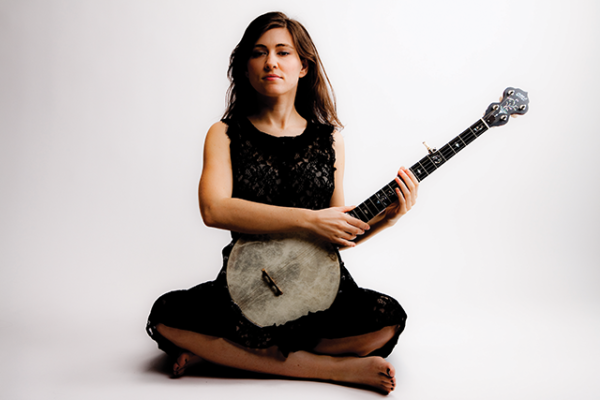
Ruth Moody is a two-time Juno Award winning singer-songwriter and multi-instrumentalist from Winnipeg, Manitoba. Founding member of the internationally renowned, Billboard-charting trio The Wailin’ Jennys and former lead singer of the Canadian roots band Scruj MacDuhk (which would later become The Duhks), she has performed in sold-out venues around the world, made numerous critically-acclaimed albums, received five Juno Award nominations and has appeared more than a dozen times on the national radio show A Prairie Home Companion.
Although best known for her work with The Wailin’ Jennys, Ruth is an artist of exceptional depth and grace in her own right. Critics have lauded her ethereal vocals, impressive multi-instrumentalism and her talent as a songwriter. Written with a maturity and wisdom that belies her age, her songs are timeless, universal, and carefully crafted, all sung with an intimacy and honesty that is unmistakably her own.
Ruth has been recognized by the USA Songwriting Competition and the International Songwriting Competition for several of her compositions, including “One Voice,” which has gone on to be a signature song for The Wailin’ Jennys. It has been covered by countless artists and sung in concert halls, churches and schools throughout the world. Her song “Storm Comin,’” from The Jennys’ latest album Bright Morning Stars, recently won first place in the gospel category at the International Songwriting Competition.
In 2010, Red House Records released Ruth’s first solo album, The Garden, to rave reviews. Produced by David Travers-Smith, it was nominated for a Juno Award, a Western Canadian Music Award and three Canadian Folk Music Awards. Its title track was the fourth most played song of 2010 on North American folk radio. Once again teaming up with David Travers-Smith, Ruth followed up with These Wilder Things, a remarkable record featuring her touring band and special guest appearances by Mark Knopfler, Jerry Douglas, Crooked Still’s Aoife O’Donovan and The Wailin’ Jennys.
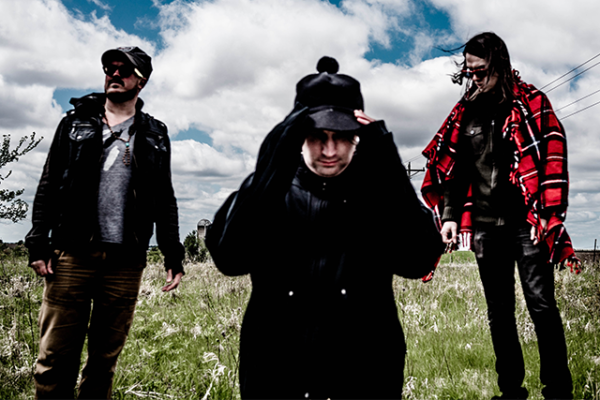
The Midwest is to The Pines what Monument Valley was to filmmaker John Ford. The flat, endless expanses of the band’s native Iowa are at once the settings of, characters in, and muse behind the songs on their new album, Above The Prairie. Songwriters David Huckfelt and Benson Ramsey—who along with Benson’s brother Alex form the band’s touring trio format—craft their music with a filmmaker’s keen eye for detail and framing, blending celestial, ethereal atmospherics with rich, warm vocals and earthy acoustic instruments. It’s a gripping brew that demands your total presence, transporting you into vividly painted musical and lyrical snapshots.
“Almost all of the songs on the album are somewhere between the first and third take,” says Huckfelt. “It was a matter of capturing raw performances and preserving that spirit, of not losing the energy of the songs in the recording of them.”
“It’s kind of a risky way to work,” adds Ramsey, “but we went back to Iowa and just did it in three days and that was pretty much it. It’s almost like a photograph.”
Much like the photograph on the album’s cover—which depicts a stunning nighttime landscape of wide-open grassland spotted with crumbling, abandoned cabins beneath an infinitely expansive galaxy of stars—the songs on Above The Prairie at once evoke the vastness of space, the ceaseless passage of time, the beauty of Earth, and the inescapable loneliness of inhabiting it.
In some ways, Above The Prairie may sound like an attempt to reconnect with the past, to capture the feel of the land and the communities of their youths, but the songs seem rather to reflect on the impossibility of such an endeavor in the modern age.
“People say you can’t step in the same river twice,” says Huckfelt, “but you can’t even step in the same river once, because change is the only constant. Home isn’t the same home you remember, and you don’t get a minute to catch your breath to think about it.”
It’s a sentiment that pervades the album and comes vividly to life on the record’s closing track, “Time Dreams,” a poem written and read by the famed Native American activist/poet John Trudell and set to music by The Pines.
“He articulates some profound truths that resonate throughout the record,” says Ramsey. “There’s just this kind of disconnection from the Earth that we experience. There’s this loneliness about it, and there’s this truth that’s sort of undeniable but that no one really wants to talk about.”
“We both grew up in Iowa in very sparse, rural communities,” adds Huckfelt, “and we watched our towns kind of dissipate and the vitality go away, but at the same time also remain in certain hidden, unexpected ways.”
Above The Prairie explores those hidden places, from “Lost Nation”—a synth-driven instrumental penned by Alex and named after an Iowa town with a population of less than 500—to “Villisca,” another soundscape featuring Uilleann pipes and titled for an Iowa community that lives under the ominous cloud of an infamous 1912 axe murder.
“There’s a remoteness to the record and the feelings,” says Huckfelt. “These communities are tiny, but they’re out there. There are homes with people and lives being lived there, and the towns we grew up in were not so different.”
Finding somewhere to feel at home is a recurring theme on the record. On “Where Something Wild Still Grows,” Huckfelt longs for a place “through the trees, past the city, beyond the glow” where he can be at ease, while “Sleepy Hollow” finds Ramsey contemplating our treatment of each other and our planet as he looks into the abyss of the night sky, and “Come What Is” (which features Ryan Young of Trampled By Turtles on fiddle) tries to find contentment in the present moment.
At the core of it all, though, is the realization that if this life is nothing more than a fleeting journey on a tiny speck of a planet floating among the stars of an infinite universe, then there’s no more important act than to love each other and the Earth. When Ramsey sings “hold, hold on to me” in opener “Aerial Ocean”—which brings together lush, sweeping slide guitar with gently plucked guitar and banjo—it’s repeated in the intimate, reverent tone of a prayer. The narrator might be singing to a person, or he might be singing to the prairie. In the case of The Pines, he’s probably singing to them both.

The daughter of two preacher’s kids, Pieta Brown’s early upbringing in Iowa was in a rural outpost with no furnace, running water, or TV. There, she was exposed to traditional and rural folk music through her father, Greg Brown, the now beloved Midwestern folk singer. Later, while living with her mother in Birmingham, Alabama during her formative years, Pieta drew on and expanded these influences and began writing poems and composing instrumental songs on piano. By the time she left home at 18 she had lived in at least 19 different houses and apartments between Iowa and Alabama.
In her early 20’s, after experiencing what she describes as “the songs calling”, Pieta started experimenting with the banjo and eventually picked up a 1930’s Maybell arch-top guitar during a visit to her father’s place and never looked back. Emerging from a disjointed and distinctly ‘bohemian’ upbringing, Pieta began performing live and making independent recordings soon after teaching herself how to play guitar. “I grew up around a lot of musicians and artists living on the fringe, and have always felt most at home among them,” Pieta says.
Making her first recording with (now) frequent collaborator, guitar-ace and Grammy-Award winning Indie/Roots/Americana Producer, Bo Ramsey, started Pieta down the path of making recordings based around live performances. Her first album (self-titled), recorded and released independently in 2002, was recorded live in 3 days to 2-inch tape. “My first experience in the studio really steered me down a certain road,” Pieta says. “I was so shy about singing my songs then, and barely understood how to sing into a microphone, in spite of all the live music I had grown up around. Still, I was feverishly driven to deliver these songs in my heart. Right away, during that first recording session, as we were playing live and recording to tape as it went down, I experienced the magic of hooking all the way in with the song in the moment…playing the songs, with those players, playing those instruments, in that room, at that time. And ever since, I’ve been hooked on that magic feeling.”
Continually revealing new layers as both a songwriter and performer, Pieta is being recognized as one of modern Americana’s true gems. In just the last 4 years Pieta has released two critically acclaimed albums, with much attention being paid not only to her distinct sound and style, but also the power of her singing and songwriting. Since releasing One and All (2010) and Mercury (2011), Pieta has toured North America with Mark Knopfler, and toured various regions of the U.S., Australia and Canada with John Prine, Amos Lee, Brandi Carlisle, JJ Cale, Ani Difranco, Mavis Staples, and Calexico among others. She has made guest appearances on Mason Jennings‘ album, Always Been, two of Calexico‘s recent albums (Algiers and Carried To Dust), including singing on the song “Fortune Teller” (which Pieta penned with Joey Burns),as well as appearing on Amos Lee‘s album, Mission Bell (2012). Pieta’s father, Greg Brown, recorded one of her songs, Remember The Sun, on his album Freak Flag (2011), and invited her to sing and play banjo on his latest release, Hymns For What Is Left (2012). One of Pieta’s all time favorite singers, Iris Dement, has been singing Pieta’s song “Faller” (from One and All) in her live shows. Pieta’s song I Don’t Mind (from Mercury) was also recently translated and released (as Het Deert Me Niet) by Belgian pop songtress Eva De Roovere.
Now with Paradise Outlaw, Pieta delivers her most emotionally resonant compositions, and some of her most expressive performances, to date. Produced by Pieta, with frequent collaborator and partner, Bo Ramsey, Paradise Outlaw was recorded in four days at Bon Iver mastermind Justin Vernon’s April Base studio in Wisconsin with a supporting cast that includes Vernon, Amos Lee, Brown’s troubadour father, Greg Brown and various members of an experimental group of players she calls the Sawdust Collective.
Showcasing Brown’s established strengths while staking out fresh new creative territory, Brown says of the songs, “On my last album, I was recording near Nashville with top-call studio musicians who I hadn’t worked with before, and exploring the idea of craft and trying to hone in on more classic forms than I had previously.” She adds, “Paradise Outlaw came from a radically different place. I was thinking a lot about freedom, experimentation, poetry, folk songs, bending forms and voices. I also wrote and delivered half the songs on the banjo, which was completely new for me.”
Paradise Outlaw features twelve originals by Brown plus a co-write and duet with soulster Amos Lee (“Do You Know”) and a cover of Mark Knopfler’s“Before Gas And TV.”
Brown continues, “Growing up around many musicians and artists, often living on the fringe, I have always felt most at home among them. And that’s where I made this recording. Surrounded by friends in an underground Mid-western goldmine.”
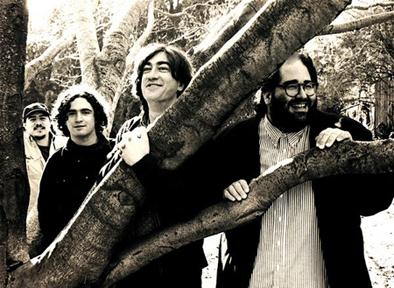
In 1986 The New Dylans arrived on the scene with a critically acclaimed debut EP which was placed on the Top 5 list of the Village Voice’s famed year-end “Pazz and Jop” poll. REM’s frontman Michael Stipe declared the record one of his top 3 of the year, and regular rotation on MTV. Jim Reilley (songwriter/guiarist/vocalist) and Reese Campbell (guitar/piano/songwriter/vocalist) were childhood friends who found themselves in the middle of a successful music career.
In order to facilitate their music, they inked a record deal with Red House in the early ’90s and went on to release two highly lauded records, The American Way and Warren Piece. They’re energetic folk-rock and knack for hooky lyrics took them to every corner of the country playing for a steady growing audience. The New Dylans found themselves sharing the stage with The Band, Townes Van Zandt, Shawn Colvin, The Fleshtones, Superdrag, and even their old friend The 10,000 Maniacs.
Both Red House releases garnered glowing reviews in Rolling Stone, Pulse, Spin, Mojo, and Dirty Linen as well as appearances on Nationally syndicated radio shows like The World Cafe, Acoustic Cafe, and National Public Radio’s All Things Considered.
Today The New Dylans co-founder Reese Campbell continues to play with his band The American People in the Northeast while Jim Reilly is an acomplished songwriter and performer in the Nasville area.
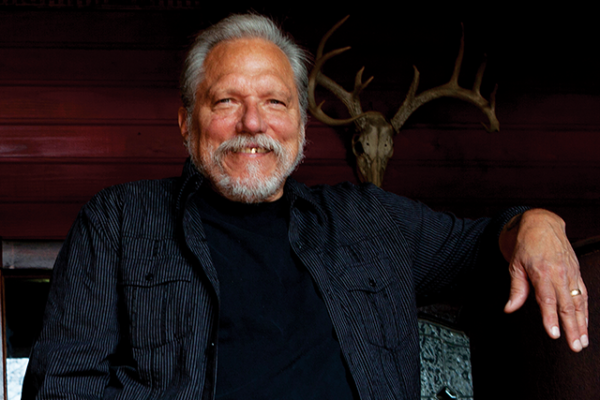
In a career that has already spanned a half-century, Jorma remains one of the most highly respected interpreters of American roots music, blues, and Americana with a history that influenced popular rock-and-roll. A member of the Rock & Roll Hall of Fame and a Grammy nominee as well as one of Rolling Stone’s “Top 100 Guitarists of All Time,” he is a founding member of two legendary bands, Jefferson Airplane and the still-touring Hot Tuna, and is recognized as one of the leading practitioners and teachers of finger-style guitar. Jorma’s renown goes far beyond his involvement creating psychedelic rock; he is a music legend and one of the finest singer-songwriters in music. He’s also an avid motorcyclist, a gallery owner (the Psylodelic Gallery, dedicated to the arts and culture of the 1960s arts) and co-owner of the Fur Peace Ranch, an Ohio-based concert venue and guitar center where Jorma conducts workshops, bringing in such guitar masters as G.E. Smith and Larry Campbell.
The 11 tracks on Ain’t In No Hurry show Jorma at the top of his game. Playing with a confidence and touch that come from a lifetime spent writing and performing, he delivers a batch of originals that already sound like classics, interspersed with soulful interpretations of songs by the Carter Family and more. He includes a weighty version of the Depression Era classic, “Brother, Can You Spare a Dime” and ends the album with a solo acoustic original number, “Seasons in the Field,” a look at the seasons of one’s life, the passing of time and the loss of youth. “You just can’t go backward. The arrow of time only goes in one direction,” says Jorma. “At this point in my life perhaps I should be in more of a hurry, but for me it’s more important that each piece fits in the right place at the right time. The songs you hear in this album cover a lot of ground for me. Some are very old, and some quite new. From where I came from to where I am today… it is all here. Music does not happen in a vacuum. The orbit of my life is constantly tangential to others and I am richer for it. I am surrounded by friends who help give voice to my dream.”
What comes through is Jorma’s ability to tell a story and the lifetime of experiences he brings to play. The DC native was a devotee of rock-and-roll in the Buddy Holly era but soon developed a love for the blues and bluegrass that were profuse in the clubs and concerts in the nation’s capitol and discovering albums by the Carter Family and the Louvin Brothers. This raw, American music inspired him to take up the guitar and make that kind of music himself. Soon he met fellow DC musician Jack Casady, the younger brother of a friend and a guitar player in his own right. Though they could not have known it, they were beginning a musical partnership that has continued for over 50 years. Jorma graduated from high school and headed off for Antioch College in Ohio, where he met Ian Buchanan, who introduced him to the elaborate fingerstyle fretwork of the Rev. Gary Davis. A work-study program in New York introduced the increasingly skilled guitarist to that city’s burgeoning folk-blues-bluegrass scene and many of its players. After a break from college and travel overseas, Jorma returned to the States and spent the summer of 1962 working in a service station. He spent his weekends going to the many Bluegrass festivals that existed in the area at the time, seeing Bill Monroe, Flatt and Scruggs, The Foggy Mountain Boys, The Country Gentlemen and more. That fall he enrolled at the University of Santa Clara, 50 miles south of San Francisco. “The first weekend I was there I played a hoot at the Folk Theater in San Jose. That night, I met Janis Joplin, Richmond Talbott, Jerry Garcia, Pig Pen, Paul Kantner and a host of others whose names would be more recognizable in the coming years,” Jorma recalls. “Paul would introduce me to the gaggle of characters who would become Jefferson Airplane, Jack Casady would join us from D.C. and the rest truly became history. I owe that cast of luminous characters a huge debt of gratitude for starting my train rolling in such a momentous way.”
While Jorma was in the Jefferson Airplane the band performed at three of the most famous American rock festivals of the 1960s: Monterey (1967), Woodstock (1969) and Altamont (1969) as well as headlining the first Isle of Wight Festival in the UK in 1968. Jorma left the band during their heyday, forming Hot Tuna with Jack Casady to play stripped down acoustic blues and folk music. “As a result, I have been more than a decently rewarded folk musician for more than half a century,” he says. In addition to his work with Hot Tuna, Jorma has recorded more than a dozen solo albums on major labels beginning with 1974’s Quah and continuing with his recent acoustic releases on Red House Records—2007’s Stars in My Crown and 2009’s River of Time, produced by Larry Campbell and featuring Levon Helm.
“I never really thought about it when I was younger, but my choice of songs was always an effort to tell my story,” he explains. “Sometimes they were about things that happened, and sometimes they were about things that never happened, sometimes they were about things I wanted to happen, sometimes they were about things I feared would happen… sometimes… there was always a sometimes. Learning to play guitar was the gift that enabled me to set the story to music.”
Jorma Kaukonen is constantly looking to take his musical horizons further still, always moving forward, always infusing his classic sound with fresh insights and the depth that comes with a lifetime as a performer.
-->